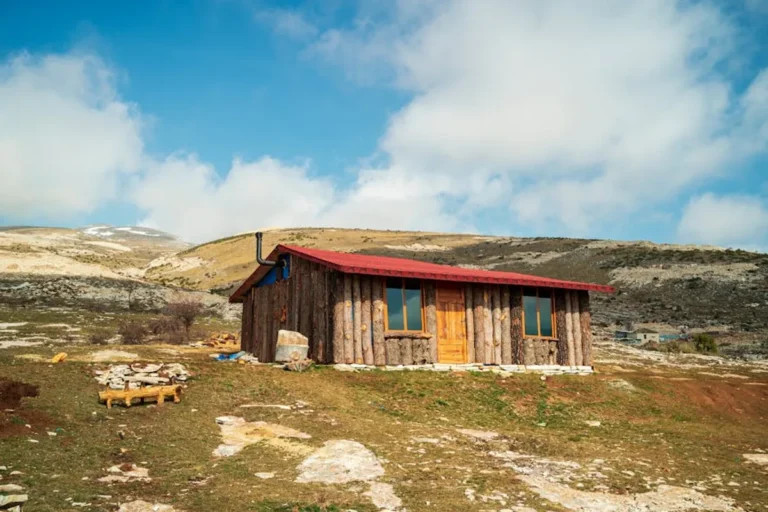

Selecting the optimal wood for a building project is a foundational decision impacting structural integrity, aesthetic outcome, long-term durability, and overall budget. The vast array of wood types, each with distinct properties, necessitates a clear understanding of how material characteristics align with specific application demands. From load-bearing structural elements to finely crafted interior finishes, the right wood choice can enhance performance and value, while a misstep can lead to premature wear, maintenance issues, or aesthetic compromises. This guide outlines key considerations and profiles prominent wood types, detailing their suitability for various construction applications.
Key Considerations for Wood Selection
Choosing the appropriate wood type involves balancing several critical factors. Project requirements, environmental conditions, and budget constraints collectively shape the decision-making process. Understanding these variables ensures the selected material performs as expected and delivers the desired aesthetic and functional longevity.
- Structural Performance: Assess the wood's strength, stiffness, and load-bearing capacity. This is paramount for framing, beams, and other structural components where safety and stability are non-negotiable. Factors like density, grain pattern, and species-specific mechanical properties play a significant role.
- Durability and Resistance: Consider the wood's natural resistance to rot, decay, insects, and moisture. For exterior applications, high natural resistance or treatability is crucial. Interior woods may prioritize stability against warping or shrinking in varying humidity.
- Workability and Finish: Evaluate how easily the wood can be cut, shaped, sanded, and fastened. Some woods are very dense and require specialized tools or pre-drilling, while others are soft and prone to denting. The wood's ability to accept stains, paints, or clear finishes also dictates its aesthetic versatility.
- Appearance and Aesthetics: Grain pattern, color, texture, and the presence of knots contribute to the wood's visual appeal. For exposed elements like flooring, cabinetry, or trim, aesthetic consistency and desired visual impact are primary drivers.
- Cost and Availability: Material cost varies significantly by species, grade, and region. Rare or imported woods will command higher prices. Availability can also influence project timelines and budget, making locally sourced, abundant options often more practical.
- Sustainability and Sourcing: Increasingly, builders and clients prioritize sustainably harvested wood. Certifications from organizations that promote responsible forest management provide assurance regarding environmental impact.
1. Douglas Fir
Douglas Fir is a widely utilized softwood, particularly prominent in North American construction. It is recognized for its impressive strength-to-weight ratio, straight grain, and relative abundance. This combination makes it a go-to choice for structural applications where robust performance is required without excessive material cost. Its yellowish-brown heartwood and lighter sapwood offer a clean, consistent appearance when finished.
Best for: Structural framing, joists, rafters, beams, plywood veneers, subflooring, heavy construction timber.
Pros: Excellent strength and stiffness, good dimensional stability, widely available, relatively affordable, accepts stains and paints well, good nail and screw holding capacity.
Cons: Moderate resistance to rot and insects without pressure treatment, can be prone to splitting if not pre-drilled for fasteners, large knots can occasionally reduce structural integrity or aesthetic appeal.
Verdict: A cost-effective, high-performance option for core structural applications where strength and stability are paramount. Its availability and workability make it a practical choice for most framing needs.
2. Southern Yellow Pine
Southern Yellow Pine (SYP) encompasses several pine species grown in the southeastern United States. It is a dense, strong softwood, often pressure-treated for exterior use due to its excellent treatability. Its distinct growth rings create a prominent grain pattern. SYP is a workhorse in residential and light commercial construction, balancing strength with affordability.
Best for: Pressure-treated decking, fencing, structural framing, subflooring, roof trusses, utility poles.
Pros: High strength and stiffness, excellent treatability for rot and insect resistance, very affordable and widely available, good fastener holding, dense and durable for a softwood.
Cons: Prone to warping, twisting, and checking if not properly dried or stored, can be difficult to work with due to hardness and resin content, requires careful finishing due to prominent grain and sap pockets.
Verdict: An economical and robust choice for structural and outdoor applications, especially when pressure-treated for enhanced durability. Its tendency to move requires careful handling and installation.
3. Western Red Cedar
Western Red Cedar is a highly prized softwood known for its natural resistance to decay, insects, and moisture, attributed to its unique cellular structure and natural oils. It features a distinctive reddish-brown color that weathers to a silvery-gray if left unfinished. Its light weight and dimensional stability make it ideal for exterior applications where exposure to the elements is a factor.
Best for: Siding, shingles, decking, fencing, outdoor furniture, trim, interior paneling, saunas.
Pros: Exceptional natural resistance to rot, decay, and insects; lightweight and easy to work with; highly dimensionally stable; distinct aromatic scent; attractive natural appearance.
Cons: Softer than many other woods, making it prone to dents and scratches; more expensive than common softwoods; requires careful finishing to maintain color or prevent graying; can be prone to tannin bleed.
Verdict: An excellent premium choice for exterior architectural elements and applications demanding natural weather resistance and aesthetic appeal. Its softness requires consideration for high-traffic or impact-prone areas.
4. Redwood
Redwood, particularly California Redwood, is another softwood renowned for its natural durability and striking reddish-brown hue. Like Western Red Cedar, it contains natural chemicals that deter insects and decay. Its straight grain and resistance to warping contribute to its appeal for demanding outdoor and interior applications where stability and beauty are paramount. Old-growth redwood is very dense and stable, while second-growth is softer.
Best for: Decking, siding, fencing, outdoor structures, garden beds, interior paneling, trim, millwork.
Pros: High natural resistance to rot, insects, and moisture; excellent dimensional stability; attractive deep reddish-brown color; easy to work with; good fire resistance.
Cons: Expensive, especially clear grades; availability is more limited than other common woods; softer than many hardwoods, susceptible to dents; can be prone to checking or splitting if not properly maintained.
Verdict: A superior choice for premium exterior projects and interior applications where natural beauty, stability, and decay resistance are top priorities, provided the budget allows.
5. White Oak
White Oak is a dense, strong hardwood with a distinctive open, coarse grain and a light to medium brown color. Its closed cellular structure makes it highly resistant to moisture and decay, a property that has historically made it a prime material for shipbuilding and outdoor furniture. It is also highly durable, resisting dents and wear.
Best for: Flooring, cabinetry, furniture, exterior applications (e.g., boat building, barrels), timber framing, architectural millwork.
Pros: Extremely durable and hard-wearing; excellent resistance to moisture and decay; attractive grain pattern; accepts stains well; good strength and stability.
Cons: More expensive than softwoods; difficult to work with due to hardness; heavy; can react with iron fasteners, causing discoloration; requires sharp tools.
Verdict: An outstanding hardwood for high-traffic interior applications and demanding exterior uses where durability, strength, and moisture resistance are critical. Its hardness makes it a long-lasting investment.
6. Red Oak
Red Oak is a widely available and popular hardwood, often chosen for its distinctive open grain pattern and reddish hue. While not as moisture-resistant as White Oak due to its more open cellular structure, it is still very strong, durable, and relatively easy to work with for a hardwood. It is a staple in residential interiors.
Best for: Flooring, cabinetry, furniture, interior trim, doors, decorative veneers.
Pros: Very strong and durable; attractive, prominent grain pattern; widely available and relatively affordable for a hardwood; accepts a wide range of finishes and stains; good workability.
Cons: Less resistant to moisture and decay than White Oak, making it unsuitable for exposed exterior use; can splinter if not cut carefully; can be heavy.
Verdict: An excellent value hardwood for interior applications where durability, aesthetic versatility, and a classic grain pattern are desired. Its widespread availability makes it a practical choice for many projects.
7. Maple
Maple, particularly Hard Maple (Sugar Maple), is a very dense and hard hardwood known for its fine, even grain and light, creamy color. It is exceptionally resistant to abrasion and impact, making it ideal for surfaces that endure heavy use. While less common for structural framing, its strength and clean appearance are valued in specific applications.
Best for: Flooring (especially gym floors), butcher blocks, cabinetry, furniture, musical instruments, interior trim, workbenches.
Pros: Extremely hard and durable; excellent resistance to abrasion and impact; fine, consistent grain; light color brightens spaces; good dimensional stability; accepts finishes well.
Cons: Can be difficult to stain evenly due to its dense, closed grain; heavy; relatively expensive; can be challenging to work with, requiring sharp tools; susceptible to burning during machining.
Verdict: A top-tier choice for applications requiring exceptional hardness, durability, and a clean, light aesthetic. Its resistance to wear makes it ideal for high-traffic surfaces.
8. Poplar
Poplar is a relatively soft hardwood, known for its rapid growth and straight, fine grain. Its light color, often with green or purple mineral streaks, and smooth texture make it a versatile and economical option. While not as strong or durable as oak or maple, its workability and paint-grade quality are highly valued.
Best for: Painted cabinetry, interior trim, molding, furniture frames, drawer sides, hidden structural components, carving, veneer core.
Pros: Very affordable and widely available; easy to work with (cuts, sands, glues well); takes paint exceptionally well, resulting in a smooth finish; relatively stable; lightweight.
Cons: Softer than most hardwoods, prone to dents and scratches; not typically chosen for clear finishes due to potential color variations and mineral streaks; low natural resistance to decay.
Verdict: An excellent, economical choice for painted applications, interior trim, and hidden structural elements where workability and a smooth finish are prioritized over natural wood aesthetics or extreme durability.
9. Walnut
Walnut, particularly Black Walnut, is a premium hardwood celebrated for its rich, dark brown color and distinctive, often wavy or curly grain patterns. It is a moderately dense and strong wood, highly valued for its luxurious appearance and excellent workability. Its natural beauty often requires only a clear finish to highlight its inherent character.
Best for: Fine furniture, cabinetry, architectural millwork, gunstocks, decorative veneers, interior trim, accent pieces.
Pros: Exquisite dark color and unique grain patterns; good strength and dimensional stability; excellent workability; takes finishes beautifully; naturally resistant to decay and insects.
Cons: Very expensive, especially clear, wide boards; limited availability compared to more common woods; heavy; can lighten over time with prolonged exposure to UV light.
Verdict: A premier choice for high-end interior projects where a sophisticated aesthetic, rich color, and unique grain are paramount. Its cost makes it more suitable for accent pieces or feature elements rather than extensive use.
10. Cherry
Cherry, specifically American Black Cherry, is a fine-grained hardwood admired for its smooth texture and rich, reddish-brown color that deepens beautifully with age and exposure to light. It is moderately hard and strong, with excellent dimensional stability and workability, making it a favorite for fine woodworking and furniture.
Best for: Fine furniture, cabinetry, interior trim, decorative veneers, musical instruments, turned objects.
Pros: Beautiful, smooth grain and warm reddish-brown color that darkens with age; excellent workability; good dimensional stability; takes finishes exceptionally well; moderate hardness.
Cons: Expensive; can be prone to blotching if not stained carefully; photosensitivity means it will darken unevenly if portions are shielded from light; limited natural resistance to decay for exterior use.
Verdict: An elegant and refined hardwood for interior applications where a warm, classic aesthetic, smooth finish, and excellent workability are desired. Its aging process adds character but requires consideration for consistent light exposure.
11. Teak
Teak is a tropical hardwood renowned for its exceptional durability, natural resistance to water, decay, and insects, and its beautiful golden-brown color. These properties are due to its high oil content, which also gives it a somewhat waxy feel. It is one of the most stable and long-lasting woods available, even in harsh marine environments.
Best for: Outdoor furniture, marine decking (boat building), exterior architectural elements, high-end flooring, laboratory benches, shower floors.
Pros: Outstanding natural resistance to water, rot, insects, and decay; extremely durable and stable; beautiful golden-brown color; low maintenance for outdoor use; good strength properties.
Cons: Very expensive and often imported; difficult to work with due to high silica content which dulls tools; heavy; sustainability concerns for non-plantation sourced material; can cause allergic reactions in some individuals.
Verdict: The ultimate choice for demanding exterior and marine applications where unparalleled durability, weather resistance, and a luxurious appearance are non-negotiable, despite its high cost and workability challenges.
12. Ipe
Ipe (pronounced "ee-pay") is an exotic hardwood from South America, often referred to as Brazilian Walnut. It is one of the densest and hardest woods globally, offering exceptional strength, durability, and natural resistance to rot, insects, and fire. Its dark brown color and fine grain provide a sophisticated, contemporary aesthetic, particularly for outdoor projects.
Best for: Decking, boardwalks, outdoor furniture, siding, heavy construction, marine applications, commercial flooring.
Pros: Extremely dense and hard, offering unmatched durability and resistance to wear; exceptional natural resistance to rot, insects, and fire; very stable; long lifespan; beautiful dark color.
Cons: Very expensive and heavy; extremely difficult to work with, requiring specialized tools, pre-drilling, and carbide blades; can be prone to surface checking; sustainability concerns if not responsibly sourced; splinters can be severe.
Verdict: A premium, ultra-durable hardwood for outdoor and high-impact applications where extreme longevity, resistance to the elements, and a dense, sophisticated look are paramount, provided the significant cost and installation challenges can be managed.
Selecting the Right Wood for Your Project
The optimal wood type is always contingent upon the specific demands of the building project. There is no single "best" wood; rather, there is the most appropriate wood for a given application, budget, and aesthetic goal. Prioritize structural requirements for load-bearing elements, considering strength, stiffness, and dimensional stability. For exterior applications, natural resistance to moisture, decay, and insects is critical, or the wood's ability to accept pressure treatment. Interior finishes and cabinetry often balance aesthetic appeal, workability, and hardness for durability against daily wear. Always consider the long-term maintenance implications and the environmental footprint of your chosen material. Consulting with experienced builders or wood suppliers can provide invaluable insights tailored to your specific needs.
Frequently Asked Questions About Building Wood
What is the difference between hardwood and softwood?
Hardwoods generally come from deciduous trees (leaf-shedding) and are typically denser, more durable, and slower-growing, making them more expensive. Examples include oak, maple, and walnut. Softwoods come from coniferous trees (evergreen) and are generally faster-growing, lighter, and less dense, making them more affordable and common for structural framing. Examples include pine, fir, and cedar. There are exceptions; some softwoods (like Douglas Fir) are harder than some hardwoods (like Poplar).
How important is sustainability when choosing wood?
Sustainability is increasingly important for environmental and ethical reasons. Opting for wood certified by organizations like the Forest Stewardship Council (FSC) ensures that the material comes from responsibly managed forests, promoting biodiversity and community well-being. Sustainable sourcing helps reduce deforestation and supports long-term forest health.
Can I use exterior wood types for interior applications?
Yes, many exterior wood types, especially those with natural decay resistance like Western Red Cedar or Redwood, can be used indoors for their unique aesthetics and stability. However, they might be more expensive than typical interior woods. Conversely, most interior-grade woods are not suitable for exposed exterior use unless specifically pressure-treated or protected from moisture and pests.
What is pressure-treated wood, and when should I use it?
Pressure-treated wood has been infused with chemical preservatives under high pressure to protect it from rot, fungal decay, and insect infestation. It is essential for any wood used in direct contact with the ground or in consistently wet conditions, such as deck posts, sill plates, or structural elements in damp environments. These chemicals extend the wood's lifespan significantly.
How do I protect wood from warping or cracking after installation?
Proper acclimation, sealing, and maintenance are key. Ensure wood is stored in conditions similar to its final environment before installation to allow it to stabilize. Apply appropriate sealants, stains, or paints to protect against moisture fluctuations and UV radiation. Regular cleaning and reapplication of finishes, especially for exterior wood, help maintain its integrity and appearance over time.