
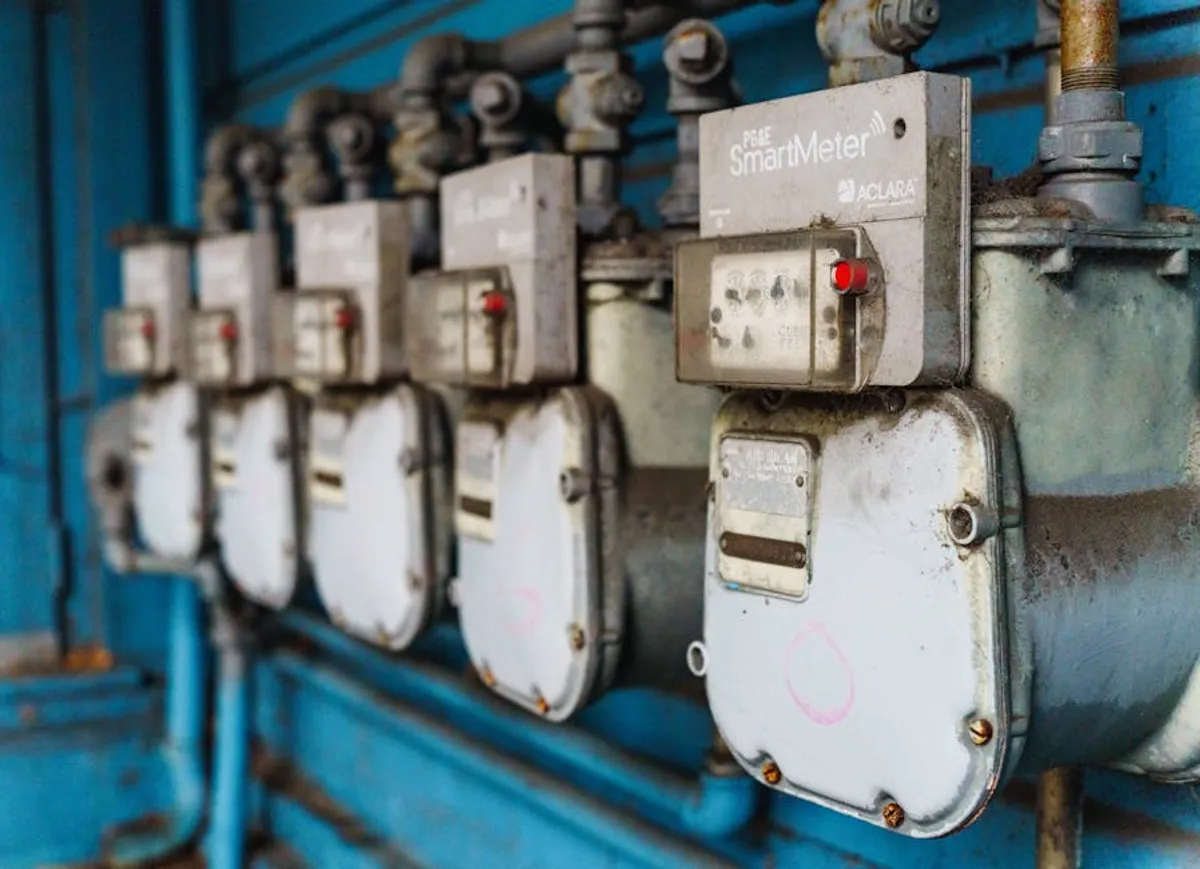
Planning utility connections is a fundamental, often underestimated, component of any construction, renovation, or site development project. Overlooking this phase or mishandling its complexities can lead to significant delays, budget overruns, and operational setbacks. From initial site assessment to final service activation, each step demands meticulous attention to detail and proactive engagement with various stakeholders. This guide outlines a structured approach to navigate the process, ensuring all essential services—electricity, water, gas, sewage, and telecommunications—are established efficiently and compliantly.
Initial Site Assessment and Requirements Definition
Before any ground is broken, a comprehensive understanding of the site's existing conditions and future demands is critical. This foundational step dictates the scope and complexity of your utility connection plan.
Understanding Existing Infrastructure
Begin by identifying all current utility access points, easements, and rights-of-way on or adjacent to your property. This includes reviewing historical site plans, surveys, and engaging with local planning departments. Knowledge of existing lines helps in avoiding conflicts and identifying potential upgrade needs.
- Easements: Legal rights granted for utility companies to access specific parts of your property for installation and maintenance.
- Service Laterals: Lines extending from the main utility infrastructure to your property boundary.
- Capacity: Assess the current capacity of nearby mains to determine if they can support your project's demands without requiring extensive upgrades.
Forecasting Demand
Accurately project the utility consumption for your proposed development. This involves detailed calculations based on the building's size, intended use (residential, commercial, industrial), and specific equipment requirements. For example, a data center will have vastly different electrical and cooling demands than a retail storefront. Underestimating demand can lead to costly upgrades post-construction, while overestimation can result in unnecessary initial expenses.
Key considerations:
- Electrical load: Total wattage for lighting, HVAC, machinery, and IT.
- Water consumption: Daily usage for domestic, irrigation, and industrial processes.
- Gas requirements: Heating, cooking, and industrial equipment.
- Wastewater generation: Volume and type of effluent.
- Telecommunications: Required bandwidth, fiber optic access, and redundancy needs.
Regulatory and Zoning Checks
Local ordinances, building codes, and zoning regulations heavily influence utility planning. These rules dictate everything from service line placement and depth to environmental impact assessments. Early consultation with local planning and zoning departments can uncover specific requirements, restrictions, or incentives that affect your connection strategy.
Engaging Utility Providers and Local Authorities
Direct communication with utility companies and municipal departments is non-negotiable. This phase involves formal applications, technical reviews, and securing necessary approvals.
Submitting Connection Applications
Each utility provider (electricity, water, gas, telecom, sewer) will have its own application process. These typically require detailed site plans, proposed usage data, and project timelines. Submitting complete and accurate documentation expedites the review process. Be prepared for technical consultations where providers assess the feasibility of your proposed connections and identify any required infrastructure upgrades on their end.
Pro Tip: Initiate contact with utility providers as early as possible. Lead times for new connections, especially for complex projects or those requiring significant infrastructure extensions, can range from several weeks to over a year. Early engagement helps secure your place in their project queue and allows for better timeline management.
Coordination with Municipal Departments
Beyond utility providers, engage with local public works, environmental, and transportation departments. These agencies often have oversight on rights-of-way, road crossings, and environmental impact, which can affect utility routing and installation. Obtaining their approvals is crucial for avoiding legal or logistical impediments.
Designing the Connection Layout
The physical design of your utility connections integrates the requirements defined in the initial assessment with the constraints and capabilities of the utility providers.
Developing Detailed Site Plans
Work with engineers and architects to create comprehensive site plans that clearly depict the proposed routing of all utility lines. This includes entry points, trenching paths, meter locations, and connection points to the main infrastructure. These plans must adhere to all local codes and utility specifications for safety, accessibility, and future maintenance.
Best for: Ensuring all parties have a clear, unified understanding of the physical installation process.
Considering Future Expansion and Redundancy
Design utility systems with an eye toward future growth. Oversizing conduits or installing additional empty ducts during initial construction is often far more cost-effective than retrofitting later. For critical operations, consider redundant connections or alternative power sources to minimize downtime risks.
Budgeting and Permitting
Accurate financial planning and securing all legal permissions are paramount to project success.
Estimating Connection Costs
Utility connection costs can be substantial and vary widely. Obtain detailed quotes from each utility provider, including charges for new service lines, capacity upgrades, meter installation, and any associated fees. Factor in costs for trenching, backfilling, landscaping restoration, and professional services (engineering, surveying).
Warning: Do not underestimate the "hidden" costs associated with utility connections. These often include fees for permits, inspections, impact fees, and potential off-site infrastructure improvements mandated by utility companies or municipalities. Allocate a contingency budget of at least 15-20% for unforeseen expenses.
Securing Necessary Permits
A multitude of permits may be required, depending on the project's scope and location. These can include excavation permits, road closure permits (if crossing public rights-of-way), building permits (for internal wiring/plumbing), and environmental permits. Coordinate with your general contractor or a dedicated project manager to ensure all permits are applied for and obtained in sequence, preventing work stoppages.
Coordination and Execution Oversight
The execution phase demands rigorous project management to synchronize the work of various contractors and utility teams.
Managing Installation Schedules
Utility installations often involve multiple independent crews working on different services. Develop a master schedule that integrates these activities, minimizing conflicts and maximizing efficiency. Regular communication with all parties is essential to track progress and address any emerging issues promptly.
Quality Control and Inspections
Implement a robust quality control process. This includes regular site visits to monitor installation practices, ensuring adherence to design specifications and regulatory standards. Schedule and facilitate all required inspections by utility providers and municipal inspectors at critical junctures (e.g., open trench inspection before backfilling).
Finalizing and Activating Services
The culmination of the planning process is the successful activation of all necessary utilities.
Meter Installation and Testing
Once all connections are installed and inspected, utility meters will be set. Follow the provider's procedures for initial service activation and perform thorough testing of all systems to confirm functionality and safety before occupancy or full operation.
Documenting Connections and Warranties
Maintain a complete record of all utility plans, permits, inspection reports, and service agreements. This documentation is invaluable for future maintenance, repairs, or property transactions. Understand the warranties provided by equipment manufacturers and service providers.
Streamlining Your Utility Connection Process
Effective utility connection planning is an iterative process requiring foresight, detailed technical understanding, and persistent coordination. By systematically addressing site assessment, provider engagement, design, budgeting, and execution, project managers can mitigate common risks and ensure timely, compliant service activation. Proactive communication and a comprehensive approach are the cornerstones of success, transforming a potential bottleneck into a smooth operational launch.
Frequently Asked Questions
How long does it typically take to get new utility connections?
The timeline varies significantly based on project complexity, location, and the specific utility. Simple residential connections might take a few weeks, while large commercial or industrial projects requiring new infrastructure can take several months to over a year. Early application and consistent follow-up are crucial.
What if existing utility lines conflict with my proposed construction?
If conflicts arise, you may need to apply for utility relocation. This is a complex and potentially costly process involving engineering studies, permits, and coordination with the utility company. It's best to identify these conflicts during the initial site assessment to incorporate them into your project plan and budget.
Who is responsible for the cost of utility connections?
Generally, the property owner or developer is responsible for the costs associated with bringing utilities from the main lines to the property, including all on-site work and connection fees. In some cases, for major infrastructure upgrades benefiting a wider area, utility companies or municipalities may share costs, but this is not guaranteed and requires negotiation.
Can I get temporary utility services during construction?
Yes, temporary services for electricity and water are often available for construction sites. You will need to apply for these separately with the respective utility providers, detailing your temporary usage needs and duration. These services are typically metered and billed, and they require specific temporary setup and safety measures.