For property developers, rental managers, or content creators targeting the vacation rental market, understanding current cabin design trends is crucial. A cabin is more than just a structure; it's a marketable experience, and its design directly influences its appeal, perceived value, and potential for revenue generation. This means moving beyond purely aesthetic choices to consider strategic design elements that resonate with specific buyer or renter demographics, enhance functionality, and offer long-term operational advantages. The objective is to balance rustic charm with modern expectations, ensuring every design decision contributes to a compelling and profitable asset.
Optimizing Interior Layouts for Perceived Value and Functionality
The interior layout of a cabin significantly impacts how spacious, functional, and inviting it feels, directly influencing its market desirability. Strategic planning here can maximize usable square footage and create distinct areas within a compact footprint.
Open Concepts and Defined Zones
An open-concept living area, integrating the kitchen, dining, and living spaces, creates a sense of spaciousness and encourages social interaction. This layout is particularly appealing to families and groups, a primary demographic for cabin rentals. However, a purely open plan can feel cavernous or lack intimacy.
Best for: Maximizing social interaction and perceived space in smaller cabins.
- Utilize furniture arrangements to define "zones" without physical walls. For instance, a large area rug can delineate the living room, while a kitchen island serves as a natural boundary for the cooking area.
- Consider half-walls or decorative screens for subtle separation, offering a degree of privacy without fully enclosing spaces.
- Incorporate built-in seating or shelving units that serve dual purposes, acting as both storage and visual dividers.
Maximizing Natural Light and Views
Strategic placement of large windows and glass doors is a non-negotiable for cabins. This design choice floods interiors with natural light, reduces reliance on artificial lighting, and, crucially, frames exterior views as an extension of the living space. This direct connection to nature is often a primary driver for cabin seekers.
Impact: Increases perceived square footage, enhances mood, and significantly boosts market appeal by leveraging the natural surroundings.
Consider window types that offer expansive, unobstructed views, such as picture windows, sliding glass doors, or even floor-to-ceiling options where privacy is not a concern. Ensure window treatments allow for full retraction to maximize light and views when desired.
Pro Tip: When designing layouts, always consider the flow of traffic and potential bottlenecks. A well-planned circulation path prevents congestion, especially in high-traffic areas like kitchens and entryways, enhancing the user experience for renters and owners alike.
Material Selection: Durability, Aesthetics, and Sustainability as Market Differentiators
The choice of materials dictates not only the cabin's aesthetic but also its longevity, maintenance requirements, and environmental footprint—all factors that resonate with modern buyers and renters.
Local and Reclaimed Materials
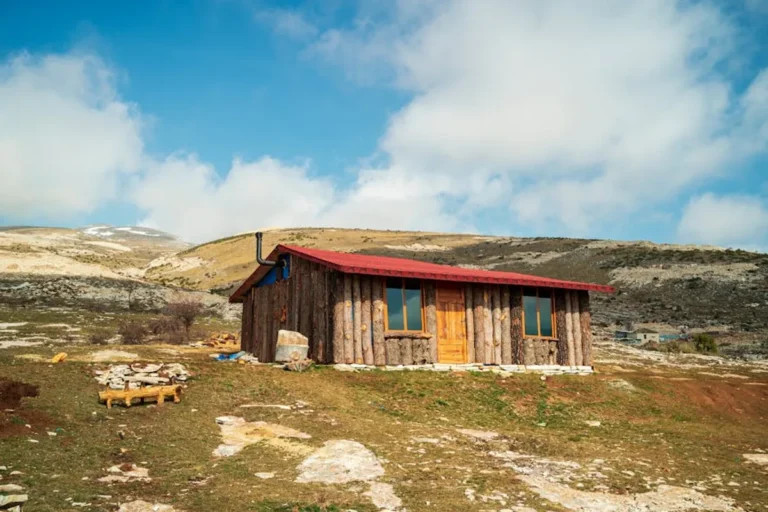
Incorporating locally sourced timber, stone, or reclaimed wood planks adds authentic character and reduces transportation costs and environmental impact. This approach appeals to eco-conscious consumers and can be a strong unique selling proposition.
Benefit: Enhances rustic appeal, supports local economies, and offers a verifiable sustainability narrative.
Ensure reclaimed materials are properly treated and structurally sound to avoid future maintenance issues. For example, reclaimed barn wood can be repurposed for accent walls or custom furniture, adding unique texture and history.
Energy Efficiency and Long-Term Cost Savings
High-performance insulation, low-emissivity (low-E) windows, and energy-efficient roofing materials are critical for reducing heating and cooling costs. This translates to lower operational expenses for owners and a more comfortable stay for guests, particularly in extreme climates.
Value Proposition: Reduced utility bills and a smaller carbon footprint, appealing to a broad market segment.
Specify materials with high R-values for walls, ceilings, and floors. Double-pane or triple-pane windows with inert gas fills are standard for energy efficiency. Consider reflective roofing materials in hot climates or high-albedo materials in cooler ones.
Integrating Modern Amenities and Smart Technology for Enhanced Appeal
While cabins evoke a sense of escape, modern amenities and smart technology are increasingly expected, enhancing convenience, security, and overall guest satisfaction.
Connected Living: Smart Systems and Reliable Infrastructure
Smart home systems for lighting, climate control, and security offer convenience and remote management capabilities. High-speed internet and robust cellular service are no longer luxuries but necessities, especially for guests seeking a "workation" or digital detox.
Market Impact: Attracts remote workers and tech-savvy travelers, expanding the potential rental pool.
Install mesh Wi-Fi systems for seamless coverage throughout the property. Consider integrated smart thermostats (e.g., Nest, Ecobee) and smart locks for keyless entry and remote access management. Ensure reliable power backup solutions for critical systems in remote locations.
Comfort-Centric Features: Heating and Air Quality
Beyond basic heating, consider supplemental systems like radiant floor heating in bathrooms or a high-efficiency wood-burning stove in the living area for ambiance. Advanced air filtration systems can improve indoor air quality, a growing concern for many.
Differentiator: Enhances guest comfort and provides a premium experience, justifying higher rental rates.
Evaluate ductless mini-split systems for efficient heating and cooling in specific zones. Install high-MERV air filters in HVAC systems and consider whole-home humidifiers/dehumidifiers depending on local climate conditions.
Designing Outdoor Spaces as Revenue-Generating Extensions
Outdoor areas are integral to the cabin experience, often serving as primary attractions. Thoughtful design can transform these spaces into valuable extensions of the living area, boosting property appeal and rental income.
Strategic Deck and Patio Development
An expansive, well-furnished deck or patio can significantly increase usable living space. Design it to capitalize on views, offer multiple seating areas (dining, lounging), and provide shade or shelter from elements.
Commercial Value: Increases perceived square footage and enhances the "escape" experience, a major draw for renters.
Use durable, low-maintenance materials like composite decking or treated hardwoods. Incorporate built-in benches or planters to define spaces and add visual interest. Ensure proper lighting for evening use and accessibility for all guests.
Recreational Additions: Fire Pits and Outdoor Kitchens
Elements like a dedicated fire pit area, an outdoor kitchen, or even a hot tub can be powerful amenities that command higher rental rates and distinguish a property in a competitive market.
ROI: These features are highly sought after by vacationers, directly contributing to booking rates and guest satisfaction.
Design fire pit areas with comfortable, durable seating and ensure safety clearances. Outdoor kitchens can range from a simple grill station to a full setup with a sink, mini-fridge, and counter space, catering to different market segments.
Interior Styling: Balancing Rustic Charm with Contemporary Demand
The interior aesthetic sets the mood and influences guest perception. A successful cabin design blends traditional rustic elements with modern comforts and clean lines to appeal to a broad audience.
The Rustic Modern Aesthetic
This style combines natural textures (wood, stone, leather) and earthy color palettes with contemporary furniture, minimalist decor, and functional design. It avoids dated kitsch in favor of sophisticated comfort.
Appeal: Broadens market reach by satisfying both those seeking traditional cabin feel and those desiring modern amenities.
Pair exposed timber beams with sleek, upholstered furniture. Use natural stone fireplaces as focal points alongside modern artwork. Balance warm wood tones with cool grays or crisp whites for a refreshed look.
Functional Furnishings and Storage Solutions
Every piece of furniture should serve a purpose, especially in smaller cabins. Opt for multi-functional pieces (e.g., ottoman with storage, sofa beds) and integrate built-in storage solutions to keep spaces uncluttered.
Practicality: Enhances guest convenience and makes the space feel larger and more organized.
Consider custom cabinetry that blends seamlessly with the architecture. Built-in bunk beds with integrated storage are excellent for maximizing sleeping capacity in family-friendly cabins. Use durable, easy-to-clean fabrics for upholstery.
Maximizing ROI Through Thoughtful Design Choices
Every design decision has financial implications. Strategic choices ensure that investments translate into tangible returns, whether through increased property value, higher rental income, or reduced operational costs.
Target Audience Alignment
Identify the primary demographic for your cabin. Is it families, romantic getaways, adventure seekers, or remote workers? Tailor design elements to meet their specific needs and desires. A family-focused cabin might prioritize durable, child-friendly materials and multiple sleeping areas, while a romantic retreat would emphasize privacy, luxury finishes, and an outdoor hot tub.
Commercial Insight: Designing for a specific niche allows for targeted marketing and potentially higher premium pricing.
Highlighting Unique Selling Propositions
What makes this cabin stand out? Is it a unique architectural feature, an exceptional view, a specific amenity (e.g., a private sauna, a dedicated game room), or a strong sustainability story? These differentiators should be central to the design and marketing narrative.
Competitive Advantage: Creates memorable experiences that drive positive reviews and repeat bookings.
Future-Proofing Cabin Investments
Designing with an eye towards the future ensures the cabin remains relevant and valuable over time. This includes considering adaptability, maintenance, and evolving guest expectations.
Prioritize durable, low-maintenance materials that withstand harsh weather and heavy use. Design spaces that can adapt to changing family needs or market demands, such as rooms that can easily convert from a bedroom to an office. Incorporate smart technology that can be updated or expanded. By focusing on longevity and adaptability, cabin design becomes a sustainable asset, capable of delivering consistent returns and enduring appeal.
Frequently Asked Questions
What cabin design elements offer the best return on investment for rental properties?
High-impact elements include expansive decks with scenic views, modern and efficient kitchens/bathrooms, reliable high-speed internet, and appealing outdoor amenities like fire pits or hot tubs. These directly enhance guest experience and justify premium pricing.
How can sustainable design choices impact a cabin's marketability?
Sustainable choices like local materials, energy-efficient windows, and superior insulation appeal to a growing segment of eco-conscious consumers. They reduce operational costs, offer a compelling marketing narrative, and can often command higher rental rates due to perceived value and responsible stewardship.
What is the most effective way to balance rustic aesthetics with modern comfort in cabin design?
The "rustic modern" aesthetic effectively balances these. It involves using natural materials (wood, stone) and warm textures, but pairing them with clean lines, minimalist furniture, and integrated smart technology. This approach provides the desired cozy, natural feel without sacrificing contemporary conveniences.
Are smart home technologies a worthwhile investment for cabin properties?
Yes, smart home technologies are increasingly expected by guests. Smart thermostats, keyless entry systems, and robust Wi-Fi offer convenience, enhance security, and allow for remote management, streamlining operations for owners and improving the overall guest experience, which can lead to better reviews and repeat bookings.