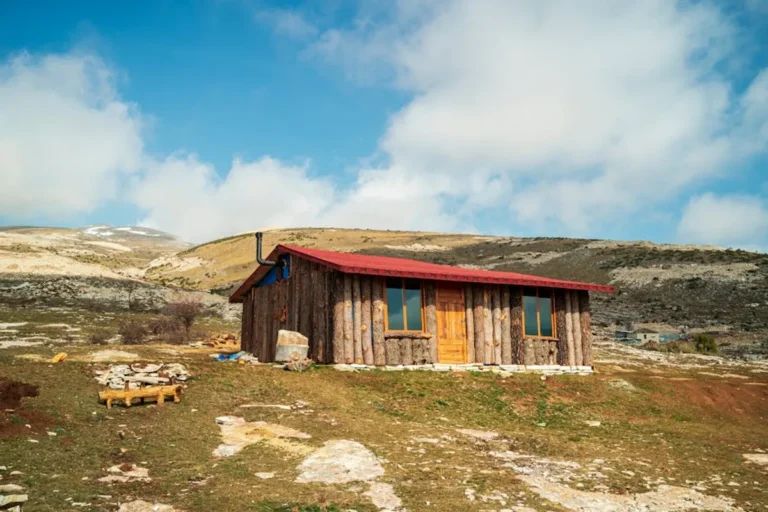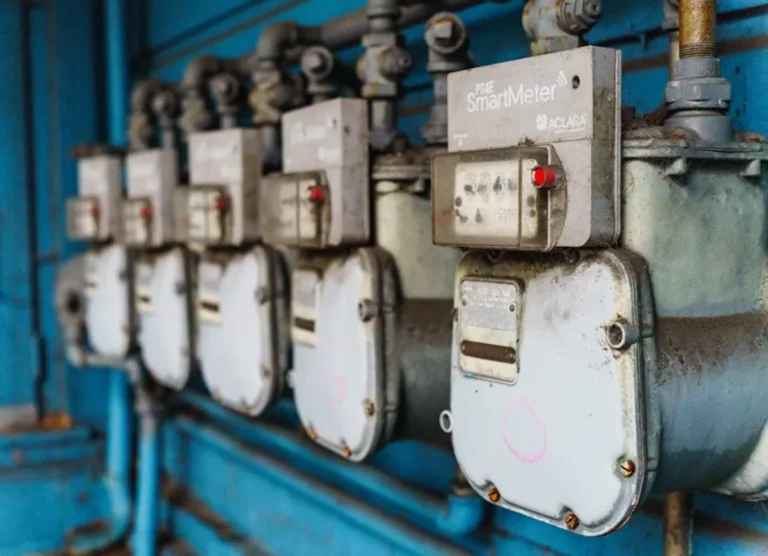
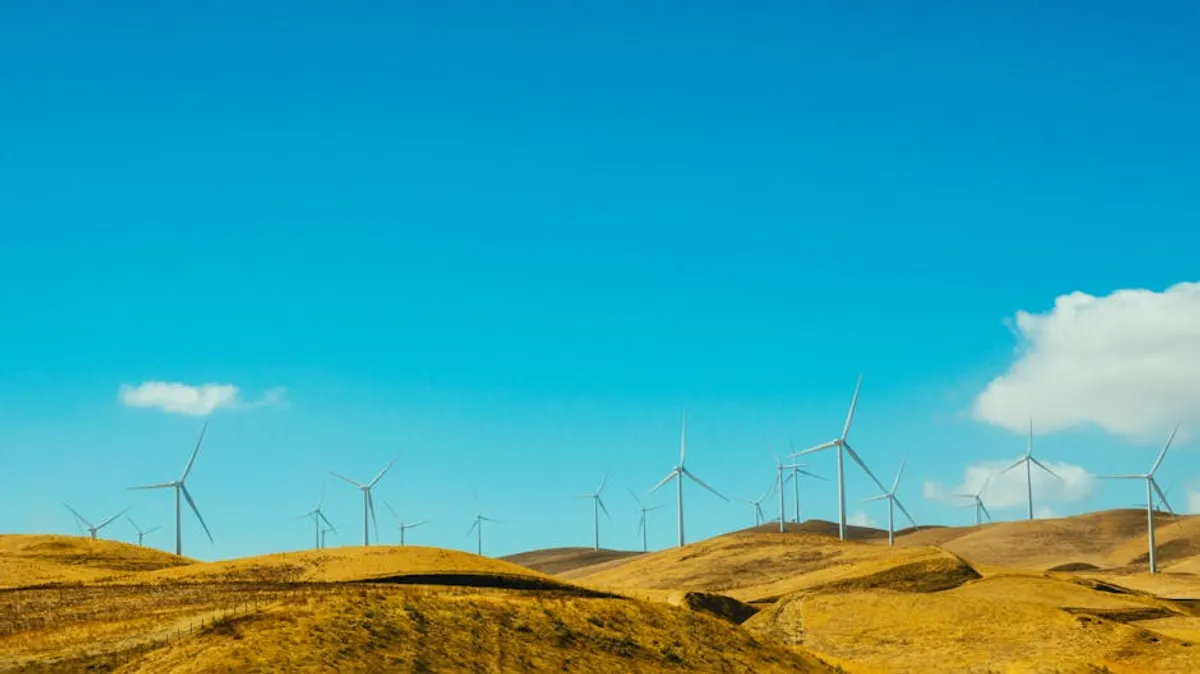
Choosing an energy-efficient heating system for a cabin involves more than just selecting a heat source; it requires a strategic assessment of the cabin's unique characteristics, usage patterns, and the surrounding environment. Unlike primary residences, cabins often feature intermittent occupancy, varying levels of insulation, and sometimes off-grid or remote locations, all of which heavily influence heating system viability and operational cost. The goal is to achieve reliable warmth without excessive energy consumption or infrastructure demands, balancing upfront investment against long-term operational efficiency and comfort.
Fundamental Considerations for Cabin Heating
Before evaluating specific heating technologies, establish a clear profile of the cabin and its needs. This foundational analysis prevents costly missteps and ensures the chosen system aligns with practical requirements.
- Cabin Insulation and Air Sealing: The most significant factor influencing heating load. A poorly insulated cabin will be expensive to heat regardless of the system chosen. Prioritize upgrades to walls, ceilings, floors, windows, and doors before investing in a new heater.
- Cabin Size and Layout: Smaller, open-plan cabins may benefit from a single point-source heater, while larger or multi-room layouts might require zoned heating or a ducted system.
- Usage Frequency and Duration: A weekend retreat used sporadically has different demands than a seasonal rental or a full-time residence. Quick heat-up times might be prioritized for intermittent use.
- Fuel Availability and Cost: Access to electricity, propane, natural gas, or firewood varies by location. Compare local fuel prices to project running costs accurately.
- Climate Zone: Extreme cold dictates systems with robust low-temperature performance, while milder climates offer more flexibility.
- Budget: Balance the initial purchase and installation costs with projected energy savings and maintenance over the system's lifespan.
Primary Energy-Efficient Heating Options
Wood Stoves and Pellet Stoves
For many cabins, particularly in wooded or remote areas, wood and pellet stoves offer a compelling blend of self-sufficiency and radiant heat. Modern, EPA-certified models burn significantly cleaner and more efficiently than older units.
Wood Stoves: These provide intense, radiant heat, often becoming the focal point of a cabin. They operate independently of the electrical grid, making them ideal for off-grid or emergency backup.
Best for: Off-grid cabins, areas with abundant firewood, those seeking a rustic aesthetic, and supplemental heat.
Pellet Stoves: Offering a more automated and cleaner burn than traditional wood stoves, pellet stoves feed compressed wood pellets from a hopper into the burn chamber. They require electricity for the auger, fan, and controls, but offer consistent heat output with less manual labor. Flue requirements are typically less stringent than traditional wood stoves.
Best for: Cabins where convenience and consistent heat are priorities, but grid dependence is acceptable. Good for reducing emissions compared to older wood stoves.
Pro Tip: Proper installation with adequate clearances and a correctly sized, well-maintained chimney or vent system is paramount for both safety and efficiency with any combustion-based heater. Regular cleaning prevents creosote buildup and ensures optimal performance.
Mini-Split Heat Pumps
Mini-split heat pumps are highly efficient electric heating and cooling systems that do not require ductwork. They consist of an outdoor compressor unit and one or more indoor air-handling units, connected by refrigerant lines.
They operate by transferring heat, rather than generating it, making them far more efficient than traditional electric resistance heaters. Cold-climate models are designed to maintain significant heating capacity even when outdoor temperatures drop well below freezing.
Best for: Cabins with reliable electricity, those needing both heating and cooling, zoned heating capabilities, and modern aesthetics. Excellent for energy efficiency in moderate to cold climates.
Propane Heaters
Propane offers a versatile fuel source for cabin heating, especially where natural gas is unavailable. Several types of propane heaters cater to different needs.
Direct Vent Propane Heaters: These units draw combustion air from outside and vent exhaust gases directly outside through a sealed pipe, preventing indoor air quality issues. They are efficient and safe for continuous use, often providing zone heating.
Best for: Cabins where safety and efficiency are critical, and a direct vent to the outside is feasible. Good for primary or supplemental heat.
Vent-Free Propane Heaters: While simple to install and inexpensive, vent-free heaters release combustion byproducts, including water vapor and trace pollutants, directly into the living space. They also consume oxygen from the room. Their use should be limited to short durations and well-ventilated areas, and they are generally not recommended for primary cabin heating due to safety and moisture concerns.
Best for: Emergency backup or very occasional, short-term supplemental heat in a well-ventilated space.
Electric Resistance Heating
Electric resistance heating, such as baseboard heaters or portable electric radiators, converts electricity directly into heat. While easy to install and requiring no combustion or venting, it is typically the most expensive heating method in areas with higher electricity rates.
Best for: Cabins with very low heating demands, supplemental heat in specific zones, or where initial cost and simple installation outweigh running costs.
Optimizing Cabin Heating Efficiency
Beyond the choice of heating system, several practices significantly impact overall energy consumption and comfort.
Smart Thermostat Integration: Programmable or smart thermostats allow for precise temperature control, enabling scheduled setbacks when the cabin is unoccupied or during sleeping hours. This prevents unnecessary heating of an empty space.
Zone Heating Strategies: If the cabin has multiple rooms or distinct areas, consider heating only the occupied zones. Mini-splits are excellent for this, as are individual propane heaters or even electric baseboard units in specific rooms.
Regular Maintenance: All heating systems benefit from routine checks. Clean wood stove flues, replace heat pump filters, and have propane units inspected annually. This ensures peak performance and extends equipment lifespan.
Passive Solar Design: If building or renovating, incorporate passive solar principles. South-facing windows can capture significant solar gain during winter days, and thermal mass (e.g., stone floors, masonry walls) can store and slowly release this heat.
Making the Right Choice for Your Cabin
The ideal energy-efficient heating system for your cabin is a confluence of its physical attributes, your usage patterns, and local resource availability. Begin by maximizing the cabin's thermal envelope through insulation and air sealing. Then, evaluate fuel costs, system efficiency, and desired comfort levels. For year-round use and high efficiency, a cold-climate mini-split heat pump often provides the best balance of heating and cooling. For off-grid capability and rustic appeal, a modern wood stove is hard to beat. For intermittent use in areas without natural gas, a direct-vent propane heater offers reliable, safe warmth. Consider consulting local HVAC professionals familiar with cabin-specific challenges to ensure a tailored and effective solution.
Frequently Asked Questions
What is the most cost-effective heating for a cabin?
The most cost-effective option depends heavily on local fuel prices, the cabin's insulation, and usage patterns. Often, a modern wood stove (if firewood is accessible and affordable) or a cold-climate mini-split heat pump (if electricity rates are reasonable) offer excellent long-term value due to high efficiency.
Can I heat my cabin entirely with solar?
Heating a cabin entirely with solar is possible but typically requires a substantial investment in a robust solar photovoltaic (PV) system to power electric heaters or heat pumps, or a solar thermal system for radiant heat. A backup heat source is almost always recommended for prolonged cloudy periods or extreme cold.
Are vent-free propane heaters safe for cabins?
Vent-free propane heaters release combustion byproducts and moisture directly into the living space, posing potential safety and air quality concerns. While they have safety shut-offs for low oxygen, they are generally not recommended for primary or continuous heating in cabins. Direct-vent propane heaters are a safer, more efficient alternative.
How important is cabin insulation for heating efficiency?
Cabin insulation is critically important and often the single most impactful factor for heating efficiency. A well-insulated and air-sealed cabin requires significantly less energy to heat, making any chosen heating system more effective and economical to operate.