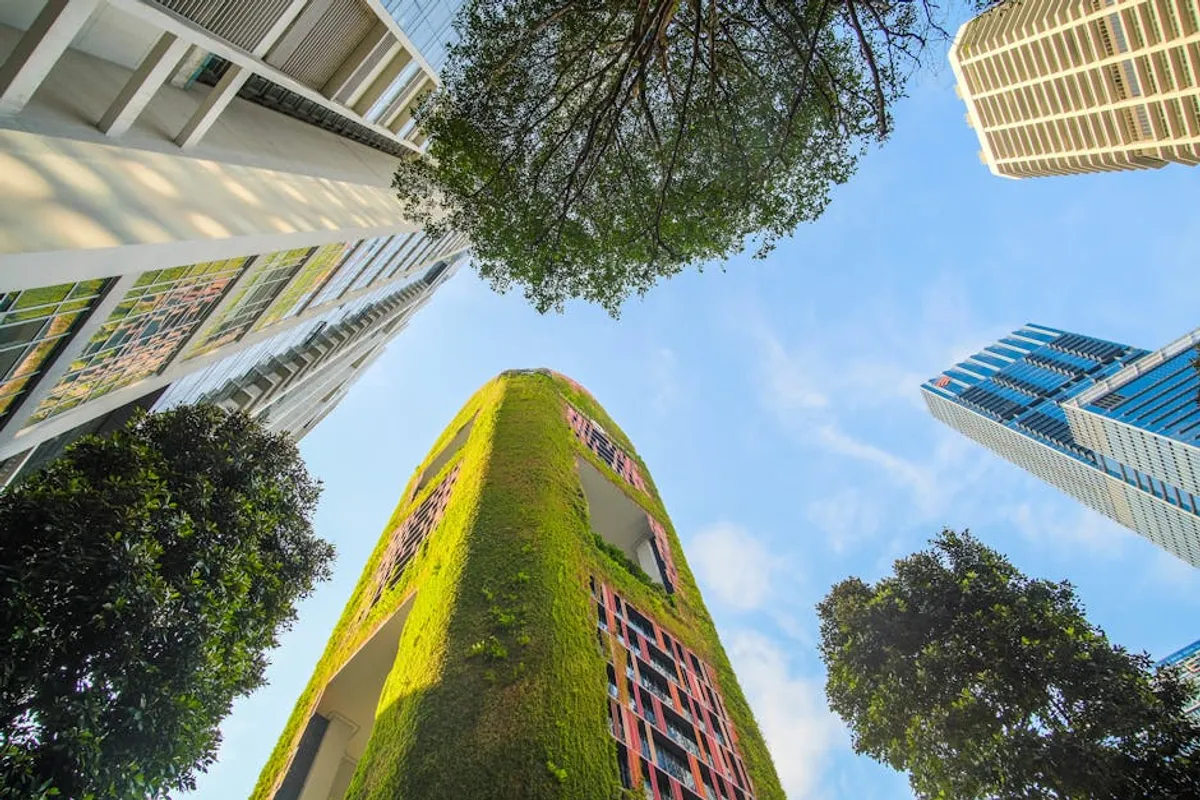
Green building represents a significant shift in construction and development, moving beyond traditional methods to integrate environmental responsibility with resource efficiency throughout a building's lifecycle. For stakeholders ranging from property developers and architects to facility managers and investors, understanding these fundamentals is crucial for strategic decision-making. The commercial appeal of green buildings stems not just from ecological stewardship, but from tangible economic advantages, including reduced operating costs, enhanced occupant well-being, and often, increased market value and lease rates. This approach requires a holistic view, considering site impact, material sourcing, energy consumption, and long-term maintenance from the project's inception.
Defining Green Building
Green building, often interchangeably referred to as sustainable building or high-performance building, is a practice that aims to reduce a building's negative impact on the environment and its occupants. This encompasses every stage of a building's life cycle: from site selection, design, construction, operation, maintenance, renovation, and deconstruction. The core objective is to create structures that are environmentally responsible and resource-efficient, leading to healthier and more productive environments for people.
Key attributes define a green building:
- Reduced Resource Consumption: Minimizing the use of water, energy, and raw materials.
- Waste Minimization: Diverting construction and demolition waste from landfills, and designing for durability and recyclability.
- Pollution Prevention: Reducing air, water, and soil pollution associated with building activities.
- Occupant Health and Comfort: Prioritizing indoor environmental quality through better air, lighting, and thermal comfort.
- Resilience: Designing buildings that can withstand environmental changes and operate efficiently under various conditions.
Pillars of Sustainable Construction
The principles underpinning green building are comprehensive, addressing various aspects of a project's environmental footprint and operational efficiency.
Site Selection and Planning
Choosing an appropriate site is foundational. This involves selecting previously developed land to reduce urban sprawl, minimizing disruption to natural habitats, and ensuring access to public transportation, existing infrastructure, and local amenities. Strategic site planning can reduce heat island effects, manage stormwater runoff, and preserve biodiversity.
Energy Efficiency
This is often the most visible and impactful aspect. It involves designing buildings to consume less energy through passive strategies like optimal orientation, natural ventilation, and daylighting. Active measures include high-performance insulation, efficient HVAC systems, LED lighting, and integrating renewable energy sources such as solar panels or geothermal systems. The goal is to minimize reliance on non-renewable energy and reduce operational carbon emissions.
Water Efficiency
Green buildings prioritize minimizing water consumption. This includes low-flow fixtures, rainwater harvesting for irrigation or non-potable uses, greywater recycling systems, and drought-tolerant landscaping. Reducing potable water demand lessens the strain on local water supplies and wastewater treatment infrastructure.
Materials and Resources
The selection of building materials significantly impacts a project's environmental footprint. Green building emphasizes materials that are:
- Locally sourced to reduce transportation emissions.
- Recycled content or rapidly renewable resources.
- Low in volatile organic compounds (VOCs) and other toxic substances.
- Durable, requiring less frequent replacement.
- Manufactured using environmentally responsible processes.
Indoor Environmental Quality (IEQ)
IEQ focuses on the health and comfort of building occupants. This includes maximizing natural light, providing effective ventilation to reduce indoor air pollutants, using non-toxic materials, and optimizing thermal and acoustic comfort. Improved IEQ has been linked to increased productivity, reduced absenteeism, and enhanced well-being.
Operations and Maintenance
A green building's lifecycle extends beyond construction. Sustainable operations involve implementing efficient maintenance practices, continuous monitoring of energy and water use, and adopting green cleaning programs. This ensures the building continues to perform optimally and retains its environmental benefits over time.
Tangible Benefits of Green Design
The investment in green building practices yields multiple returns, making it a commercially sound strategy.
Economic Advantages: Green buildings typically have lower operating costs due to reduced energy and water consumption. They can also command higher occupancy rates, increased asset values, and often qualify for tax incentives or rebates. Life cycle cost analysis frequently demonstrates that the initial investment in green features is offset by long-term savings.
Environmental Stewardship: By reducing energy consumption, green buildings mitigate greenhouse gas emissions and combat climate change. They conserve natural resources, minimize waste sent to landfills, and protect biodiversity, contributing to a healthier planet.
Health and Productivity: Enhanced indoor air quality, natural light, and thermal comfort improve occupant health, reduce sick building syndrome, and boost productivity. This can translate to lower healthcare costs and higher employee retention rates for businesses.
Navigating Certifications and Standards
Several rating systems provide frameworks and verification for green building projects, offering credibility and a standardized measure of performance.
- LEED (Leadership in Energy and Environmental Design): Developed by the U.S. Green Building Council (USGBC), LEED is one of the most widely recognized green building certification programs globally. It provides a framework for healthy, highly efficient, and cost-saving green buildings.
- BREEAM (Building Research Establishment Environmental Assessment Method): Originating in the UK, BREEAM is another leading sustainability assessment method for master planning projects, infrastructure, and buildings. It evaluates projects across various categories, including energy, water, waste, and health and well-being.
- Passive House: A rigorous, voluntary standard for energy efficiency in a building, reducing its ecological footprint. It results in ultra-low energy buildings that require little energy for space heating or cooling.
- ENERGY STAR: While primarily for appliances and homes, ENERGY STAR also offers certification for commercial buildings that meet strict energy performance standards.
Pro Tip: Integrate sustainability goals and expert consultation early in the project's design phase. Retrofitting green elements into an already finalized design often incurs higher costs and may compromise overall effectiveness compared to a truly integrated approach from inception.
Strategic Considerations for Sustainable Projects
Implementing green building practices requires careful planning and a commitment to long-term value.
Integrated Design Process: This collaborative approach brings together architects, engineers, contractors, and owners from the project's outset. It ensures that sustainability goals are woven into every design decision, optimizing interdependencies between systems and avoiding costly changes later.
Cost vs. Value: While some green features may have a higher upfront cost, it's essential to perform a life cycle cost analysis. This evaluates the total cost of ownership over the building's lifespan, factoring in energy savings, maintenance, and potential financial incentives. Often, the long-term operational savings significantly outweigh the initial investment.
Material Selection: Beyond environmental impact, consider the availability, durability, and performance of sustainable materials. Research manufacturers for transparency in their supply chains and production processes. Prioritize materials with environmental product declarations (EPDs) and health product declarations (HPDs).
Engaging Specialists: Work with architects, engineers, and consultants who have proven expertise in green building design and certification processes. Their experience can guide material choices, system integration, and compliance with desired standards.
Advancing Sustainable Development
Embracing green building basics is not merely about compliance or trend-following; it is a strategic imperative for modern development. Projects that prioritize sustainability are better positioned to attract tenants and buyers, reduce operational liabilities, and contribute positively to their communities. The long-term financial and environmental returns solidify green building as a cornerstone of responsible and profitable construction.
Frequently Asked Questions
What are the primary goals of green building?
The primary goals include reducing environmental impact, conserving natural resources, minimizing waste, improving occupant health and productivity, and reducing operational costs over a building's lifespan.
Does green building cost more upfront?
Initial costs can sometimes be higher, but a life cycle cost analysis often reveals that the long-term operational savings from reduced energy and water consumption, coupled with potential incentives and increased asset value, lead to a lower total cost of ownership.
How do green building certifications benefit a project?
Certifications like LEED or BREEAM provide third-party verification of a building's sustainable performance, enhancing marketability, demonstrating environmental commitment, and often qualifying projects for financial incentives or regulatory benefits.
Can existing buildings be 'greened'?
Yes, many green building principles and strategies can be applied to existing structures through renovations, retrofits, and operational improvements. This includes upgrading HVAC systems, improving insulation, installing efficient lighting, and implementing water-saving measures.