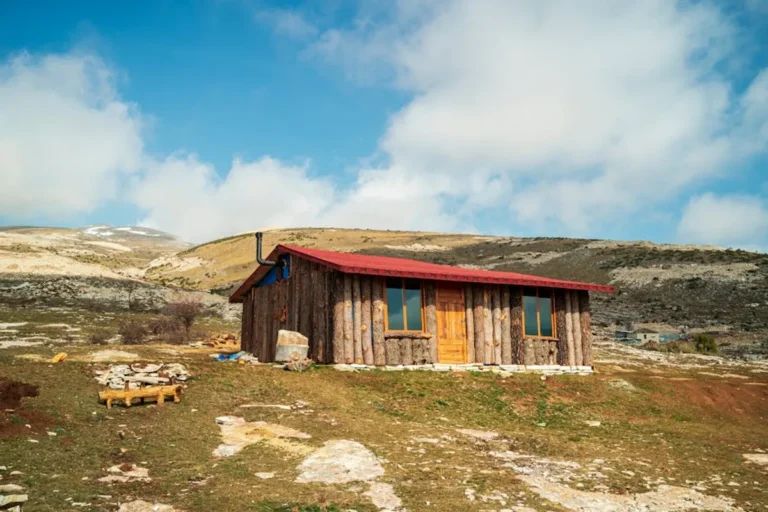

Choosing windows for a cabin involves a distinct set of considerations compared to a typical residential home. Cabins often sit in unique environments—remote, exposed to extreme weather, or designed for specific aesthetic integration with nature. The right windows must balance energy efficiency, durability, security, and the desired visual connection to the surroundings. This decision impacts not only comfort and utility costs but also the cabin’s overall character and long-term maintenance requirements.
Understanding Cabin-Specific Window Needs
Cabin windows are not merely openings; they are critical components that protect the interior, manage climate, and frame the exterior landscape. Their selection requires a careful assessment of the cabin's location and intended use.
Energy Efficiency in Remote Settings
Cabins, especially those in colder climates or with limited access to utilities, demand high energy performance from their windows. Poorly insulated windows lead to significant heat loss in winter and heat gain in summer, increasing heating and cooling costs. Key metrics to consider include:
- U-factor: This measures how well a window prevents heat from escaping. Lower U-factors indicate better insulation. For cabins in cold regions, aim for a U-factor below 0.30.
- R-value: The inverse of the U-factor, representing thermal resistance. Higher R-values signify better insulation.
- Solar Heat Gain Coefficient (SHGC): Measures how much solar radiation passes through a window. Low SHGC is desirable in hot climates to reduce cooling loads, while higher SHGC can be beneficial in cold climates for passive solar heating.
- Glazing: Double-pane glass is standard, but triple-pane offers superior insulation. Low-emissivity (Low-E) coatings reflect infrared light, reducing heat transfer. Inert gases like argon or krypton between panes further enhance insulation by slowing heat convection.
- Frame Materials: The frame's material significantly affects overall window efficiency. Wood and fiberglass offer natural insulating properties, while vinyl frames are also effective insulators. Aluminum frames, unless thermally broken, are generally less efficient.
Durability and Security
Cabins, particularly those left vacant for extended periods or located in areas prone to severe weather, require robust windows. Durability considerations include resistance to wind, snow, ice, and UV radiation. Look for:
- Impact Resistance: Windows with laminated or tempered glass provide enhanced protection against breakage, whether from flying debris during storms or attempted forced entry.
- Weather Stripping and Seals: High-quality, continuous weather stripping and strong seals prevent air and water infiltration, crucial for maintaining interior comfort and preventing moisture damage.
- Frame Construction: Reinforced frames, especially in larger windows, maintain structural integrity against high winds and prevent warping over time.
- Locking Mechanisms: Multi-point locking systems on casement or awning windows offer superior security compared to single-point locks on double-hung or slider windows.
Aesthetic Integration and Views
The visual role of cabin windows is paramount. They connect the interior to the natural environment, defining the cabin's character and occupants' experience.
- Style Matching: For a rustic cabin, wood-framed windows with traditional grilles might be appropriate. A modern cabin might feature large, frameless picture windows or sleek casements.
- Maximizing Views: Picture windows or large fixed panes offer expansive, unobstructed views. Casement windows, which crank out, provide a clear opening without a central rail.
- Grilles and Muntins: These decorative elements can enhance a traditional or craftsman aesthetic but may slightly obstruct views and cleaning.
Types of Windows Best Suited for Cabins
Each window type offers distinct advantages and disadvantages for cabin applications.
Fixed/Picture Windows
Best for: Maximizing panoramic views and energy efficiency.
These non-operable windows offer the largest uninterrupted glass area, making them ideal for framing scenic vistas. Because they have no moving parts, they are highly airtight and energy-efficient. However, they provide no ventilation.
Casement Windows
Best for: Excellent ventilation, unobstructed views when open, and high energy efficiency when closed.
Casement windows hinge at the side and crank open outward. They create a full opening, allowing for superior airflow. Their sash presses tightly against the frame when closed, forming an airtight seal that contributes to high energy performance. They also offer good security with multi-point locking systems.
Awning Windows
Best for: Ventilation in light rain and enhanced security.
Hinged at the top, awning windows open outward and upward, forming a canopy that allows for ventilation even during light rain. Like casements, they seal tightly when closed, offering good energy efficiency and security.
Double-Hung/Single-Hung Windows
Best for: Traditional aesthetic and common use.
These windows feature one (single-hung) or two (double-hung) sashes that slide vertically. They are a classic choice for many homes, offering a familiar appearance. However, their sliding mechanism can be less airtight than casement or awning windows, potentially impacting energy efficiency. They also offer less unobstructed view than fixed or casement options.
Slider Windows
Best for: Wide views in a horizontal format and easy operation.
Slider windows operate by gliding horizontally along a track. They are suitable for wider openings and provide good natural light. Similar to hung windows, their sealing can be less effective than crank-out types, and tracks can accumulate debris in outdoor environments.
Key Considerations for Cabin Window Materials
The frame material impacts durability, maintenance, and thermal performance.
Wood Frames
Pros: Natural aesthetic, excellent insulation, customizable, can be stained or painted to match cabin interior.
Cons: Requires regular maintenance (sealing, painting, inspecting for rot/insects), susceptible to moisture damage if not properly cared for.
Fiberglass Frames
Pros: Highly durable, stable in extreme temperatures (resists warping/expanding), energy-efficient, low maintenance, can be painted or manufactured to mimic wood grain.
Cons: Generally higher upfront cost than vinyl, fewer standard color options.
Vinyl Frames
Pros: Affordable, low maintenance (never needs painting), good insulation properties, wide range of styles.
Cons: Less rigid than fiberglass or wood, can expand and contract with temperature changes (though modern vinyl is more stable), limited dark color options due to heat absorption.
Aluminum-Clad Wood Frames
Pros: Combines the natural beauty and insulating properties of wood interiors with the low-maintenance, weather-resistant durability of an aluminum exterior. Offers excellent protection against the elements without sacrificing interior aesthetics.
Cons: Higher cost than pure wood or vinyl, can be more complex to repair if cladding is damaged.
Installation and Maintenance Factors
Proper installation is as crucial as window selection for long-term performance.
Professional Installation Benefits
Hiring experienced installers ensures windows are correctly sealed, flashed, and structurally integrated into the cabin. This prevents drafts, water leaks, and structural issues that can arise from improper fitting. Professional installation also often includes warranties on labor, providing additional peace of mind.
Long-Term Maintenance Planning
Regardless of material, all windows require some level of maintenance. This includes regular cleaning of glass and frames, inspecting seals and weather stripping for wear, and ensuring drainage weep holes are clear. Wood frames will need more frequent inspection and re-finishing. Understanding these requirements upfront helps in selecting windows that align with your willingness and capacity for ongoing care.
Pro Tip: When selecting large picture windows for expansive views, consider their orientation. South-facing windows can provide beneficial passive solar gain in winter but require careful shading strategies (e.g., overhangs, interior blinds) to prevent overheating in summer. East and west-facing windows can experience significant glare and heat gain during morning and afternoon, necessitating appropriate glass coatings or external shading.
Making Your Final Window Decision
The ideal windows for your cabin will balance aesthetic appeal, energy performance, durability, and security, all while fitting within your budget. Prioritize based on your cabin's specific environment and how you intend to use the space. For remote, harsh climates, focus on high U-factors, durable materials like fiberglass or clad wood, and robust locking mechanisms. If maximizing views is paramount, fixed or large casement windows are key, but ensure they are appropriately glazed for energy efficiency. Always consider the long-term maintenance implications of your material choices.
Frequently Asked Questions
What is the most energy-efficient window type for a cabin?
Fixed (picture) windows are generally the most energy-efficient due to their airtight, non-operable design. Among operable windows, casement and awning styles typically offer superior energy performance because their sashes press tightly against the frame when closed, creating a strong seal.
How important is security for cabin windows?
Security is highly important for cabins, especially those in remote locations or used seasonally. Look for windows with strong frames, laminated or tempered glass, and multi-point locking systems. Consider adding security film to glass or external shutters for additional protection.
Can I mix different window types in my cabin?
Yes, mixing window types is common and often beneficial. For example, you might use large fixed windows for panoramic views, casements for ventilation, and smaller awning windows in bathrooms for privacy and airflow. Ensure the frame materials and colors are consistent for a cohesive exterior aesthetic.
What's the best frame material for a cabin in a harsh climate?
Fiberglass and aluminum-clad wood frames are excellent choices for harsh climates. Fiberglass offers exceptional durability, stability, and resistance to extreme temperatures without warping or cracking. Aluminum-clad wood provides the robust, weather-resistant exterior of aluminum combined with the superior insulation and aesthetic of wood on the interior.