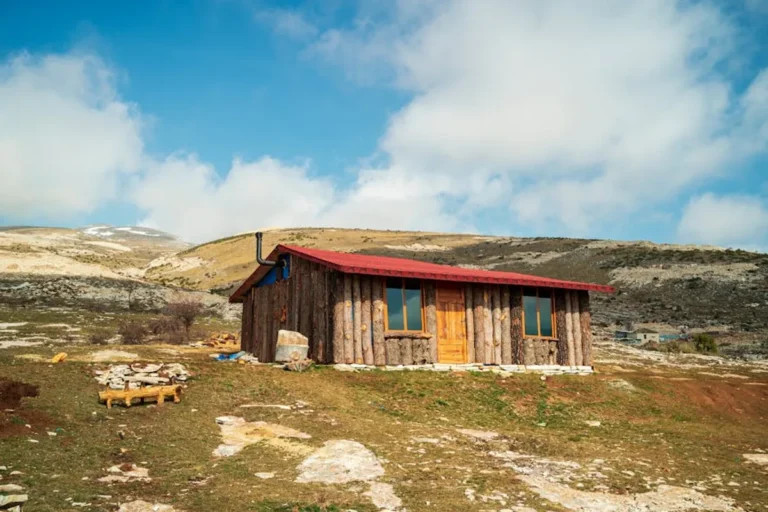

Wood siding offers a classic aesthetic and natural insulation, but its longevity and appearance depend entirely on consistent, informed maintenance. Unlike synthetic materials, wood is organic and susceptible to moisture, pests, and UV degradation. Neglecting these factors leads to costly repairs, diminished curb appeal, and potentially structural issues. Understanding the specific actions required to protect this investment is crucial for any property owner.
Establishing a Regular Cleaning Schedule
Annual cleaning is the foundational step in wood siding maintenance. This process removes dirt, mildew, algae, and pollen, which can trap moisture against the wood surface and accelerate decay. A clean surface also ensures that any protective coatings, like paint or stain, adhere properly and last longer.
For most residential applications, a soft-bristle brush, a garden hose, and a mild cleaning solution are sufficient. A mixture of water and a non-phosphate detergent, or an oxygen bleach solution (diluted according to manufacturer instructions), works effectively to remove organic growth without damaging the wood fibers. Apply the solution from the bottom up to prevent streaking, allow it to dwell for 10-15 minutes (without drying), then rinse thoroughly from the top down.
Pressure Washing Considerations
While a pressure washer can expedite cleaning, it requires careful execution. High pressure can gouge wood, force water behind the siding, and damage the protective finish. If using a pressure washer, select a wide-angle nozzle (e.g., 25-40 degrees), keep the pressure below 1500 PSI, and maintain a distance of at least 12-18 inches from the siding. Always work with the grain of the wood and perform a test on an inconspicuous area first.
Pro Tip: Never direct a pressure washer stream upwards at the siding. This forces water into lap joints and behind the panels, leading to unseen moisture damage, mold growth, and potential structural rot within the wall cavity.
Effective Moisture Management
Water is the primary enemy of wood siding. Proper moisture management prevents rot, swelling, and the proliferation of mildew and fungi. This involves both external drainage and internal sealing. Proper maintenance also involves preventing wood decay to ensure the siding lasts.
- Gutters and Downspouts: Ensure all gutters are free of debris and properly sloped to direct water away from the house. Downspouts should extend at least 5-10 feet from the foundation. Clogged or improperly routed gutters can cause water to cascade directly onto siding, saturating the wood.
- Vegetation Clearance: Trim trees, shrubs, and other plants so they do not touch the siding. Vegetation traps moisture against the wood, impedes air circulation, and can harbor insects. Maintain a minimum clearance of 6-12 inches.
- Ground Clearance: Ensure the bottom edge of the siding is at least 6-8 inches above grade. This prevents splash-back from rain and contact with ground moisture, which can wick up into the wood.
Sealing and Caulking
Inspect all joints, seams, and penetrations (around windows, doors, pipes, and utility lines) for cracked, missing, or deteriorated caulk. These gaps allow water to penetrate behind the siding. Remove old, failing caulk and apply a high-quality, paintable exterior sealant, such as an acrylic latex or polyurethane caulk. Pay particular attention to corners and where siding meets trim boards.
Pest and Rot Prevention Strategies
Wood siding is vulnerable to wood-boring insects and fungal rot. Regular inspections are critical for early detection and remediation.
Identifying Rot: Look for soft, spongy areas, discoloration (darkening or white fungal growth), or a musty odor. Probe suspect areas with a screwdriver; healthy wood will be firm. Rot often starts in areas with persistent moisture, like near ground contact, leaky gutters, or unsealed joints.
Identifying Pests: Small, perfectly round holes (powderpost beetles), larger irregular tunnels (carpenter ants), or mud tubes (termites) indicate active infestations. Sawdust-like frass near holes is another sign of wood-boring insects.
For minor rot or insect damage, the affected section can often be cut out and replaced with new wood, treated with a wood hardener, or filled with epoxy. For extensive damage or active infestations, professional pest control and structural repair may be necessary.
Refinishing and Sealing for Protection
The protective coating on wood siding—whether paint, stain, or clear sealant—is the primary defense against UV radiation, moisture, and biological growth. Its condition dictates the wood's longevity.
When to Refinish:
Paint: Look for peeling, blistering, cracking, or significant fading. High-quality exterior paint typically lasts 5-10 years, depending on climate and exposure.
Stain: Semi-transparent stains typically fade and need reapplication every 2-5 years. Solid stains, offering more pigment, last longer, often 3-7 years. Signs include fading, uneven color, or water no longer beading on the surface.
Clear Sealant: These offer the least protection and typically require reapplication every 1-3 years, or when water no longer beads.
Preparation and Application
Proper surface preparation is paramount for successful refinishing. This involves:
- Thorough cleaning to remove dirt, mildew, and loose material.
- Scraping away all peeling paint or stain.
- Sanding rough areas or feathering edges for a smooth transition.
- Repairing any cracks or holes with appropriate wood filler.
- Priming bare wood before painting to ensure adhesion and uniform finish.
Apply paint or stain according to manufacturer instructions, typically in two thin coats for optimal durability and appearance. Use high-quality brushes, rollers, or sprayers designed for exterior coatings. Ensure adequate drying time between coats and before exposure to rain.
Addressing Repairs and Replacements
Even with diligent maintenance, individual siding boards can sustain damage from impact, severe weather, or localized decay. Prompt repair prevents minor issues from escalating.
For Cracks and Splits: Small cracks can often be filled with exterior-grade wood filler and then painted or stained to match. Larger splits may require a wood epoxy repair.
For Loose Boards: Re-secure loose boards with rust-resistant siding nails or screws. Ensure they penetrate into the wall studs for a firm hold.
For Damaged Sections: If a section of siding is severely rotted, warped, or split beyond repair, it's best to replace the entire board or a section of it. Carefully cut out the damaged piece, ensuring not to damage adjacent boards. Install a new piece of matching siding, prime and paint/stain it to blend seamlessly with the existing finish.
Sustaining Your Siding's Integrity
Maintaining wood siding is an ongoing commitment, not a one-time task. Regular inspections, proactive cleaning, and timely repairs protect your property's exterior, preserve its aesthetic appeal, and prevent expensive overhauls. By adhering to a consistent maintenance schedule, you extend the lifespan of your wood siding and safeguard your investment against environmental wear.
Frequently Asked Questions
How often should wood siding be maintained?
Annual cleaning is recommended, along with a thorough inspection. Refinishing schedules vary by product type: paints typically last 5-10 years, solid stains 3-7 years, and semi-transparent stains 2-5 years.
What are the earliest signs of wood rot?
Early signs include discoloration (darkening or white fungal growth), a musty odor, and wood that feels unusually soft or spongy when probed. Rot often begins in areas with prolonged moisture exposure.
Can I pressure wash wood siding safely?
Yes, but with caution. Use a low-pressure setting (under 1500 PSI) and a wide-angle nozzle (25-40 degrees), keeping the wand at least 12-18 inches from the surface. Avoid spraying upwards to prevent water intrusion behind the siding.
What's the difference between paint and stain for wood siding?
Paint forms an opaque film on the wood surface, completely covering the grain and offering the highest level of UV and moisture protection. Stain penetrates the wood, allowing some or all of the wood grain to show through, providing less film-forming protection but often a more natural appearance.