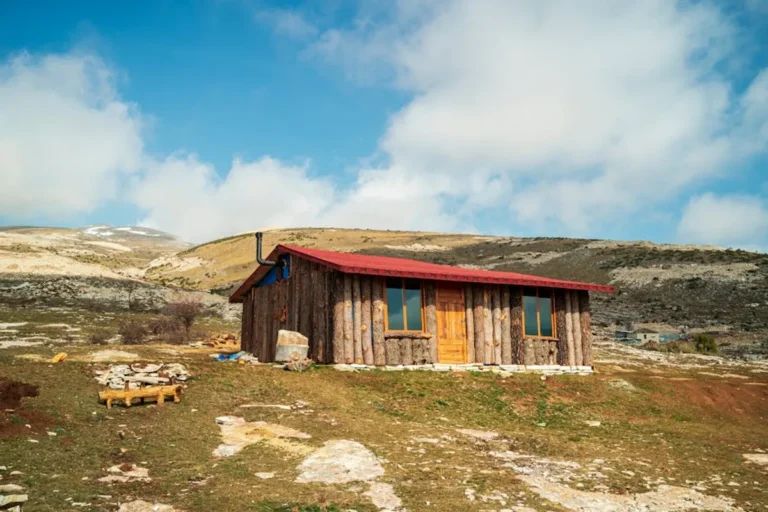

Protecting a cabin from environmental stressors is a critical investment in its longevity, structural integrity, and energy efficiency. Without adequate weatherproofing, a cabin risks significant damage from moisture, extreme temperatures, pests, and UV radiation, leading to costly repairs, diminished comfort, and reduced property value. Effective weatherproofing creates a durable barrier against these elements, ensuring the cabin remains a comfortable, safe, and energy-efficient retreat for years.
Assessing Vulnerability: Key Areas for Cabin Protection
A comprehensive weatherproofing strategy begins with identifying the cabin's most exposed and susceptible components. Each area presents unique challenges and requires specific protective measures to form a continuous, resilient barrier against the elements.
Foundation and Skirting
The base of any cabin is its first line of defense against ground moisture, pests, and air infiltration. Issues here can lead to widespread problems throughout the structure.
- Moisture Management: Ensure proper grading around the cabin to direct water away from the foundation. Install or verify the functionality of perimeter drains and ensure downspouts extend several feet from the foundation.
- Sealing Gaps: Inspect the foundation and skirting for cracks, gaps, or openings. These are common entry points for rodents, insects, and cold air. Fill small cracks with concrete caulk and larger openings with mortar or expanding foam.
- Vapor Barrier: In crawl spaces, a heavy-duty vapor barrier (typically 6-mil polyethylene) laid across the ground prevents moisture from rising and condensing on floor joists, mitigating rot and mold.
Walls and Siding
The exterior walls bear the brunt of wind, rain, and sun. Their condition directly impacts the cabin's internal climate and structural health.
Log Cabins: Focus on chinking and caulking. Traditional chinking (mortar-like material) or modern synthetic chink provides flexible seals between logs. Inspect these annually for cracks or detachment and repair promptly.
Sided Cabins: Check siding panels for warping, loose fasteners, or damage. Replace compromised sections to prevent water intrusion. Ensure all seams and corners are properly flashed and sealed with high-quality exterior caulk.
Wood Treatment: Apply appropriate stains, sealants, or preservatives to bare wood surfaces. These protect against UV degradation, moisture absorption, and fungal growth. Reapply according to manufacturer specifications, typically every 3-5 years.
Roofing System
The roof is the primary shield against precipitation and extreme temperatures. Neglecting its condition can lead to leaks, rot, and significant interior damage.
Shingle Integrity: Regularly inspect shingles for curling, cracking, missing pieces, or granule loss. These indicate wear and potential leak points. Replace damaged shingles immediately.
Flashing: Pay close attention to flashing around chimneys, vents, skylights, and valleys. This metal or rubber material directs water away from vulnerable intersections. Ensure it is securely attached and free of corrosion or gaps.
Gutters and Downspouts: Keep gutters clear of debris to ensure proper water flow away from the roof and foundation. Clogged gutters can cause water to back up, leading to fascia damage, ice dams in winter, and foundation issues.
Attic Ventilation: Proper attic ventilation (soffit and ridge vents) is crucial for preventing heat buildup in summer and moisture accumulation in winter. This reduces energy costs and extends roof life.
Windows and Doors
These openings are frequent sources of air leaks and heat loss if not properly sealed and insulated.
Weatherstripping: Apply or replace weatherstripping around the perimeters of windows and doors. This flexible material creates a tight seal when closed, blocking drafts. Common types include foam, V-strip, and tubular vinyl.
Caulking: Seal all gaps between window/door frames and the exterior wall with a high-quality, flexible exterior caulk. This prevents water and air infiltration.
Storm Windows/Doors: Consider installing storm windows or doors for an additional layer of insulation and draft protection, particularly in older cabins with single-pane windows.
Pro Tip: Conduct a "smoke test" on a windy day to detect subtle air leaks around windows and doors. Light an incense stick and hold it near potential draft sources; if the smoke wavers or is drawn inward, you have an air leak that needs sealing.
Overall Insulation and Ventilation
Beyond specific openings, the cabin's entire thermal envelope and airflow must be managed for optimal weatherproofing.
Wall, Floor, and Ceiling Insulation: Ensure adequate insulation levels in walls, floors, and ceilings (attic). Consult local building codes for recommended R-values. Upgrading insulation can drastically reduce energy consumption.
Vapor Barriers: Install vapor barriers on the warm side of insulation in walls and ceilings to prevent moisture migration and condensation within the wall cavity.
Crawl Space/Attic Ventilation: Maintain clear, unobstructed vents in crawl spaces and attics to prevent moisture buildup and regulate temperature extremes, which can lead to mold, rot, and ice dams.
Ensuring Cabin Longevity Through Proactive Maintenance
Weatherproofing is not a one-time task but an ongoing commitment. Regular inspection and timely intervention are paramount to maintaining a cabin's protective shell.
Establish an annual inspection routine, ideally in both spring and fall. Look for signs of wear, damage, or new vulnerabilities in all the areas discussed. Address minor issues promptly before they escalate into significant problems. This proactive approach saves money on major repairs, preserves the cabin's structural integrity, and ensures it remains a comfortable and efficient space regardless of external conditions.
Frequently Asked Questions About Cabin Weatherproofing
How often should a cabin's exterior wood be re-sealed or re-stained?
The frequency depends on the product used, exposure to elements, and wood type. Generally, exterior wood stains and sealants should be reapplied every 3 to 5 years. Inspect annually for signs of fading, peeling, or water absorption to determine the precise timing.
What is the most critical area to weatherproof for overall cabin protection?
While all areas are important, the roof and foundation are arguably the most critical. The roof protects against direct water intrusion from above, and the foundation safeguards against ground moisture and structural instability. Compromises in either can lead to widespread and expensive damage.
Can an old cabin be effectively weatherproofed, or is it too late?
Yes, older cabins can be effectively weatherproofed, often with significant benefits. The process might involve more extensive work, such as replacing old windows, upgrading insulation, or re-chinking logs, but the improvements in energy efficiency, comfort, and structural preservation are usually substantial and worthwhile.
What are common signs that a cabin needs better weatherproofing?
Key indicators include noticeable drafts near windows and doors, higher-than-expected energy bills, water stains on ceilings or walls, a musty odor in crawl spaces or attics, visible cracks in the foundation or exterior walls, and pest infestations. These signs suggest compromised barriers that require attention.