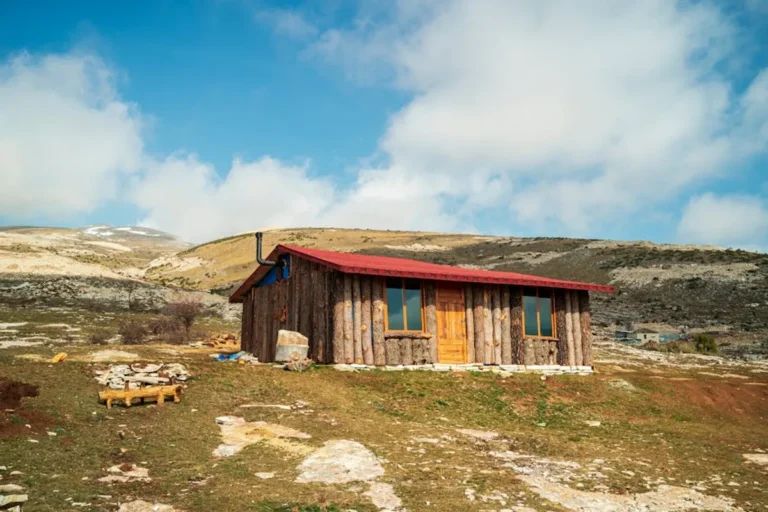
The decision to build or acquire an off-grid cabin represents a significant commitment to self-sufficiency, resource management, and a distinct lifestyle. It moves beyond the romantic ideal of escape, demanding a practical understanding of how to independently generate power, source and manage water, process waste, and maintain comfortable living conditions without reliance on public utilities. This guide outlines the core considerations and systems necessary to transition from concept to a functional, sustainable off-grid cabin.
Understanding Off-Grid Living for Cabins
True off-grid living means complete independence from municipal services. For a cabin, this translates into self-contained solutions for electricity, water, and waste. It requires a proactive approach to resource conservation and system maintenance, fundamentally altering daily routines compared to grid-connected homes.
- Power: Generating your own electricity, typically through solar, wind, or micro-hydro, often combined with battery storage.
- Water: Sourcing, filtering, and storing potable water, usually from rainwater harvesting or a private well.
- Waste: Managing wastewater (greywater and blackwater) and solid waste without municipal sewer or trash services.
- Heating/Cooling: Implementing passive design principles and independent heating sources like wood stoves or propane.
Site Selection and Permitting: The Foundation
The success of an off-grid cabin often hinges on careful initial planning. Site selection dictates potential for solar gain, water access, and ease of construction. Local zoning and building codes are non-negotiable; ignoring them can lead to significant legal and financial penalties.
Land Assessment: Evaluate properties for southern exposure (critical for solar), potential water sources (springs, streams, groundwater depth), terrain for septic or greywater fields, and accessibility for construction and maintenance. Consider tree cover, which can block solar access or pose fire risks.
Zoning and Local Regulations: Research county and municipal ordinances thoroughly. Some areas have minimum square footage requirements, restrictions on alternative waste systems (like composting toilets), or specific setback rules. Verify if off-grid structures are even permitted in your desired zone.
Permit Navigation: Expect to apply for various permits, including building permits, well drilling permits, and potentially septic system permits, even for alternative waste solutions. Engaging with local building departments early provides clarity on requirements and prevents costly delays.
Pro Tip: Before purchasing land, secure a pre-application meeting with local planning and zoning departments. Present your off-grid cabin concept and ask specific questions about allowable power, water, and waste systems. This proactive step can reveal critical restrictions or unexpected requirements before you commit financially.
Developing Self-Sufficient Power Systems
Electricity is often the most complex utility to manage independently. A robust off-grid power system typically integrates multiple components.
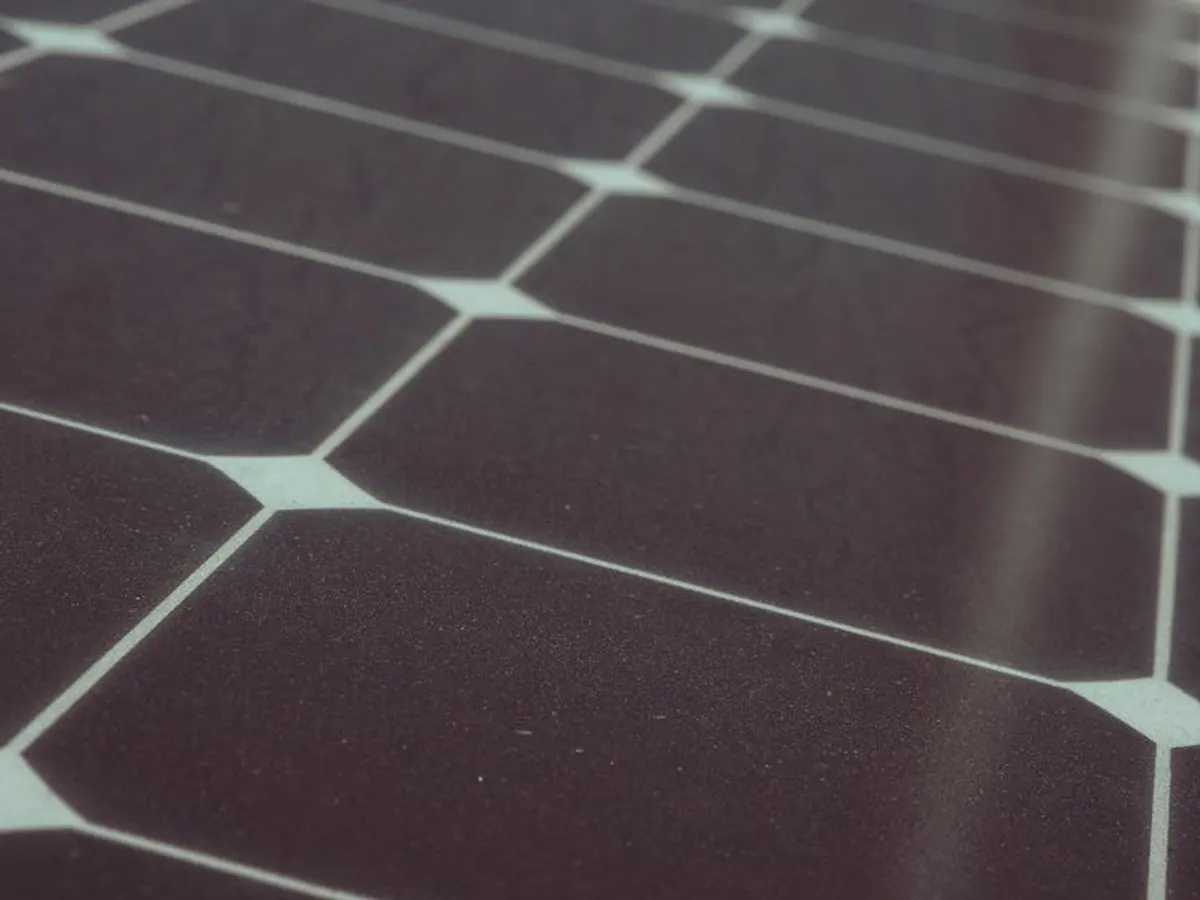
Solar Photovoltaic (PV): This is the most common off-grid power source. A typical system includes solar panels, a charge controller, a battery bank for energy storage, and an inverter to convert DC power to AC for appliances. Proper sizing requires a detailed load calculation, accounting for all anticipated electrical usage.
Wind Power: Viable in locations with consistent, strong winds. Wind turbines can supplement solar, particularly during winter months or cloudy periods. They require careful siting to avoid obstructions and ensure efficiency.
Micro-Hydro: If your property has a consistent, year-round stream with sufficient flow and drop, micro-hydro can provide continuous power. These systems are highly efficient but site-specific and often require significant upfront engineering.
Backup Generators: A diesel or propane generator provides essential redundancy for extended periods of low solar/wind production or system maintenance. Integrate it with an automatic transfer switch for seamless operation.
Integrated Water Management Strategies
Access to clean water is paramount. Off-grid cabins rely on independent water sources and purification methods.
Rainwater Harvesting: Collecting rainwater from a cabin's roof into large cisterns is a common and effective method. The system requires appropriate gutters, leaf screens, first-flush diverters, and multi-stage filtration (sediment, carbon, UV sterilization) to ensure potable water.
Well Drilling: If groundwater is accessible, a private well can provide a reliable water source. This involves drilling, installing a pump (often solar-powered for off-grid applications), and potentially a pressure tank and filtration system for mineral removal or purification.
Greywater Systems: Water from sinks, showers, and laundry (non-toilet waste) can be diverted for irrigation of non-edible plants. This reduces demand on your primary water source and minimizes wastewater discharge, but requires careful design to prevent odor and pathogen issues.
Effective Waste Stream Management
Managing human waste and other refuse without municipal services requires thoughtful planning.
Composting Toilets: These systems break down human waste into a usable compost material, eliminating the need for a septic tank and reducing water consumption. They require proper ventilation and regular emptying of the composted material.
Septic Systems: If composting toilets are not preferred or permitted, a conventional or alternative septic system may be necessary. This requires a drain field and soil percolation tests to ensure the land can adequately absorb treated wastewater.
Solid Waste and Recycling: Off-grid living encourages minimizing waste. Establish a system for separating recyclables and composting organic kitchen waste. Non-compostable, non-recyclable waste will need to be transported to a transfer station or landfill.
Heating and Cooling for Year-Round Comfort
Maintaining comfortable interior temperatures without grid power relies on smart design and efficient heating sources.
Passive Solar Design: Orienting the cabin to maximize winter solar gain through south-facing windows and using thermal mass materials (concrete, stone) to absorb and slowly release heat. Overhangs can block high summer sun, preventing overheating.
Wood Stoves and Biomass Heaters: A high-efficiency wood stove is a common and effective primary heat source for off-grid cabins, especially where firewood is abundant. Pellet stoves offer automation but require electricity for their fans and augers.
Insulation and Air Sealing: High R-value insulation in walls, ceilings, and floors, combined with meticulous air sealing, dramatically reduces heat loss in winter and heat gain in summer, lowering overall energy demand.
Construction Materials and Durability
Material choices impact not only the cabin's longevity but also its energy efficiency and maintenance requirements.
Material Selection: Opt for durable, low-maintenance materials that can withstand local climate conditions. Consider local sourcing to reduce transportation costs and environmental impact. High-performance windows and doors are critical for thermal efficiency.
Foundation Types: Pier foundations are common in remote areas due to easier installation. Slab-on-grade foundations offer thermal mass benefits. A full basement provides storage and protection but increases excavation and material costs.
Budgeting and Phased Development
An off-grid cabin is a significant investment. Realistic budgeting and a phased approach can make the project more manageable.
Initial Investment Costs: These include land acquisition, permits, site preparation (road access, clearing), foundation, shell construction, and the core utility systems (solar, well, septic/compost). These often represent the largest upfront expenses.
Operational Expenses: Account for ongoing costs such as fuel for generators, maintenance for all systems, water filters, and consumables. These are typically lower than grid-connected homes but still require budgeting.
Phased Approach: Many off-grid cabin owners build in stages. Start with a weather-tight shell and essential utilities, then gradually add interior finishes, secondary power sources, or more advanced systems as budget and time allow.
Embracing Self-Sufficiency: Final Preparations
Beyond the physical structure, successful off-grid living requires developing specific skills and a resilient mindset.
Skill Development: Learn basic maintenance and troubleshooting for your power, water, and waste systems. Understanding how to manage your energy consumption, conserve water, and identify potential issues before they become major problems is crucial.
Emergency Preparedness: Redundancy in critical systems (e.g., a hand pump for the well, a backup generator, extra water filters) and a well-stocked supply of essentials are vital. Plan for communication in remote areas, as cell service may be unreliable.
Community Integration: While off-grid implies independence, knowing local resources, tradespeople, and neighbors can provide invaluable support, especially in emergencies or for specialized repairs.
Frequently Asked Questions
Is off-grid living legal everywhere?
No. Legalities vary significantly by jurisdiction. Some areas actively support off-grid living with flexible codes, while others have strict regulations regarding building permits, waste disposal, and utility connections that make true off-grid operation challenging or illegal. Always research local ordinances thoroughly.
How much does an off-grid cabin cost?
Costs vary widely based on size, location, material choices, and the complexity of utility systems. A basic, small off-grid cabin might start from $50,000 for materials and systems, excluding land, while a larger, more elaborate build can easily exceed $200,000. Land, permits, and site preparation are significant additional expenses.
How long do off-grid systems last?
Lifespans vary by component: solar panels typically last 25-30 years, deep-cycle batteries 5-15 years depending on type and maintenance, inverters 10-15 years, and well pumps 10-20 years. Regular maintenance and proper usage are critical for maximizing the longevity of all systems.
What are the biggest challenges of off-grid living?
Key challenges include managing resource fluctuations (e.g., cloudy days impacting solar), the ongoing maintenance and troubleshooting of complex systems, initial setup costs, and the need for self-reliance in situations where external support is not readily available. Adapting to a more resource-conscious lifestyle is also a significant adjustment.