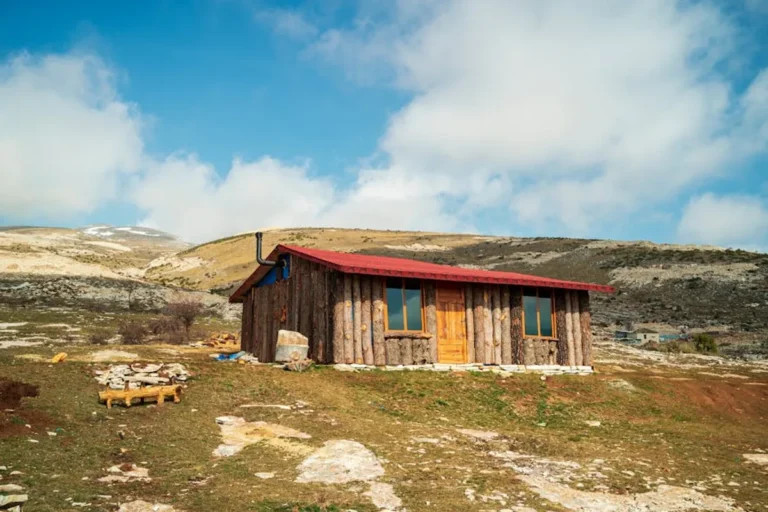
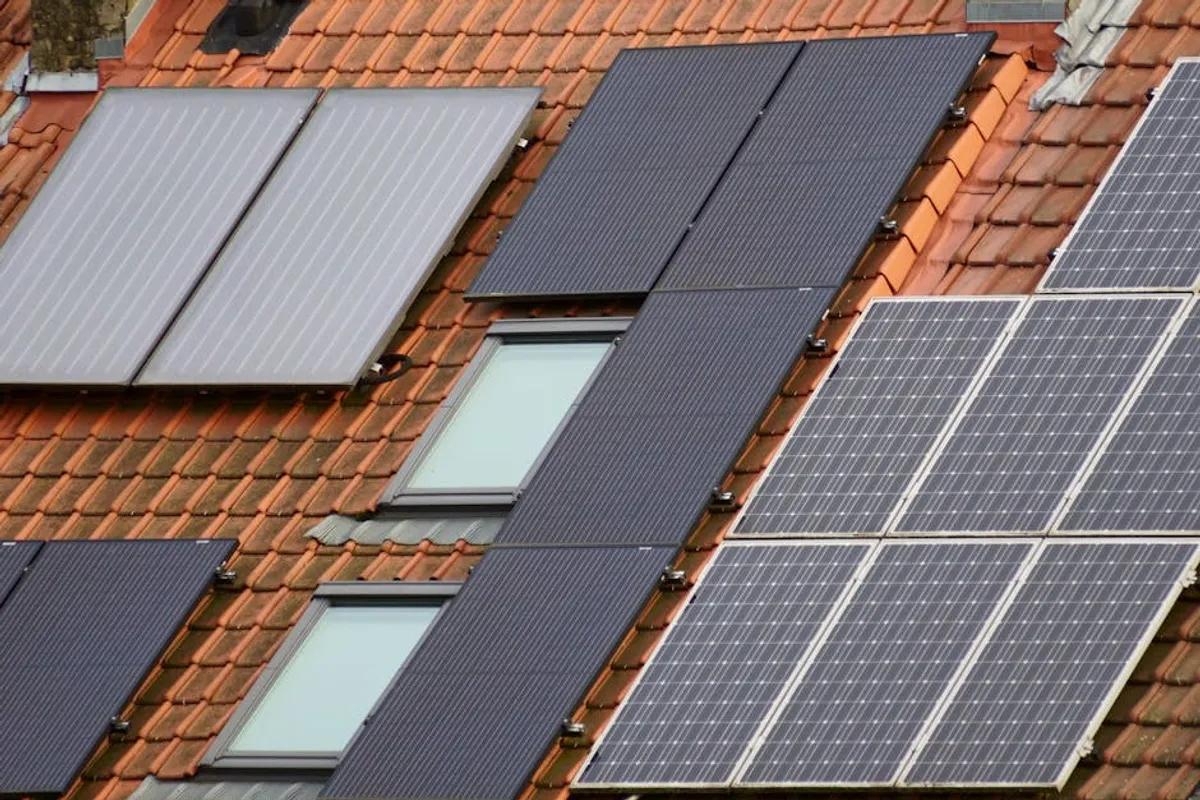
Selecting the appropriate roofing for a wood home requires a nuanced understanding of material properties, structural capabilities, and regional climate factors. Unlike masonry or steel-framed structures, wood homes often present specific considerations related to weight load, fire resistance, and ventilation. The decision impacts not only the aesthetic appeal but also the long-term integrity, energy efficiency, and maintenance burden of the entire property. This guide outlines popular roofing materials, detailing their advantages and disadvantages in the context of wood home construction, to inform a commercially sound and structurally responsible choice.
Key Considerations for Wood Home Roofing
Before evaluating specific materials, it is critical to assess the unique demands of a wood structure. These factors directly influence material suitability and installation requirements.
- Structural Weight Capacity: Wood framing, particularly in older homes, may have limitations on the maximum weight it can support. Heavier materials like slate or tile often require additional structural reinforcement, adding to project costs.
- Fire Resistance: Wood is combustible. Selecting roofing materials with a Class A fire rating, or treating wood-based roofing to achieve a higher rating, significantly enhances safety and can impact insurance premiums.
- Ventilation and Moisture Management: Proper attic ventilation is crucial for wood homes to prevent moisture buildup, which can lead to rot, mold, and pest infestations. The roofing system must allow for adequate airflow while preventing water intrusion.
- Aesthetics and Architectural Harmony: The roof comprises a significant visual portion of a home. The material, color, and profile should complement the wood home's architectural style, whether it's a rustic cabin, a traditional craftsman, or a modern design.
- Durability and Lifespan: Consider the expected lifespan of the material versus the desired longevity for the home. Longer-lasting materials typically have higher upfront costs but offer lower lifecycle costs due to reduced replacement frequency.
- Maintenance Requirements: Some roofing materials demand more frequent cleaning, inspections, or repairs to maintain their performance and appearance, influencing long-term ownership costs.
Common Roofing Material Options for Wood Homes
Asphalt Shingles: Balancing Cost and Performance
Asphalt shingles remain the most common roofing material in North America due to their cost-effectiveness and versatility. They consist of a fiberglass mat coated with asphalt and ceramic granules.
Advantages:
- Affordability: Generally the lowest initial cost per square foot for both materials and installation.
- Versatility: Available in a wide array of colors and styles, including architectural shingles that mimic the look of wood shakes or slate.
- Fire Resistance: Many asphalt shingles achieve a Class A fire rating, offering robust protection for wood structures.
- Ease of Installation: Relatively straightforward installation process, reducing labor costs and project timelines.
Disadvantages:
- Lifespan: Typically 15-30 years, shorter than many other options, leading to more frequent replacement cycles.
- Aesthetic Limitations: While versatile, they may not offer the natural or premium aesthetic desired for certain high-end wood homes.
- Wind Resistance: Can be susceptible to damage in high winds if not properly installed or if the adhesive strips fail over time.
Best for: Budget-conscious homeowners seeking reliable performance, good fire protection, and a wide selection of colors to match various wood home styles.
Metal Roofing: Durability and Modern Appeal
Metal roofing, including standing seam, corrugated, and metal shingle profiles, has gained significant popularity for its durability and distinct appearance. Materials include steel, aluminum, copper, and zinc.
Advantages:
- Longevity: Expected lifespan of 40-70 years, often outperforming other materials.
- Fire Resistance: Non-combustible, offering superior Class A fire protection, which is a significant benefit for wood homes.
- Lightweight: Lighter than tile or slate, often requiring no additional structural reinforcement.
- Energy Efficiency: Reflects solar radiant heat, potentially reducing cooling costs.
- Weather Resistance: Excellent performance against high winds, heavy snow, and hail.
Disadvantages:
- Upfront Cost: Higher initial material and installation costs compared to asphalt shingles.
- Noise: Can be louder during heavy rain or hail, though insulation and decking can mitigate this.
- Aesthetics: The metallic look may not suit all traditional wood home designs.
Best for: Homeowners prioritizing long-term durability, superior fire protection, and energy efficiency, or those seeking a modern or rustic industrial aesthetic for their wood home.
Pro Tip: When considering metal roofing for a wood home, ensure the chosen material and finish include a high-quality Kynar 500® or Hylar 5000® resin-based coating. These coatings provide exceptional UV resistance, preventing fading and chalking over decades, which is crucial for maintaining the roof's aesthetic and protective qualities in varying climates.
Wood Shakes and Shingles: Classic Charm with Specific Demands
Wood shakes (split) and shingles (sawn) offer a classic, natural aesthetic that complements many wood homes. Common materials include cedar, redwood, and cypress.
Advantages:
- Aesthetics: Unmatched natural beauty and texture that harmonizes perfectly with wood construction.
- Insulation: Provides a degree of natural insulation, contributing to energy efficiency.
- Sustainability: A renewable resource when sourced from sustainably managed forests.
Disadvantages:
- Fire Resistance: Naturally combustible, often requiring fire-retardant treatments to meet building codes, which adds cost and requires reapplication.
- Maintenance: Requires regular cleaning to prevent moss, algae, and mildew growth, and periodic treatment to extend lifespan.
- Lifespan: Typically 20-30 years, shorter than metal or tile, and highly dependent on climate and maintenance.
- Cost: Higher than asphalt shingles, both for materials and specialized installation.
Best for: Homeowners seeking authentic, traditional aesthetics for craftsman, rustic, or historic wood homes, who are prepared for the higher initial cost and ongoing maintenance requirements.
Tile Roofing (Clay and Concrete): Heavy-Duty and Distinctive
Tile roofs, made from clay or concrete, are known for their exceptional longevity and distinctive Mediterranean, Spanish, or Southwestern appearance.
Advantages:
- Longevity: Can last 50-100 years or more with proper installation and maintenance.
- Fire Resistance: Non-combustible, providing excellent Class A fire protection.
- Durability: Highly resistant to insects, rot, and extreme weather conditions.
- Thermal Mass: Offers good insulation properties, helping regulate indoor temperatures.
Disadvantages:
- Weight: Very heavy, often requiring significant structural reinforcement, which adds substantial cost and complexity to installation on existing wood homes.
- Upfront Cost: Among the highest initial material and installation costs.
- Fragility: Tiles can be brittle and prone to breakage from impact, requiring careful handling and maintenance.
Best for: Wood homes with robust structural design or those undergoing extensive renovation, where a long-lasting, fire-resistant, and aesthetically specific roof is desired, typically in warmer climates.
Slate Roofing: Unrivaled Longevity and Premium Aesthetics
Natural slate is a premium roofing material renowned for its unparalleled lifespan, natural beauty, and inherent durability.
Advantages:
- Longevity: Can last 75-200 years, making it a "lifetime" roof.
- Aesthetics: Offers a unique, sophisticated appearance with natural variations in color and texture.
- Fire Resistance: Non-combustible, providing superior Class A fire protection.
- Low Maintenance: Extremely durable and resistant to rot, insects, and extreme weather.
Disadvantages:
- Weight: The heaviest roofing material, demanding substantial structural reinforcement, often making it impractical for many existing wood homes without major structural upgrades.
- Cost: The highest initial material and installation cost, requiring specialized installers.
- Fragility: While durable, individual slates can be brittle and break if walked on improperly or struck by heavy objects.
Best for: High-end, historic, or custom-built wood homes designed with the structural capacity for slate, where the highest level of longevity, aesthetic prestige, and fire protection are paramount, and budget is not the primary constraint.
Making an Informed Roofing Decision
The choice of roofing material for a wood home is a long-term investment that influences safety, aesthetics, and overall property value. Begin by assessing your home's current structural capacity and local building codes, especially concerning fire ratings. Obtain detailed quotes from multiple qualified roofing contractors, ensuring they specify material grades, installation methods, and warranty information. Consider the long-term cost of ownership, factoring in durability, maintenance, and potential energy savings. A thorough evaluation of these elements will guide you toward a roofing solution that provides optimal protection and complements your wood home for decades.
Frequently Asked Questions About Roofing for Wood Homes
What is the most fire-resistant roofing option for a wood home?
Metal, clay tile, concrete tile, and natural slate roofing materials are inherently non-combustible and typically achieve a Class A fire rating, offering the highest level of fire resistance for wood homes. Asphalt shingles can also achieve a Class A rating with specific compositions.
Do I need to reinforce my wood home's structure for a new roof?
It depends on the weight of the chosen roofing material. Heavier options like natural slate, clay, or concrete tiles often require significant structural reinforcement to the roof deck and framing. Lighter materials like asphalt shingles or metal roofing typically do not require such upgrades, but a professional structural assessment is always recommended.
How does climate affect roofing choices for wood homes?
Climate significantly impacts material performance. In areas with heavy snow, metal roofs are advantageous for shedding snow. Hot climates benefit from reflective metal or thermally massive tile roofs. Regions prone to high winds require materials with strong fastening systems and high wind ratings. Wood shakes/shingles are less suitable for very damp climates due to increased risk of moss and rot.
What is the typical lifespan of different roofing materials on a wood home?
Asphalt shingles generally last 15-30 years. Wood shakes and shingles typically last 20-30 years with proper maintenance. Metal roofs often last 40-70 years. Clay, concrete tile, and natural slate roofs can last 50-100 years or even longer, depending on the material and installation quality.