Modern family homes increasingly prioritize sustainability, moving beyond mere energy efficiency to encompass a holistic approach to design, construction, and operation. This shift reflects growing environmental consciousness alongside a practical desire for reduced utility costs, enhanced indoor comfort, and long-term property value. For homeowners considering new construction or significant renovations, integrating sustainable building ideas means making deliberate choices about materials, energy systems, water management, and indoor air quality. These decisions impact not only the ecological footprint of a home but also its livability and economic performance over decades, offering tangible benefits that extend from monthly savings to a healthier living environment.
Foundational Principles of Sustainable Home Design
Sustainable home design begins with fundamental planning that leverages natural elements and smart material choices to minimize environmental impact and maximize efficiency from the outset. This initial phase dictates much of a home's long-term performance.
Passive Design Strategies
Passive design harnesses natural energy flows—sun, wind, and shade—to regulate indoor temperatures and lighting, reducing reliance on mechanical systems. Key considerations include orienting the home to maximize winter solar gain and minimize summer heat, often through south-facing windows with appropriate shading. Strategic placement of windows and vents facilitates cross-ventilation, naturally cooling spaces. Thermal mass materials, such as concrete slabs or stone, absorb and release heat slowly, stabilizing indoor temperatures throughout the day and night. This approach minimizes the energy needed for heating and cooling, directly impacting utility bills and carbon emissions.
Material Selection for Durability and Low Impact
Choosing building materials involves evaluating their entire lifecycle, from extraction and manufacturing to transport, installation, and eventual disposal. Sustainable materials often feature:
- Recycled Content: Materials like recycled steel, reclaimed timber, or composite decking made from recycled plastics reduce demand for virgin resources and divert waste from landfills.
- Local Sourcing: Utilizing materials manufactured or extracted within a close radius reduces transportation-related emissions and supports local economies.
- Rapidly Renewable Resources: Bamboo, cork, and straw bales are examples of materials that regenerate quickly, offering alternatives to slow-growing timber or resource-intensive products.
- Low Volatile Organic Compound (VOC) Products: Paints, sealants, and adhesives with low or zero VOCs contribute to healthier indoor air quality by reducing the release of harmful chemicals.
- Durability and Longevity: Selecting robust materials that require less frequent replacement reduces waste and the energy associated with manufacturing new components over the home's lifespan.
Energy Efficiency and Renewable Systems
Optimizing a home's energy consumption is central to sustainable building, focusing on both reducing demand and generating power from clean sources.
Advanced Insulation and Airtightness
A well-insulated and airtight building envelope is critical for minimizing heat loss in winter and heat gain in summer. High R-value insulation in walls, roofs, and floors significantly reduces thermal transfer. Techniques for achieving airtightness, such as meticulous sealing of gaps and cracks, prevent uncontrolled air leakage, which can account for a substantial portion of energy waste. Addressing thermal bridges—points where insulation is interrupted, allowing heat to escape—further enhances the envelope's performance, ensuring consistent indoor temperatures with less energy input.
On-site Renewable Energy Generation
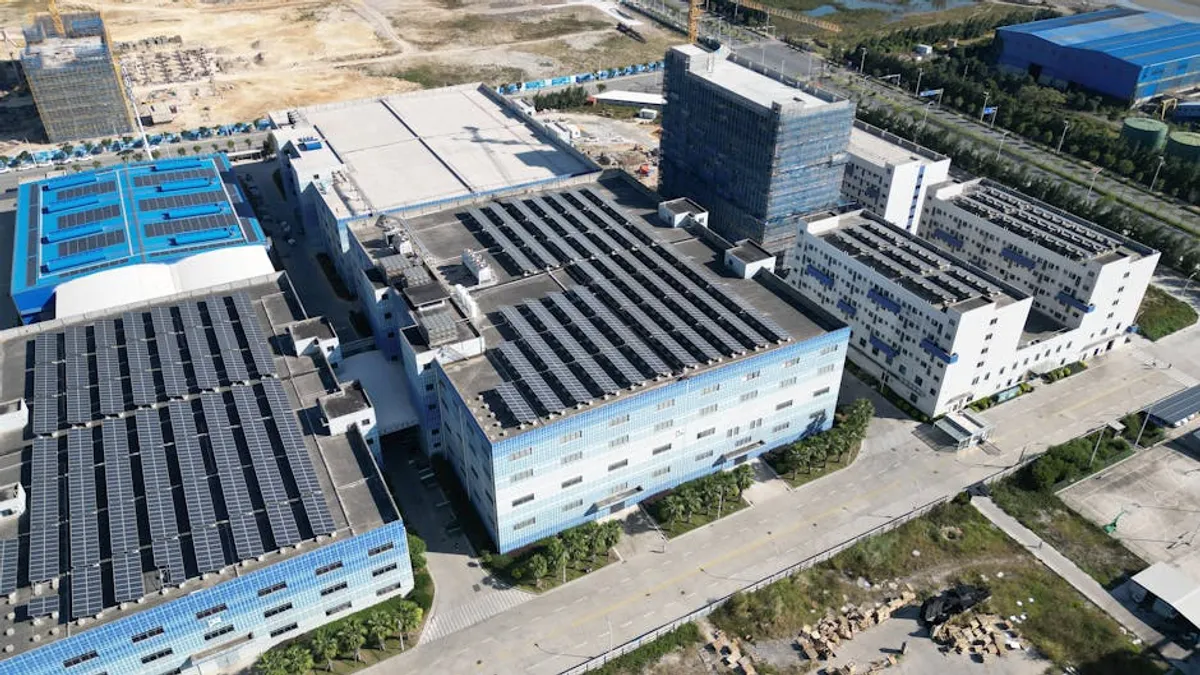
Integrating renewable energy systems can dramatically reduce or even eliminate a home's reliance on grid electricity. Photovoltaic (PV) solar panels convert sunlight directly into electricity, often allowing homeowners to feed excess power back into the grid. Solar thermal systems use sunlight to heat water for domestic use, offsetting the energy demand of traditional water heaters. Geothermal heat pumps leverage the stable temperature of the earth to provide highly efficient heating and cooling, offering significant long-term energy savings despite a higher initial investment.
High-Efficiency Appliances and Lighting
Everyday appliances and lighting contribute significantly to household energy consumption. Opting for ENERGY STAR certified appliances, which meet strict energy efficiency guidelines, can reduce electricity use by 10-50% compared to standard models. Replacing incandescent bulbs with LED lighting drastically cuts electricity demand for illumination, as LEDs consume up to 90% less energy and have a much longer lifespan. Smart home systems can further optimize energy use by automating lighting, heating, and cooling based on occupancy or time of day, minimizing waste.
Water Conservation and Management
Efficient water use and responsible management of stormwater are vital components of a sustainable home, addressing both resource scarcity and environmental protection.
Rainwater Harvesting and Greywater Recycling
Rainwater harvesting systems collect and store precipitation from rooftops for non-potable uses such as irrigation, toilet flushing, and laundry. This reduces reliance on municipal water supplies, especially during dry periods. Greywater recycling systems treat water from sinks, showers, and washing machines for similar non-potable applications, significantly cutting down on overall household water consumption. These systems require careful planning and installation to ensure proper filtration and hygiene.
Water-Efficient Fixtures and Landscaping
Installing low-flow showerheads, toilets, and faucets can reduce indoor water use by 20-50% without compromising performance. For outdoor spaces, xeriscaping—landscaping with drought-tolerant native plants—minimizes irrigation needs. Drip irrigation systems deliver water directly to plant roots, reducing evaporation and runoff compared to traditional sprinklers. These combined strategies conserve a precious resource and lower water utility bills.
Health and Indoor Air Quality
A sustainable home prioritizes the health and well-being of its occupants by ensuring high indoor air quality and minimizing exposure to harmful substances.
Ventilation and Air Filtration
While airtight construction is crucial for energy efficiency, it necessitates controlled ventilation to introduce fresh air and expel stale, pollutant-laden indoor air. Heat Recovery Ventilators (HRVs) and Energy Recovery Ventilators (ERVs) exchange indoor and outdoor air while transferring heat (and sometimes humidity), maintaining indoor air quality without significant energy loss. High-efficiency particulate air (HEPA) filters or MERV 13+ rated filters in HVAC systems capture allergens, dust, and other airborne particulates, further enhancing air purity.
Non-Toxic Building Materials
Selecting materials free from harmful chemicals is paramount for indoor air quality. This includes avoiding products containing formaldehyde (often found in composite wood products), asbestos, lead, and high-VOC paints, adhesives, and finishes. Natural materials like solid wood, natural stone, and wool insulation contribute fewer toxins to the indoor environment. Specifying materials with certifications for low emissions ensures a healthier living space.
Pro Tip: When evaluating sustainable building products or services, always seek third-party certifications (e.g., LEED, Passive House, ENERGY STAR, Cradle to Cradle) and request manufacturer documentation. Greenwashing is prevalent; verified data and independent standards provide assurance that claims of sustainability are legitimate and measurable, protecting your investment and ensuring genuine environmental benefit.
Integrating Smart Home Technology for Sustainability
Smart home technology acts as an intelligent layer that optimizes and enhances the sustainable features of a modern family home. Smart thermostats learn occupancy patterns and adjust heating/cooling, minimizing energy waste. Smart lighting systems with occupancy sensors or daylight harvesting capabilities ensure lights are only on when needed and at the appropriate brightness. Energy monitoring systems provide real-time data on consumption, empowering homeowners to identify and address inefficiencies. These integrations transform a sustainable home from a collection of efficient components into a dynamic, responsive ecosystem that continuously works to reduce its environmental footprint and operational costs.
Starting Your Sustainable Home Project
Embarking on a sustainable building project requires careful planning and a clear understanding of priorities. Begin by defining your specific goals, whether they are focused on net-zero energy, water conservation, or creating a healthy indoor environment. Engage with architects, builders, and consultants who specialize in sustainable design and construction. Their expertise can guide material selection, system integration, and ensure compliance with local green building codes or certification programs. Consider a phased approach for existing homes, tackling energy efficiency upgrades first, then moving to renewable energy or water systems. The initial investment in sustainable features often yields significant long-term returns through reduced operating costs, increased comfort, and enhanced resale value, making it a commercially sound decision for modern families.
Frequently Asked Questions About Sustainable Homes
What is the typical upfront cost difference for building a sustainable home?
Initial costs for sustainable homes can be 5-15% higher than conventional builds, primarily due to specialized materials, advanced systems like solar panels or geothermal, and professional design fees. However, these costs are often offset by significant long-term savings on utility bills and potential rebates or tax incentives.
How long does it take to see a return on investment for sustainable features?
The payback period varies widely by feature. High-efficiency insulation and windows might see returns within 3-7 years through energy savings. Solar panel systems typically have a payback period of 7-15 years, depending on local electricity rates and available incentives. Water-saving fixtures often provide immediate savings.
Do sustainable homes require more maintenance?
Generally, no. Many sustainable materials and systems are chosen for their durability and longevity, potentially reducing maintenance frequency. For example, high-quality, sustainably sourced windows or siding may outlast conventional options. Renewable energy systems like solar panels require minimal routine maintenance.
Can an existing home be converted into a sustainable home?
Absolutely. Many sustainable building ideas are applicable to existing structures through renovations and retrofits. Key areas for improvement include upgrading insulation, sealing air leaks, replacing old windows and doors, installing high-efficiency HVAC systems, adding solar panels, and implementing water-saving fixtures and landscaping. A professional energy audit can identify the most impactful upgrades.