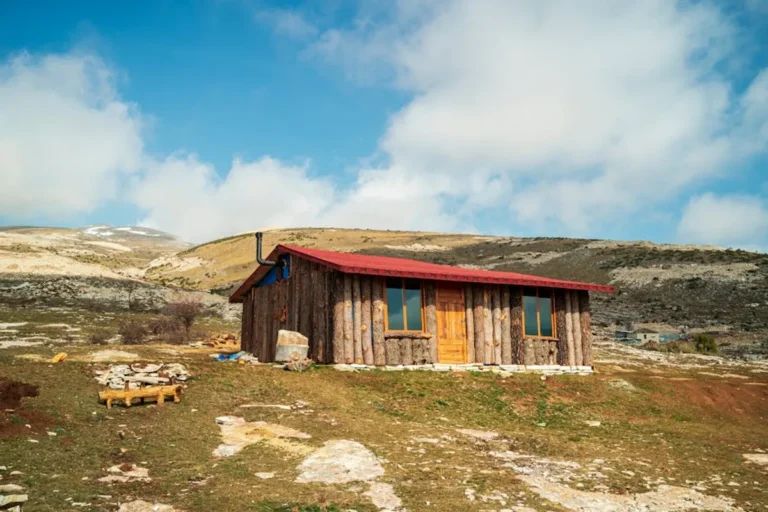

The construction industry's pivot towards sustainable practices increasingly positions wood as a primary material, moving beyond traditional light-frame applications to encompass large-scale, high-performance structures. For developers, architects, and contractors, understanding sustainable wood construction is no longer a niche consideration but a strategic imperative. This approach leverages wood's inherent renewability and carbon sequestration capabilities, offering a viable pathway to reduce embodied carbon, accelerate project timelines, and enhance occupant well-being. The decision to integrate sustainable wood directly impacts a project's environmental footprint, long-term operational costs, and market appeal, demanding a clear understanding of material sourcing, structural systems, and certification pathways.
Defining Sustainable Wood in Construction
Sustainable wood construction extends beyond merely using wood; it encompasses the entire lifecycle, from responsible forest management to efficient material use and end-of-life considerations. This definition prioritizes minimal environmental impact and maximal resource efficiency.
- Responsible Sourcing: Wood must originate from forests managed to maintain biodiversity, protect old-growth areas, and ensure long-term timber supply. Certifications like the Forest Stewardship Council (FSC) and the Programme for the Endorsement of Forest Certification (PEFC) provide third-party verification of these practices, tracking wood from forest to final product.
- Low Embodied Energy: Wood products generally require less energy to produce compared to steel or concrete, significantly reducing the embodied carbon of a building. This energy efficiency extends to manufacturing processes that minimize waste and optimize material yield.
- Carbon Sequestration: As trees grow, they absorb carbon dioxide, storing it within their biomass. When this wood is used in construction, the carbon remains sequestered for the lifespan of the building, effectively removing it from the atmosphere.
- Durability and Longevity: Sustainable wood structures are designed for extended service life, often exceeding that of conventional materials when properly maintained and protected from moisture. This contributes to resource efficiency by reducing the need for premature replacement.
Commercial Advantages of Sustainable Wood Projects
Adopting sustainable wood construction offers tangible benefits that extend beyond environmental stewardship, directly impacting project economics and market positioning.
Enhanced Environmental Performance and Market Appeal
Buildings constructed with sustainable wood products significantly lower their carbon footprint. This aligns with corporate sustainability goals, attracts environmentally conscious investors, and meets increasingly stringent regulatory requirements. Projects can achieve higher ratings in green building certification systems like LEED or BREEAM, enhancing their market value and appeal to tenants and buyers who prioritize ecological responsibility.
Economic Efficiencies and Accelerated Construction
Cost-Effectiveness: While initial material costs for some mass timber products might be comparable to steel or concrete, the overall project economics often favor wood.
Faster Construction: Mass timber elements, such as Cross-Laminated Timber (CLT) or Glued Laminated Timber (Glulam), are often prefabricated off-site. This allows for rapid on-site assembly, reducing labor costs, minimizing construction waste, and shortening project schedules. A quicker build time translates directly into earlier occupancy and return on investment.
Reduced Foundation Costs: Wood structures are typically lighter than their concrete or steel counterparts, potentially allowing for less extensive and costly foundation systems.
Improved Occupant Health and Well-being
The use of natural materials like wood contributes to biophilic design principles, connecting occupants with nature. Studies suggest that exposure to wood interiors can reduce stress levels, improve air quality by regulating humidity, and enhance overall comfort. For commercial spaces, this can lead to increased productivity, reduced absenteeism, and higher tenant satisfaction.
Advanced Wood Products and Structural Systems
Modern sustainable wood construction relies on engineered wood products that offer superior strength, stability, and design flexibility compared to traditional lumber.
Mass Timber Innovations
Mass timber represents a revolutionary approach to wood construction, enabling the creation of mid-rise and high-rise buildings entirely from wood. These systems are highly engineered, fire-resistant, and provide excellent structural performance.
- Cross-Laminated Timber (CLT): Layers of lumber glued together with alternating grain directions, forming large, strong panels for walls, floors, and roofs.
Best for: Structural integrity in multi-story buildings, rapid assembly, exposed wood aesthetics.
- Glued Laminated Timber (Glulam): Individual laminations of wood bonded together with durable, moisture-resistant adhesives to form large, custom-shaped structural members.
Best for: Long spans, complex curves, heavy loads in beams and columns.
- Nail-Laminated Timber (NLT) and Dowel-Laminated Timber (DLT): Similar to CLT but using nails or hardwood dowels instead of adhesives to connect lumber layers.
Best for: Cost-effective floor and roof decking, exposed ceilings with natural wood aesthetics.
Engineered Wood Components
Beyond mass timber, other engineered wood products enhance efficiency and performance:
- Laminated Veneer Lumber (LVL): Thin wood veneers bonded with adhesives under heat and pressure, creating strong, straight, and uniform beams, headers, and rim boards.
- I-Joists: Engineered wood members with flanges made of LVL or solid lumber and webs of oriented strand board (OSB) or plywood. They offer high strength-to-weight ratios and long spans.
Pro Tip: When specifying sustainable wood products, prioritize early engagement with suppliers and structural engineers. Verify chain-of-custody documentation for all certified materials and confirm product specifications meet local building codes and fire safety standards. Understanding lead times for specialized mass timber components is critical for accurate project scheduling.
Integrating Certification and Green Building Standards
Achieving green building certifications is a key driver for many sustainable wood projects. Wood's inherent properties contribute significantly to these ratings.
Forest Certification Systems
FSC and PEFC certifications ensure that wood products come from responsibly managed forests. Specifying certified wood helps projects earn credits in various green building rating systems, demonstrating a commitment to ethical sourcing and environmental protection.
Green Building Rating Systems
Sustainable wood construction directly supports achieving higher ratings in:
- LEED (Leadership in Energy and Environmental Design): Wood can contribute to credits for materials and resources (e.g., certified wood, recycled content), indoor environmental quality (e.g., low-emitting materials), and regional materials.
- BREEAM (Building Research Establishment Environmental Assessment Method): Similar to LEED, BREEAM rewards projects for responsible sourcing, reduced embodied carbon, and healthy indoor environments facilitated by wood.
- Passive House: While primarily focused on energy efficiency, the low embodied energy of wood and its natural insulation properties can complement Passive House design principles, particularly in highly insulated, airtight envelopes.
Strategic Implementation for Sustainable Wood Projects
Successfully incorporating sustainable wood requires a holistic approach, from initial design to construction and ongoing maintenance. Consider the following strategic steps:
Design for Deconstruction: Plan for the future reuse or recycling of wood components. This involves using reversible fasteners and modular designs where possible.
Moisture Management: Implement robust moisture protection strategies during construction and throughout the building's lifespan. Proper detailing, ventilation, and material selection are crucial to prevent moisture-related issues.
Fire Safety Engineering: For mass timber, engage fire safety engineers early. Modern mass timber products, when designed correctly, perform predictably in fire, often charring on the exterior to protect the structural core, maintaining integrity longer than unprotected steel.
Collaboration with Experts: Work with architects, structural engineers, and contractors experienced in sustainable wood construction. Their expertise in material selection, detailing, and construction techniques is invaluable.
Frequently Asked Questions
Is sustainable wood construction more expensive than traditional methods?
While some specialized wood products may have higher unit costs, overall project costs can be competitive or lower due to faster construction times, reduced foundation requirements, and lower labor needs. Lifecycle cost analysis often shows long-term savings through energy efficiency and durability.
How does mass timber perform in a fire?
Mass timber structures, particularly CLT and Glulam, are engineered to perform well in fire. They are designed to char at a predictable rate, creating an insulating layer that protects the unburnt core, allowing the structure to maintain its load-bearing capacity for extended periods, meeting or exceeding code requirements.
What are the main environmental benefits of using sustainable wood?
The primary benefits include carbon sequestration (wood stores carbon for the life of the building), significantly lower embodied energy compared to steel and concrete, and the use of a renewable resource that supports responsible forest management and biodiversity when certified.
What certifications should I look for when sourcing sustainable wood?
Look for certifications from the Forest Stewardship Council (FSC) or the Programme for the Endorsement of Forest Certification (PEFC). These provide independent verification that wood products come from sustainably managed forests.