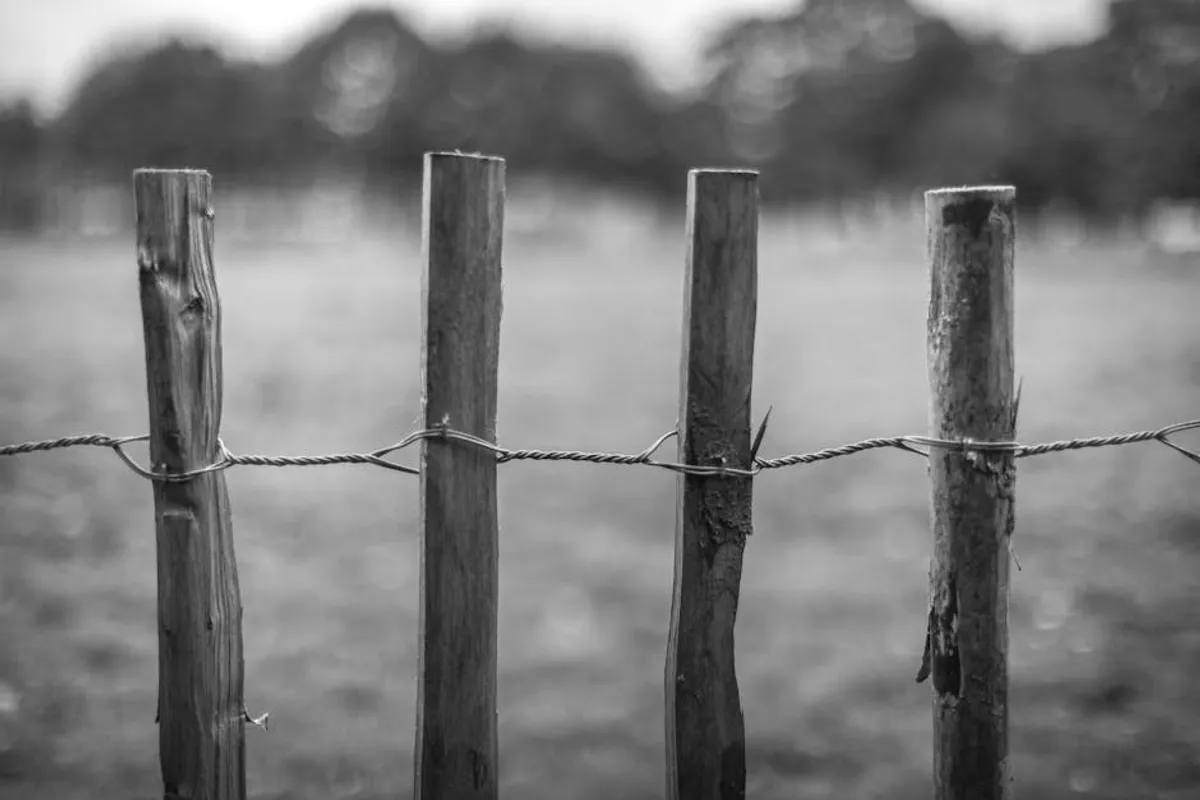
A wood fence represents a significant investment in property value, security, and aesthetic appeal. Its natural beauty and traditional charm are undeniable, but unlike synthetic alternatives, wood requires consistent attention to maintain its structural integrity and appearance. Neglecting maintenance can lead to accelerated decay, warping, pest infestations, and a faded, worn look, ultimately necessitating expensive repairs or premature replacement. Understanding and implementing a proactive maintenance strategy is crucial for protecting this asset, ensuring it continues to perform its function and enhance your property for decades.
Understanding the Value of Proactive Maintenance
Proactive wood fence maintenance extends the functional life of the structure, often doubling or tripling its expected lifespan. This translates directly into cost savings by deferring the expense of full fence replacement. Beyond the financial aspect, a well-maintained fence contributes significantly to curb appeal, which is a factor in property valuation. Functionally, it maintains security by preventing weak points that could be exploited, and it preserves privacy by keeping boards intact and upright. Regular care also allows for early detection of minor issues, preventing them from escalating into major structural problems.
Essential Steps for Wood Fence Care
Effective wood fence maintenance follows a systematic approach, addressing cleaning, inspection, repair, and protection.
Routine Cleaning
Cleaning removes dirt, grime, mildew, and algae that can degrade wood over time and trap moisture, promoting rot. Annually, or bi-annually in humid climates, clean the fence. A garden hose with a spray nozzle is often sufficient for light debris. For tougher stains or mildew, a diluted bleach solution (one part bleach to three parts water) or an oxygen bleach cleaner (which is less harsh on plants and wood fibers) can be applied. Use a soft-bristle brush to scrub, working with the wood grain, then rinse thoroughly. Avoid high-pressure washers set above 1,500 PSI, as excessive force can damage wood fibers, creating a fuzzy surface and making it more susceptible to moisture absorption.
Thorough Inspection
After cleaning, conduct a detailed inspection. Look for:
- Loose or missing fasteners: Nails or screws can work their way out due to wood expansion and contraction. Replace or re-secure them.
- Cracked or warped boards: Small cracks can be filled; severely warped boards might need replacement to maintain structural integrity and appearance.
- Rot or decay: Pay close attention to posts at ground level and the bottom of pickets, as these areas are most prone to moisture accumulation. Probe suspect areas with a screwdriver; soft, punky wood indicates rot.
- Pest damage: Look for small holes, sawdust trails, or insect nests. Early detection can prevent widespread infestation.
- Damaged gates and hardware: Ensure hinges are secure and operating smoothly, and latches engage correctly. Lubricate moving parts as needed.
Prompt Repairs
Address any identified issues immediately. Replace rotted sections of posts or pickets. For minor rot, specialized wood hardeners can stabilize the area before patching. Re-attach loose boards with weather-resistant screws, which offer better holding power than nails. Repairing small issues quickly prevents them from compromising larger sections of the fence, saving significant time and expense later.
Staining and Sealing
Once the fence is clean and dry (typically 24-48 hours after cleaning), apply a high-quality stain or sealant. This step is critical for protecting the wood from UV radiation, moisture absorption, and fungal growth. Stains come in various opacities: clear sealers offer minimal protection but maintain natural wood color; semi-transparent stains provide UV protection and a hint of color; solid stains offer maximum protection and color, obscuring the wood grain. Choose a product specifically formulated for exterior wood fences. Apply according to manufacturer instructions, typically every 2-5 years depending on product type and environmental exposure. Ensure full coverage, paying extra attention to end grains and areas prone to moisture.
Pro Tip: When applying stain or sealant, always work in small sections and maintain a wet edge to avoid lap marks. If using a sprayer, back-brush immediately to ensure the product penetrates the wood fibers evenly and prevent drips or uneven application, which can compromise both protection and appearance.
Selecting Appropriate Maintenance Products
The market offers a range of products designed for wood fence maintenance. For cleaning, look for oxygen-based cleaners or specialized wood brighteners that restore natural wood color without harsh chemicals. When choosing stains and sealants, consider the wood type, desired aesthetic, and local climate. Oil-based products often offer deeper penetration and more durable protection, especially for hardwoods, while water-based options provide easier cleanup and lower VOCs. Always check product specifications for UV resistance, mildew inhibitors, and water repellency. Opt for products with a warranty that aligns with your maintenance cycle.
Establishing a Seasonal Maintenance Schedule
A consistent schedule ensures comprehensive care:
- Spring: Perform a thorough cleaning, detailed inspection, and necessary repairs. This is the ideal time for staining or sealing, as temperatures are moderate and the wood has dried out from winter moisture.
- Summer: Monitor for pest activity and water damage, especially after heavy rains. Trim vegetation growing against the fence to promote air circulation and prevent moisture buildup.
- Fall: Clear away fallen leaves and debris from the fence line to prevent moisture retention and fungal growth. Check for any new damage before winter sets in.
- Winter: In regions with snow and ice, ensure snow is cleared away from the fence base to minimize prolonged moisture exposure. Inspect for frost heave effects on posts.
Addressing Common Wood Fence Challenges
Beyond routine care, specific issues require targeted solutions. For mildew and algae, a dedicated fungicidal wash followed by proper sealing helps prevent recurrence. Warping can sometimes be mitigated by re-securing boards with stronger fasteners and ensuring adequate sealing, though severely warped boards often require replacement. Pest infestations, such as termites or carpenter ants, typically necessitate professional extermination, followed by repairing damaged sections and applying insect-repellent sealants or treatments to prevent future issues. Ground-level rot can be addressed by installing gravel or a concrete collar around posts to improve drainage and reduce direct soil contact.
Maximizing Your Fence's Longevity
Beyond regular cleaning and sealing, several practices contribute to a longer fence life. Ensure proper drainage around the fence line; standing water accelerates rot. Trim back any vegetation that touches the fence, as plants can trap moisture and transfer pests. Consider adding post caps to exposed post tops to prevent water from penetrating the end grain, a common entry point for moisture. For new installations, using pressure-treated lumber for posts, especially those in ground contact, provides a foundational layer of rot and insect resistance that complements surface treatments.
Sustaining Your Investment
Consistent, targeted wood fence maintenance is not merely a chore; it is a strategic investment that preserves both the functional utility and aesthetic value of your property. By adhering to a structured maintenance plan, utilizing appropriate products, and addressing issues promptly, property owners can significantly extend the lifespan of their wood fence, ensuring it remains a durable, attractive, and secure boundary for years to come. This proactive approach avoids the higher costs and inconvenience of major repairs or complete replacement, securing the initial investment and enhancing overall property appeal.
Frequently Asked Questions
How often should I stain or seal my wood fence?
The frequency depends on the product type, local climate, and fence exposure. Generally, clear sealers may need reapplication every 1-2 years, semi-transparent stains every 2-3 years, and solid stains every 3-5 years. Always refer to the manufacturer's recommendations.
Can I use a pressure washer on my wood fence?
Yes, but with caution. Use a wide fan tip and keep the pressure below 1,500 PSI, maintaining a distance of at least 12-18 inches from the wood. Excessive pressure can damage wood fibers, leading to a fuzzy surface and increased susceptibility to water absorption.
What's the best way to prevent rot at the base of fence posts?
For existing fences, ensure good drainage around the post base by clearing debris and preventing soil buildup. Consider adding a gravel collar. For new installations, use pressure-treated posts, or set posts in concrete with a slight dome to shed water away from the wood.