
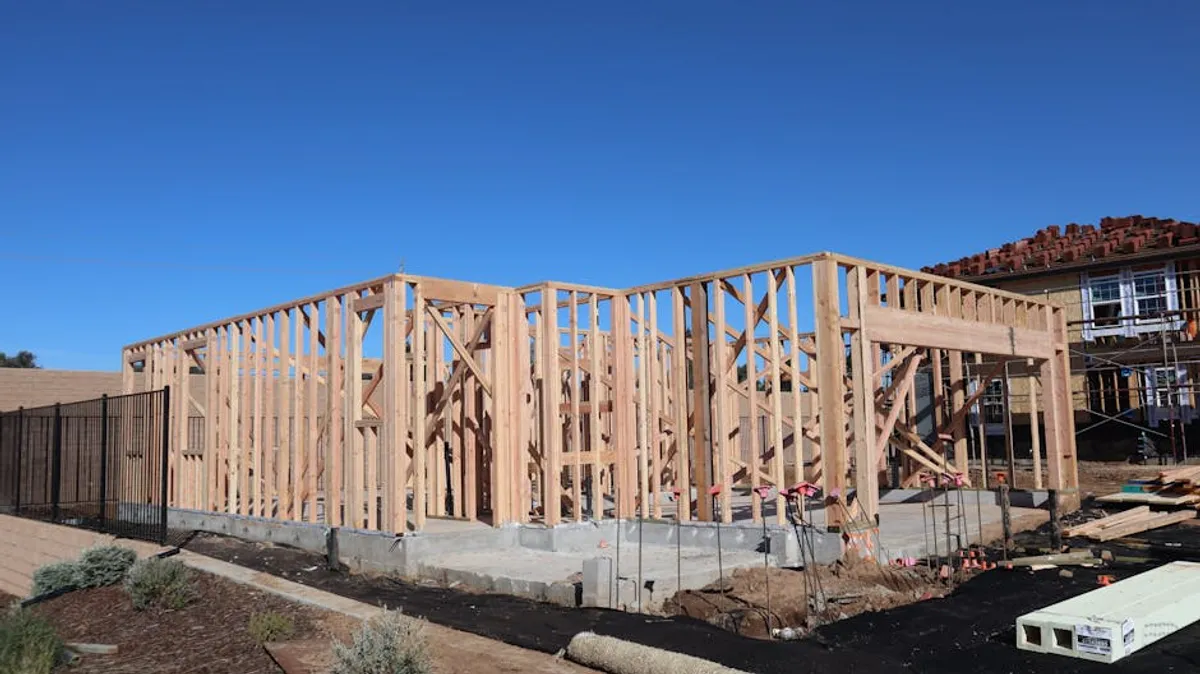
The topic of "wood foundations" might seem niche, but for content strategists, site owners, and marketers targeting the construction and home improvement sectors, it represents a significant opportunity. Understanding the basics of permanent wood foundations (PWFs) isn't just about construction knowledge; it's about dissecting a specialized subject to uncover specific user needs, commercial intent, and pathways to build authority. This article outlines how to approach "Wood Foundation Basics" as a content vertical, focusing on the informational gaps and commercial drivers that make it valuable for targeted content creation.
Understanding the Core Concept: Permanent Wood Foundations
Permanent wood foundations (PWFs) are engineered structural systems that utilize pressure-treated lumber for below-grade walls, supporting a building's superstructure. Unlike traditional concrete or block foundations, PWFs are designed to be load-bearing and resistant to moisture and decay when installed correctly. Their prevalence varies geographically, often found in regions with specific soil conditions or where faster construction times are desired. For content creators, this means recognizing that while the concept exists, its application and perception differ, influencing the types of questions users ask and the depth of information they seek. Addressing these nuances positions content as a reliable resource.
Key Search Intentions Around Wood Foundations
Effective content strategy begins with identifying user intent. For "wood foundations," search queries typically fall into distinct categories, each requiring a tailored content approach:
Informational Intent
Users here are seeking to understand what PWFs are, how they function, and their general characteristics. They are in the early stages of research, often comparing foundation types or exploring options for a new build or renovation. Content addressing informational intent should be comprehensive, unbiased, and easy to digest.
- Common Queries: "what are wood foundations," "permanent wood foundation pros and cons," "how do wood foundations work," "are wood foundations good or bad," "wood foundation vs concrete."
- Content Focus: Definitions, historical context, construction principles, advantages, disadvantages, common misconceptions, and comparisons to other foundation types.
Commercial/Transactional Intent
These users are further down the decision funnel, seeking services, products, or cost estimates related to PWFs. Their queries often include location-specific terms or direct service requests, indicating a readiness to engage with providers or make purchasing decisions.
- Common Queries: "wood foundation cost per square foot," "wood foundation repair near me," "wood foundation contractors [city/state]," "installing wood foundations price," "wood foundation waterproofing solutions."
- Content Focus: Cost guides, contractor directories, service explanations, product reviews (e.g., specific waterproofing materials), and localized service pages.
Navigational Intent
While less common for a broad topic like "wood foundation basics," navigational intent could manifest as users looking for specific building codes, manufacturer specifications, or renowned experts in the field. This often involves branded searches or very specific technical documents.
- Content Focus: Direct links to official building codes, manufacturer data sheets, or profiles of industry experts.
Structuring Content for Authority and Clarity
To establish a site as an authoritative resource on wood foundations, content must be structured logically, addressing a full spectrum of user questions with precision.
Essential Content Elements
A foundational article on PWFs should cover these core components:
- Definition and History: What they are, where they originated, and their evolution.
- Construction Process Overview: Simplified explanation of how they are built, highlighting key steps and materials.
- Advantages: Benefits such as speed of construction, energy efficiency, and ease of finishing basements.
- Disadvantages: Potential concerns like moisture management, perceived durability, and lender acceptance.
- Maintenance and Longevity: What homeowners need to know about upkeep and expected lifespan.
- Cost Considerations: How PWF costs compare to other foundation types, including installation and long-term expenses.
- Regulatory and Code Compliance: Mentioning relevant building codes and standards (e.g., IRC, local amendments).
Pro Tip: When developing content on technical subjects like wood foundations, prioritize accuracy above all. Misinformation can erode trust and negatively impact user perception. Always reference reputable sources such as national building code organizations, university extension programs, or established engineering firms. For commercial content, ensure claims are substantiated with data or expert testimonials.
Optimizing for Visibility and Trust
Beyond content structure, specific optimization tactics enhance discoverability and reinforce expertise.
Technical SEO Considerations
Implement structured data where appropriate to help search engines understand your content's context:
- Schema Markup: Utilize Article, FAQPage, and HowTo schema to highlight key information and potentially earn rich results. For instance, an FAQ section on wood foundation myths could use FAQPage schema.
- Image Optimization: Include high-quality diagrams, cross-sections, and construction photos. Ensure images are properly compressed, have descriptive alt text, and relevant captions. Visuals are critical for explaining complex construction concepts.
- Internal Linking Strategy: Create a robust internal link structure, connecting "Wood Foundation Basics" to more specific articles on repair, cost, or regional contractors. This builds topical authority and guides users through related content.
Content Quality and E-E-A-T
For a topic with significant financial and structural implications, demonstrating Expertise, Experience, Authoritativeness, and Trustworthiness (E-E-A-T) is paramount.
- Expertise: Feature content written or reviewed by licensed contractors, structural engineers, or building science professionals. Clearly display author credentials.
- Experience: Incorporate real-world case studies, project examples, or testimonials from homeowners who have lived with PWFs.
- Authoritativeness: Link out to official government building codes, academic research, and industry association guidelines.
- Trustworthiness: Present balanced perspectives on pros and cons, avoid hyperbole, and provide transparent data sources.
Monetization Avenues for Wood Foundation Content
A well-executed content strategy around wood foundations can open several commercial pathways:
- Affiliate Partnerships: Promote specific materials (e.g., pressure-treated lumber, waterproofing membranes), tools, or related products through affiliate links.
- Lead Generation: For contractors, builders, or material suppliers, the content can serve as a powerful lead generation tool, capturing inquiries for quotes or consultations.
- Advertising: Display advertising or sponsored content opportunities with relevant brands (e.g., lumber manufacturers, foundation repair services).
- Information Products: Develop premium guides, checklists, or consultation services for homeowners or DIY enthusiasts planning PWF projects.
Driving Value from Niche Expertise
Mastering "Wood Foundation Basics" as a content niche isn't about superficial coverage; it's about delivering deep, accurate, and actionable information. By meticulously addressing diverse user intents and employing sound SEO practices, content creators can establish their platforms as indispensable resources. This approach not only attracts high-intent traffic but also builds a foundation of trust and authority, converting informational queries into tangible commercial outcomes within the construction and home improvement sectors.
Frequently Asked Questions About Wood Foundations (for Content Creators)
How can content creators ensure accuracy when writing about wood foundations?
To ensure accuracy, content creators should consult official building codes (e.g., International Residential Code, local amendments), publications from reputable building science organizations, and university extension services. Interviewing licensed contractors, structural engineers, or architects specializing in PWFs also provides invaluable expert insight.
What are the most common misconceptions about wood foundations that content should address?
Key misconceptions often revolve around durability, moisture resistance, and susceptibility to pests. Content should directly address these by explaining the role of pressure-treated lumber, proper drainage, waterproofing techniques, and adherence to building codes that mitigate these concerns.
How can a new site compete with established construction resources on this topic?
New sites can compete by offering more detailed, localized, or visually rich content. Focusing on specific sub-topics (e.g., "wood foundation repair in [city]") or providing unique perspectives, such as homeowner testimonials or DIY guides, can carve out a niche. Emphasizing E-E-A-T through expert contributions and rigorous sourcing also helps build credibility quickly.
What visual content is essential for explaining wood foundation basics effectively?
Essential visual content includes cross-sectional diagrams illustrating the foundation's components (footings, walls, waterproofing), photographs of the construction process, and comparative infographics showing PWFs versus concrete foundations. Videos demonstrating installation steps or maintenance tips can also significantly enhance understanding. Visuals can also highlight methods to prevent wood rot, ensuring the longevity of the structure.