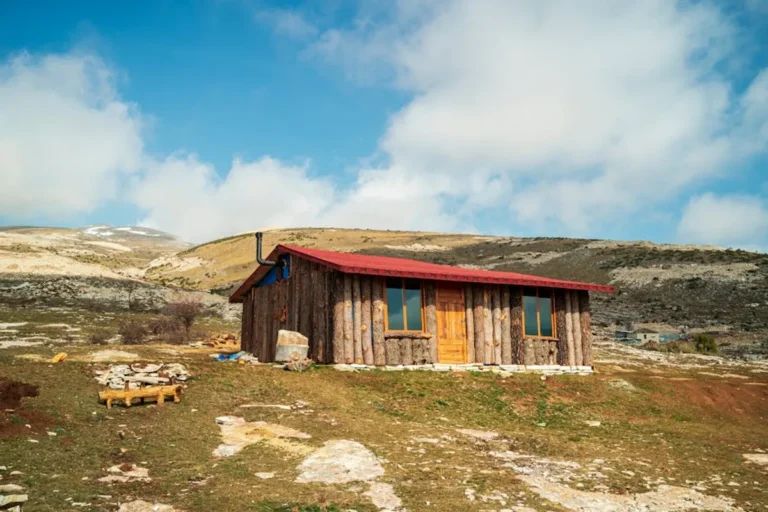

Considering a wood home involves navigating a specific set of questions that impact long-term satisfaction and investment. While the appeal of natural materials, sustainability, and unique aesthetics is evident, prospective owners and builders often encounter uncertainties regarding durability, maintenance, energy performance, and structural integrity. This guide addresses the most frequently asked questions about wood homes, providing direct, actionable insights to inform your decisions, from initial design concepts to ongoing care.
Core Aspects of Wood Home Construction
Material Selection and Sourcing
The choice of wood species significantly influences a home's structural performance, appearance, and cost. Softwoods like pine, fir, and spruce are common for framing due to their availability and workability, while hardwoods such as oak, maple, and cherry are often selected for flooring, cabinetry, and decorative elements for their durability and aesthetic qualities. Engineered wood products, including glulam beams, cross-laminated timber (CLT), and laminated veneer lumber (LVL), offer enhanced strength-to-weight ratios and dimensional stability, often allowing for larger spans and more open designs than solid timber. When sourcing, prioritize lumber with certifications like the Forest Stewardship Council (FSC) or Sustainable Forestry Initiative (SFI), which verify responsible forest management practices. This ensures the wood originates from sustainably managed forests, mitigating environmental impact.
Structural Integrity and Building Codes
Modern wood homes are engineered to meet or exceed stringent building codes, ensuring structural integrity comparable to or surpassing other construction types. The perception of wood as less robust than steel or concrete is often outdated; advanced timber engineering, including post-and-beam construction, log home techniques, and mass timber systems, allows for highly resilient structures. These methods account for load-bearing requirements, seismic activity, and wind resistance through precise joinery, connection details, and foundation design. Local building codes dictate specific requirements for span, member sizing, and fastening, and adherence is critical for safety and longevity. Engaging experienced architects and structural engineers specializing in wood construction is essential to ensure compliance and optimal performance.
Prefabrication vs. On-Site Build
The construction method impacts timeline, cost, and quality control. Prefabricated wood homes, including modular and panelized systems, involve manufacturing components off-site in a controlled environment. This approach often leads to faster on-site assembly, reduced waste, and higher precision due to factory conditions. Quality control is typically more consistent, as components are built to exact specifications without weather-related delays or on-site inconsistencies.
Best for: Projects with tight schedules, budget predictability, and a desire for high-quality, factory-controlled construction.
Conversely, on-site builds offer greater flexibility for custom designs and modifications during the construction process. While potentially longer and more susceptible to weather delays, on-site construction allows for iterative design adjustments and a more hands-on approach for owners. The choice hinges on project complexity, budget, timeline, and desired level of customization.
Longevity and Maintenance
Protecting Against Pests and Rot
Wood homes are susceptible to pests like termites and carpenter ants, and decay from fungal growth if not properly protected. Effective strategies include:
- Chemical Treatments: Applying borate-based treatments to raw wood during construction creates a barrier against insects and fungi.
- Design Principles: Incorporating generous roof overhangs, proper grading, and elevated foundations minimizes moisture exposure.
- Ventilation: Ensuring adequate ventilation in attics, crawl spaces, and wall cavities prevents moisture buildup.
- Regular Inspections: Annual professional inspections can detect early signs of infestation or rot, allowing for timely intervention.
Properly treated and maintained wood homes can resist these threats for decades.
Weather Resistance and Durability
Wood's natural properties provide inherent insulation and structural flexibility, contributing to its durability in various climates. However, ongoing protection from UV radiation and moisture is crucial. High-quality exterior finishes, such as stains, paints, or sealants, form a protective layer that repels water and prevents UV degradation. These finishes typically require reapplication every 3-7 years, depending on product type and exposure. Design elements like rain screens, which create a gap between exterior cladding and the building's moisture barrier, further enhance moisture management by allowing walls to breathe and dry effectively. In areas prone to extreme weather, specific wood species known for their natural resistance, such as cedar or redwood, are often preferred for exterior applications.
Routine Upkeep and Inspections
Consistent maintenance extends the lifespan of a wood home. Key tasks include:
- Cleaning gutters and downspouts to prevent water overflow.
- Inspecting exterior finishes annually for peeling, cracking, or fading.
- Sealing cracks around windows, doors, and penetrations to prevent water intrusion.
- Trimming vegetation away from the house to improve airflow and reduce moisture contact.
- Checking for proper drainage around the foundation.
Pro Tip: Implement a professional inspection schedule every 3-5 years, even if you conduct routine checks. Trained inspectors can identify subtle issues like hidden moisture intrusion, pest activity in inaccessible areas, or structural shifts that might be missed during a homeowner's visual assessment. Early detection prevents minor problems from escalating into costly repairs.
Energy Efficiency and Environmental Impact
Insulation and Thermal Performance
Wood has a natural R-value (resistance to heat flow) higher than steel or concrete, contributing to a wood home's inherent energy efficiency. Modern wood construction further enhances thermal performance through advanced insulation techniques. This includes using high-density insulation materials within wall cavities, incorporating continuous insulation layers on the exterior, and employing air-sealing strategies to minimize drafts. The combination of wood's natural insulating properties with effective insulation and air barriers results in homes that are easier to heat and cool, leading to lower energy consumption and reduced utility costs. Achieving specific energy performance targets, such as those for Passive House or Net-Zero Energy homes, is fully attainable with wood construction.
Sustainable Sourcing and Carbon Footprint
Wood is a renewable resource, and when sourced from sustainably managed forests, it offers a lower embodied carbon footprint compared to many other building materials. Trees absorb carbon dioxide as they grow, storing it within the wood structure even after it's used in construction. This carbon sequestration makes wood a carbon-negative material, meaning it removes more carbon from the atmosphere than is emitted during its production and transport (when sustainably managed). Certifications like FSC ensure that forests are managed responsibly, promoting biodiversity, protecting water quality, and ensuring long-term timber supply. Choosing certified wood products directly supports sustainable forestry practices and helps mitigate climate change.
Cost Considerations
Initial Investment vs. Long-Term Value
The initial cost of a wood home can vary widely depending on factors such as wood species, construction method (e.g., custom log home vs. panelized kit), and regional labor rates. While some custom wood homes may have a higher upfront cost than conventional stick-built homes, it's crucial to evaluate the long-term value. This includes potential savings on energy bills due to better insulation, reduced maintenance costs if durable materials and finishes are chosen, and the resale value often associated with unique, aesthetically pleasing wood homes. The natural beauty and warmth of wood can also command a premium in the real estate market, contributing to a strong return on investment over time.
Insurance and Financing
Securing insurance and financing for wood homes is generally straightforward, though specific considerations may apply. Some insurers might categorize certain types of wood homes, particularly log homes, differently due to perceived fire risks (which are often mitigated by modern fire-retardant treatments and code compliance). It's advisable to work with insurance providers experienced with wood construction to ensure appropriate coverage at competitive rates. For financing, traditional mortgages are available, but some lenders may require specific appraisals for highly customized or unique wood home designs. Researching lenders familiar with timber frame or log home construction can streamline the financing process.
Making an Informed Decision
Understanding the nuances of wood homes, from material science to ongoing maintenance, empowers you to make choices aligned with your priorities for aesthetics, sustainability, and long-term performance. Engage with experienced builders, architects, and suppliers who specialize in wood construction. Request detailed material specifications, maintenance schedules, and energy performance projections. Visit existing wood homes to observe their condition and speak with owners about their experiences. A well-designed and properly maintained wood home offers a durable, energy-efficient, and aesthetically rewarding living environment for generations.
Frequently Asked Questions About Wood Homes
Are wood homes safe from fire?
Yes, modern wood homes are engineered to be fire-safe. Heavy timber and mass timber elements actually char on the exterior, forming an insulating layer that protects the inner wood and maintains structural integrity longer than unprotected steel. Additionally, building codes require fire-retardant treatments, fire-rated assemblies, and proper egress, making wood homes as safe as other construction types.
How long do wood homes last?
With proper design, construction, and regular maintenance, a wood home can last for centuries. Many historic timber-frame structures across the globe are still standing and functional after hundreds of years. Longevity depends heavily on protecting the wood from moisture, pests, and UV degradation through good design and consistent upkeep.
Are wood homes more expensive to insure?
Not necessarily. While some insurers may have specific classifications for log or highly custom wood homes, many modern wood-framed homes are insured similarly to conventional homes. Factors like location, fire protection systems, and overall construction quality often influence premiums more than the primary material itself. It's best to consult with multiple insurance providers to compare quotes.
Can wood homes withstand extreme weather?
Yes, wood homes can be designed to withstand extreme weather conditions, including high winds, seismic activity, and heavy snow loads. Wood's natural flexibility allows it to absorb and dissipate forces better than more rigid materials. Structural engineering, reinforced connections, and adherence to local building codes for specific weather hazards are key to ensuring resilience.