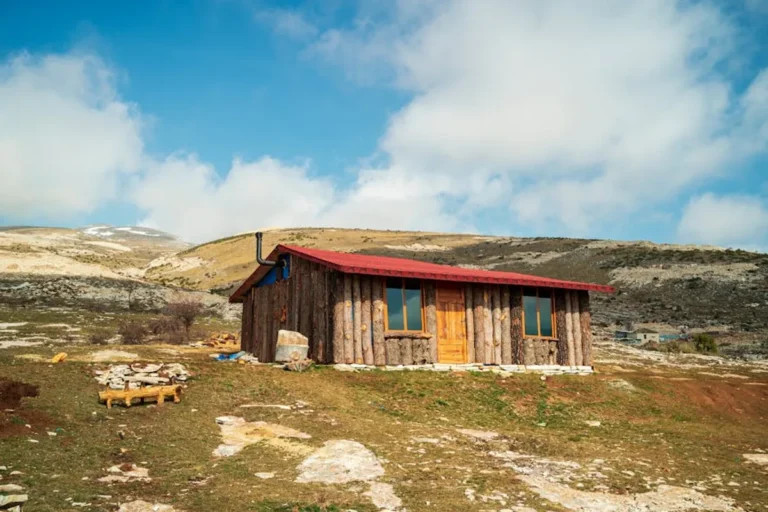

Maintaining a wood house requires a proactive approach to preserve its structural integrity, aesthetic appeal, and overall value. For homeowners, understanding the specific needs of wood construction is critical, as neglect can lead to costly repairs down the line. This guide outlines essential maintenance practices, focusing on preventative measures and timely interventions to ensure your wood home remains a sound investment for decades.
Regular Inspections and Cleaning
Consistent vigilance is the cornerstone of wood house maintenance. Scheduled inspections allow for early detection of potential issues, preventing them from escalating into significant problems. Cleaning removes organic matter that can trap moisture and foster decay.
Exterior Checks
Conduct thorough exterior inspections at least twice a year, ideally in spring and fall. Focus on areas exposed to weather and ground contact. Look for:
- Cracks and Gaps: Examine siding, trim, and window frames for hairline cracks or larger gaps that can allow water intrusion.
- Peeling or Fading Finish: Note any areas where paint, stain, or sealant is deteriorating, as this indicates a loss of protective barrier.
- Discoloration: Dark spots, green patches, or graying wood can signal mold, mildew, or UV damage, respectively.
- Loose Fasteners: Check for nails or screws that have backed out, compromising structural stability or creating entry points for water.
- Foundation Proximity: Ensure no wood components are in direct contact with soil, which can lead to moisture wicking and pest infestation.
Cleaning: Annually, clean exterior wood surfaces using a soft brush and a mild, wood-safe cleanser. Pressure washing can be effective for larger areas but must be done with caution, using low pressure and a wide fan tip to avoid damaging the wood fibers or forcing water into joints.
Interior Considerations
While less exposed to the elements, interior wood components still require attention. Monitor for signs of moisture infiltration, such as water stains on ceilings or walls, which could indicate roof or plumbing leaks. Check basements and crawl spaces for excessive humidity, mold growth, or signs of pest activity, as these environments can impact the entire structure.
Protecting Wood from Moisture and Pests
Moisture is wood's primary adversary, leading to rot, mold, and attracting pests. Effective moisture management and pest control are paramount for long-term preservation.
Sealing and Staining
Applying and maintaining a protective finish is non-negotiable for exterior wood. Stains and sealants create a barrier against UV radiation and moisture absorption. The frequency of reapplication depends on the product type, local climate, and sun exposure, but typically ranges from every 2-5 years for stains and every 5-10 years for paints. Always clean and prepare the surface thoroughly before application to ensure proper adhesion and maximum protection.
Pro Tip: Before applying any new stain or sealant, test a small, inconspicuous area. This confirms color match and compatibility with existing finishes, preventing widespread application errors.
Drainage and Ventilation
Proper water drainage away from the house is critical. Ensure gutters are clear and downspouts extend at least five feet from the foundation. Grade the landscape around the house so water flows away from the structure, preventing pooling. Adequate ventilation in attics, basements, and crawl spaces reduces humidity levels, inhibiting mold growth and wood decay. Consider installing vents or dehumidifiers in persistently damp areas.
Pest Management Strategies
Wood is susceptible to various pests, including termites, carpenter ants, and powderpost beetles. Regular inspections should include looking for:
- Mud tubes on the foundation (termites)
- Small piles of sawdust (frass) near wood components (carpenter ants, powderpost beetles)
- Holes in wood surfaces
- Unusual sounds within walls
Maintain a clear perimeter around the house, keeping shrubs and trees trimmed away from the siding. Store firewood away from the house structure. Address any standing water or moisture issues promptly, as damp wood attracts many pests. If infestation is suspected, consult a professional pest control service for accurate identification and treatment.
Addressing Damage and Wear
Even with diligent maintenance, some wear and tear are inevitable. Timely repairs prevent minor issues from becoming major structural concerns.
Repairing Minor Issues
Small cracks in siding or trim can often be filled with exterior-grade caulk or wood filler, followed by sanding and repainting/restaining. Loose nails should be re-secured or replaced with screws for better holding power. Localized rot can sometimes be cut out and patched with epoxy wood filler or by replacing small sections of wood, provided the underlying moisture source has been eliminated.
Best for: Homeowners with basic carpentry skills and an understanding of wood repair techniques.
When to Call Professionals
For extensive rot, structural damage, or persistent moisture problems, professional intervention is necessary. Experienced contractors can assess the full extent of the damage, identify root causes, and perform repairs that ensure the long-term stability and safety of your home. This includes significant siding replacement, complex structural repairs, or advanced moisture remediation.
Sustaining Your Wood Home's Longevity
Consistent, preventative maintenance is not merely a task; it is an investment in your wood home's future. By adhering to a schedule of inspections, protecting against environmental stressors, and addressing issues promptly, homeowners can significantly extend the lifespan of their property. This proactive approach safeguards structural integrity, maintains curb appeal, and preserves the financial value of your wood house.
Frequently Asked Questions
How often should exterior wood be stained or painted?
The frequency depends on the product type, climate, and sun exposure. Stains typically last 2-5 years, while paints can last 5-10 years. Always follow the manufacturer's recommendations and monitor for signs of wear.
What are the most common signs of wood rot?
Common signs include discolored wood (dark or green patches), a soft or spongy texture when poked, a musty odor, and visible fungal growth. Advanced rot can cause wood to crumble or crack easily.
Can I pressure wash my wood house?
Yes, but with caution. Use a low-pressure setting (under 1200 PSI) and a wide fan tip to avoid damaging the wood fibers or forcing water into joints. Always test on an inconspicuous area first.
When should I hire a professional for wood house maintenance?
Consider hiring professionals for extensive rot, structural damage, persistent moisture issues, or if you lack the necessary tools or expertise for a specific repair. Early professional intervention can prevent more costly problems.