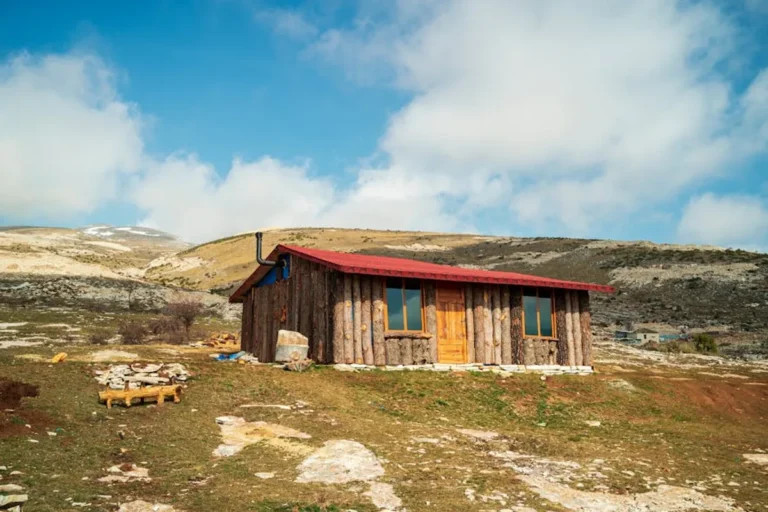
Selecting the optimal exterior finish for a timber home is a critical decision impacting both its aesthetic longevity and structural integrity. Unlike conventional siding, timber homes rely on their finish to protect the natural wood from a multitude of environmental stressors: relentless UV radiation, moisture penetration, fungal growth, and insect infestation. The choice extends beyond mere color preference; it dictates the maintenance schedule, the wood's natural aging process, and the home's long-term resilience. A well-chosen finish acts as the primary defense, preserving the timber's character while guarding against decay and deterioration. Conversely, an unsuitable finish can lead to premature graying, cracking, rot, and costly repairs. This guide examines various exterior finishes, detailing their protective qualities, aesthetic contributions, maintenance demands, and ideal applications to help homeowners make an informed, durable choice for their timber investment. These considerations apply to various types of timber homes.
Key Considerations for Timber Home Finishes
Before selecting an exterior finish, evaluate several critical factors specific to timber construction and local environmental conditions. These considerations ensure the chosen product aligns with both functional requirements and aesthetic goals.
- UV Protection: Sunlight's ultraviolet rays are timber's primary enemy, causing lignin degradation, which manifests as graying, checking, and surface erosion. Finishes with high pigment levels or specific UV inhibitors offer superior protection.
- Moisture Management: Water penetration leads to rot, mold, mildew, and dimensional instability (swelling and shrinking). The finish must repel water while allowing the wood to breathe, preventing moisture entrapment.
- Fungal and Insect Resistance: Timber is susceptible to wood-destroying fungi and insects. Some finishes incorporate fungicides or insecticides, or act as a barrier to prevent infestation.
- Durability and Wear: The finish must withstand physical abrasion, temperature fluctuations, and continuous exposure to weather. Durability directly impacts the reapplication cycle and overall maintenance effort.
- Maintenance Requirements: Consider the frequency of reapplication, the preparation needed for recoating (e.g., sanding, stripping), and the ease of cleaning. Lower maintenance options often involve higher initial costs or specific application techniques.
- Aesthetic Impact: Finishes range from clear coats that highlight natural grain to solid stains that completely obscure it. Decide whether to preserve the wood's natural color and texture or to introduce an opaque color.
- Application Complexity: Some finishes require specialized equipment or multiple coats with specific drying times, influencing whether a DIY approach is feasible or professional application is necessary.
- Environmental Profile: Assess VOC content, biodegradability, and the presence of harsh chemicals. Many homeowners prioritize eco-friendly options for health and environmental reasons.
1. Penetrating Oil Stains
Penetrating oil stains are formulated to soak deeply into the timber fibers rather than forming a surface film. They typically consist of natural oils (like linseed or tung oil) or synthetic alkyds, often fortified with pigments and UV inhibitors. This deep penetration provides nourishment to the wood from within, enhancing its natural luster and creating a matte or satin finish that feels natural to the touch. Because they don't form a thick film, these stains are less prone to peeling, cracking, or blistering, which are common issues with surface-coating finishes as wood expands and contracts.
Best for: Homeowners seeking a natural, low-sheen appearance that highlights the wood's grain and texture. Ideal for timber exposed to significant dimensional movement or in climates where film-forming finishes might struggle with adhesion due to moisture cycling.
Pros: Excellent natural aesthetic; highly resistant to peeling and blistering; nourishes wood fibers; relatively easy reapplication without extensive stripping; good breathability.
Cons: Generally requires more frequent reapplication than film-forming finishes; less effective at bridging small cracks or checks; can be prone to mildew in damp, shaded conditions if not formulated with fungicides; limited color opacity.
Verdict: An excellent choice for those prioritizing a natural look and easier, less intensive maintenance over maximum film durability. Its ability to penetrate means future recoats often only require cleaning, not stripping.
2. Water-Based Semi-Transparent Stains
Water-based semi-transparent stains combine the user-friendly application and cleanup of water-borne products with the protective qualities of a stain. These formulations typically feature acrylic or latex resins that form a thin, flexible film on the wood surface, allowing much of the natural grain to show through while imparting a subtle color. They are often fortified with advanced UV stabilizers and mildewcides. Their water-based nature means faster drying times and lower VOC emissions compared to traditional oil-based counterparts, making them a more environmentally conscious choice.
Best for: Timber homes where ease of application, quick drying, and good UV protection are priorities, while still allowing the wood's natural character to be visible. Suitable for both new timber and previously stained surfaces.
Pros: Low VOCs and easy soap-and-water cleanup; fast drying times allow for multiple coats in a single day; good UV resistance; flexible film resists cracking; allows wood grain to show.
Cons: Can sometimes appear less "natural" than oil-based penetrants; requires thorough surface preparation to ensure adhesion; less forgiving on poorly prepared surfaces, potentially leading to premature peeling; may not penetrate as deeply as oil stains.
Verdict: A practical, modern solution offering a balance of protection, aesthetic appeal, and environmental benefits. Its semi-transparent nature provides color while preserving the wood's inherent beauty, with the convenience of water cleanup.
3. Film-Forming Acrylic Finishes
Film-forming acrylic finishes create a durable, elastic coating on the timber surface. These products are engineered with high-quality acrylic resins that provide exceptional flexibility, crucial for accommodating the natural expansion and contraction of timber, especially in log homes. They typically offer robust UV protection and superior water repellency, forming a barrier that shields the wood from the elements. While they obscure some of the natural wood texture, they can provide a rich, uniform color and a smooth, often glossy or satin, appearance.
Best for: Log homes and timber structures requiring maximum protection against severe weather, UV degradation, and moisture intrusion. Ideal when a uniform, long-lasting surface finish and color consistency are primary goals.
Pros: Exceptional durability and weather resistance; high elasticity prevents cracking and peeling on moving timber; superior UV protection; excellent water repellency; wide range of opaque and semi-opaque color options.
Cons: Requires meticulous surface preparation for proper adhesion; can be challenging to strip if reapplication requires it; may obscure more of the natural wood grain and texture than penetrating stains; can show brush marks if not applied carefully.
Verdict: A high-performance option for demanding applications, offering significant protection and a polished look. Its flexibility is a key advantage for log construction, though proper surface prep is non-negotiable for long-term success.
4. Clear UV-Protective Sealers
Clear UV-protective sealers are designed to allow the natural color and grain of timber to remain fully visible while offering protection against ultraviolet radiation and moisture. These finishes typically incorporate transparent UV absorbers and hindered amine light stabilizers (HALS) to mitigate sun damage, along with water-repellent agents. They form a non-pigmented film or penetrate slightly, creating a barrier that prevents water ingress and slows the graying process. The challenge with clear finishes is that without pigment, their UV protection is inherently limited compared to tinted products, often requiring more frequent reapplication.
Best for: New timber or recently restored wood where preserving the absolute natural color and appearance is paramount. Suitable for areas with less intense sun exposure or where a commitment to more frequent maintenance is acceptable.
Pros: Preserves the timber's natural color and grain perfectly; enhances the wood's inherent beauty; allows for easy inspection of the wood surface for issues; no color changes over time from the finish itself.
Cons: Offers significantly less UV protection than pigmented finishes, leading to faster graying; typically requires more frequent reapplication; can sometimes make the wood appear slightly wet or plastic-like if film-forming; may not offer robust fungal protection.
Verdict: While aesthetically appealing for its transparency, clear sealers demand a higher maintenance commitment due to their limited UV resistance. They are best used when the natural, unaltered look of the timber is the absolute priority, understanding the trade-off in longevity.
5. Solid Color Stains
Solid color stains provide an opaque, paint-like finish that completely covers the wood grain while still allowing some of the timber's texture to show through. Formulated with a high concentration of pigments and typically acrylic or latex resins, these stains offer the highest level of UV protection among stain types. They are excellent for concealing imperfections, color variations, or previous stains on timber. Unlike paint, solid stains are designed to penetrate the wood surface more effectively, reducing the likelihood of peeling and blistering, though they do form a substantial film.
Best for: Timber homes where an opaque, uniform color is desired, or when covering aged, discolored, or inconsistent wood surfaces. Provides maximum UV protection and can refresh the appearance of older timber without full painting.
Pros: Superior UV protection and color retention; effectively hides blemishes and inconsistencies in the wood; available in a vast array of colors; more durable and less prone to peeling than traditional paint on wood; good moisture resistance.
Cons: Completely obscures the natural wood grain; can still peel or crack if surface preparation is inadequate or if applied too thickly; reapplication requires thorough cleaning and potentially light sanding; less breathable than penetrating stains.
Verdict: An excellent choice for achieving a consistent, opaque color with robust protection, especially for older timber that needs a facelift. It offers paint's aesthetic benefits with better adhesion and flexibility for wood surfaces.
6. Natural Tung Oil Finishes
Natural Tung Oil is a plant-based drying oil extracted from the nuts of the tung tree. It penetrates deeply into the timber, polymerizing within the wood fibers to create a durable, water-resistant finish that enhances the wood's natural color with a rich, matte sheen. Unlike many film-forming finishes, tung oil does not crack, chip, or peel because it becomes an integral part of the wood. It is also known for its food-safe properties when cured, although for exterior applications, its primary benefit is its natural aesthetic and breathability. Pure tung oil is low in VOCs and environmentally friendly.
Best for: Homeowners seeking an all-natural, highly breathable finish that provides a deep, hand-rubbed look. Ideal for timber where environmental considerations are paramount and a traditional, subtle aesthetic is preferred.
Pros: All-natural and non-toxic (pure tung oil); deeply penetrates and hardens within the wood; highly water-resistant; does not peel, crack, or chip; enhances natural wood color; excellent breathability.
Cons: Offers very limited UV protection, leading to faster graying without additional UV inhibitors; slow drying and curing time; requires multiple thin coats for adequate protection; reapplication can be labor-intensive; less protection against fungal growth than other finishes.
Verdict: A beautiful, traditional finish for those committed to natural aesthetics and willing to accept the trade-offs of lower UV protection and more involved application. It's an artisanal choice that respects the timber's inherent qualities.
7. Borate Wood Preservative Treatments
Borate wood preservatives are not standalone finishes but foundational treatments applied directly to bare timber. They consist of borate salts (borax and boric acid) that penetrate the wood fibers, providing long-term protection against wood-destroying insects (like termites and carpenter ants) and fungi (including rot and mildew). Borates are water-soluble, meaning they must be sealed into the wood with a subsequent water-repellent finish to prevent leaching. They are non-toxic to humans and pets once dry and are considered environmentally friendly.
Best for: All new or thoroughly cleaned bare timber homes, especially in areas prone to high moisture, insect activity, or fungal growth. Essential as a pre-treatment before applying any other exterior finish.
Pros: Highly effective against a broad spectrum of wood-destroying insects and fungi; non-toxic to humans and pets once dry; environmentally friendly; penetrates deeply into wood; extends the life of timber significantly.
Cons: Not a standalone finish; requires a topcoat sealer or stain to prevent leaching and provide UV protection; must be applied to bare, dry wood; does not offer aesthetic appeal on its own.
Verdict: An indispensable first step for long-term timber protection, particularly against biological threats. While it doesn't provide aesthetic finishing, its preventative properties are crucial for the overall health and durability of the timber structure.
8. Alkyd-Oil Hybrid Stains
Alkyd-oil hybrid stains combine the best properties of both oil-based and water-based technologies. They typically feature a blend of alkyd resins (for deep penetration and durability) and acrylic or latex resins (for flexibility, faster drying, and easier cleanup). This formulation aims to deliver the rich, penetrating look of an oil stain with the environmental benefits and user-friendliness of a water-based product. They often offer good adhesion, scuff resistance, and a balance of UV protection and breathability, making them a versatile choice for various timber applications.
Best for: Homeowners seeking a compromise between the natural aesthetic of oil stains and the convenience of water-based products. Suitable for those who want good penetration, durability, and easier cleanup without sacrificing much in terms of protection.
Pros: Combines deep penetration with water cleanup; good durability and flexibility; faster drying times than pure oil stains; good UV and moisture protection; often lower VOCs than traditional oil-based products.
Cons: Can sometimes be more expensive than pure oil or water-based options; may not penetrate as deeply as pure oils nor be as flexible as pure acrylics; color range might be more limited than full acrylics.
Verdict: A well-balanced option that offers significant advantages by bridging the gap between traditional and modern finish technologies. It provides a robust, attractive finish with practical application benefits.
9. Transparent Deck and Siding Stains
Transparent deck and siding stains are designed to offer protection while allowing the maximum amount of natural wood character to show through. These formulations typically contain a small amount of transparent pigment or iron oxide, which provides some UV protection without significantly altering the wood's color. They are engineered to be highly water-repellent and resistant to mildew, often incorporating specialized resins that stand up to the rigors of both vertical siding and horizontal deck surfaces. While "transparent," they still impart a slight amber or natural wood tone.
Best for: Timber homes where a very subtle enhancement of the wood's natural color is desired, along with robust water repellency. Ideal for those who prioritize seeing the wood's grain, knots, and natural variations.
Pros: Maximizes the visibility of natural wood grain and color; excellent water repellency; good mildew resistance; offers some UV protection due to transparent pigments; enhances the wood's natural warmth.
Cons: Limited UV protection compared to semi-transparent or solid stains, leading to eventual graying; requires more frequent reapplication than more heavily pigmented options; can sometimes appear streaky if not applied evenly.
Verdict: A suitable choice for preserving the raw beauty of timber with essential protection against moisture and some UV. It requires a commitment to regular maintenance to prevent significant graying, but rewards with a truly natural aesthetic.
10. Exterior Wood Paints
Exterior wood paints form a thick, opaque film on the timber surface, completely obscuring the wood grain and texture. Typically acrylic or latex-based, these paints are engineered for maximum durability, color retention, and weather resistance. They offer the highest level of UV protection due to their dense pigment load and provide a complete barrier against moisture. While less common for showcasing the natural beauty of timber homes, paint is a viable option for those prioritizing an opaque color, uniform appearance, and maximum surface protection, especially for timber that is less aesthetically appealing or has significant imperfections.
Best for: Timber homes where an opaque, uniform color is desired, and the natural wood grain is not a priority. Excellent for covering severely weathered or inconsistent timber, or for achieving specific architectural color schemes.
Pros: Unparalleled UV protection and color stability; forms a robust, weather-resistant barrier; excellent at hiding wood imperfections; available in an unlimited range of colors; long-lasting durability when properly applied.
Cons: Completely obscures natural wood grain and texture; prone to peeling or blistering if wood moisture is high or surface preparation is poor; less breathable than stains, potentially trapping moisture; more difficult to remove and change than stains.
Verdict: While not traditionally associated with timber homes, paint offers maximum protection and aesthetic versatility for those prioritizing an opaque, consistent color. Its success hinges on meticulous surface preparation and moisture management.
11. Specialty Log Home Finishes
Specialty log home finishes are a category of high-performance coatings specifically engineered to address the unique challenges of log and heavy timber construction. These products, often acrylic-based, are characterized by their exceptional elasticity and adhesion, allowing them to stretch and contract with the significant dimensional movement of logs. They typically offer superior UV protection, water repellency, and mildew resistance, often including fungicides and insect deterrents. Many are designed to be breathable, allowing trapped moisture to escape while preventing new moisture from entering.
Best for: Log homes and large-diameter timber structures that experience significant movement and require a highly flexible, durable, and protective finish. Essential for maintaining the integrity and appearance of log surfaces.
Pros: Unmatched flexibility to accommodate log movement; superior UV protection and color retention; excellent water repellency and breathability; often include mildewcides and insecticides; designed for long-term performance on challenging surfaces.
Cons: Can be more expensive than general-purpose stains; requires specific application techniques and meticulous surface preparation; reapplication may involve specialized cleaning or stripping processes; typically forms a thicker film, slightly obscuring fine grain.
Verdict: An absolute necessity for log homes, these finishes are formulated to withstand the unique stresses of log construction. Their high elasticity and comprehensive protection justify the specialized application and higher cost.
12. Water-Repellent Preservatives (WRPs)
Water-Repellent Preservatives (WRPs) are typically clear or lightly tinted treatments designed to provide basic protection against moisture and decay. They often contain a combination of water repell