
Homeowners considering new construction or a significant renovation face a critical decision point: embracing eco-friendly building practices. This choice extends beyond environmental stewardship, directly impacting long-term operational costs, indoor comfort, and property value. Implementing sustainable construction tips means selecting materials and systems that minimize ecological footprint, conserve resources, and enhance the dwelling's resilience and efficiency. The initial investment in green building often yields substantial returns through reduced utility bills, eligibility for incentives, and a healthier living environment. Understanding the practical applications of these principles is key to making informed decisions that benefit both the planet and the homeowner's bottom line.
Prioritizing Sustainable Materials
Material selection forms the bedrock of eco-friendly construction, influencing everything from embodied energy to indoor air quality. The focus shifts to resources that are renewable, recycled, or have a minimal impact during extraction, manufacturing, and disposal.
Recycled and Reclaimed Resources
Utilizing materials with a high recycled content reduces demand for virgin resources and diverts waste from landfills. Recycled steel, for instance, requires significantly less energy to produce than new steel. Reclaimed wood, often sourced from old barns or industrial buildings, offers unique aesthetic qualities while eliminating the need for new timber harvesting. Similarly, recycled glass can be incorporated into countertops, tiles, and insulation products.
Rapidly Renewable Materials
These materials regenerate quickly, making them a sustainable alternative to slower-growing resources. Bamboo, a fast-growing grass, is used for flooring, cabinetry, and structural elements. Cork, harvested from tree bark without harming the tree, provides excellent insulation and flooring. Straw bales, a byproduct of agriculture, offer superior insulation properties when properly installed, contributing to a highly energy-efficient envelope.
Locally Sourced Options
Reducing transportation distances for building materials significantly lowers the project's carbon footprint. Sourcing stone, timber, or aggregates from local quarries and forests supports regional economies and minimizes the energy expended in shipping. This approach also often allows for a deeper understanding of the materials' origins and production methods.
Enhancing Energy Efficiency
A primary goal of eco-friendly construction is to minimize energy consumption for heating, cooling, and lighting. This involves a holistic approach to the building envelope and internal systems.
Advanced Insulation Techniques
Effective insulation is paramount for maintaining comfortable indoor temperatures with less energy. High R-value materials, such as spray foam, rigid foam boards, and dense-packed cellulose, create a robust thermal barrier. Crucially, meticulous air sealing around windows, doors, and utility penetrations prevents uncontrolled air leakage, which can account for a significant portion of energy loss.
High-Performance Windows and Doors
Windows and doors are common points of heat transfer. Energy-efficient options feature multiple panes of glass, often with inert gas fills (argon or krypton) between them, and low-emissivity (low-e) coatings. These elements reduce heat gain in summer and heat loss in winter. Key metrics to consider include the U-factor (rate of heat transfer) and the Solar Heat Gain Coefficient (SHGC), which measures how much solar radiation passes through the window.
Energy-Efficient HVAC Systems
Heating, Ventilation, and Air Conditioning (HVAC) systems are major energy consumers. Modern eco-friendly options provide efficient climate control:
- Geothermal Heat Pumps: Utilize the stable temperature of the earth to provide highly efficient heating and cooling.
- Air-Source Heat Pumps: Transfer heat between indoor and outdoor air, operating more efficiently than traditional furnaces and air conditioners.
- Ductless Mini-Splits: Offer zoned heating and cooling, allowing precise temperature control in individual rooms.
- Smart Thermostats: Optimize system operation by learning occupancy patterns and adjusting temperatures accordingly, reducing wasted energy.
Water Conservation Strategies
Minimizing water usage within the home and for landscaping reduces strain on local water resources and lowers utility bills.
Low-Flow Fixtures and Appliances
Installing EPA WaterSense labeled toilets, showerheads, and faucets can reduce indoor water consumption by a significant margin without sacrificing performance. Energy-efficient dishwashers and washing machines also contribute to water savings.
Rainwater Harvesting Systems
Collecting rainwater from rooftops into cisterns or barrels provides a free, readily available source of water for non-potable uses, such as irrigation, flushing toilets, or washing cars. This reduces reliance on municipal water supplies.
Drought-Tolerant Landscaping
Known as xeriscaping, this approach involves selecting native plants and species adapted to the local climate, which require minimal irrigation once established. Strategic use of mulch also helps retain soil moisture, further reducing the need for watering.
Indoor Air Quality Considerations
Eco-friendly construction extends to creating a healthier indoor environment, free from harmful pollutants and allergens.
Low-VOC Paints and Finishes
Volatile Organic Compounds (VOCs) found in many conventional paints, adhesives, and sealants can off-gas into the air for years, contributing to respiratory issues and other health concerns. Choosing low-VOC or zero-VOC alternatives significantly improves indoor air quality immediately after construction and over the long term.
Effective Ventilation Systems
A tightly sealed, energy-efficient home requires controlled ventilation to bring in fresh air and exhaust stale air. Heat Recovery Ventilators (HRVs) and Energy Recovery Ventilators (ERVs) are designed to do this efficiently, transferring heat or humidity between incoming and outgoing air streams to minimize energy loss.
Natural Lighting and Daylighting
Maximizing natural light through thoughtful window placement, skylights, and light tubes reduces the need for artificial lighting during daylight hours, saving energy and enhancing occupant well-being. This also minimizes heat gain by integrating appropriate shading solutions.
Integrating Renewable Energy
Harnessing natural energy sources directly at the home site can dramatically reduce or even eliminate reliance on grid electricity and fossil fuels.
Solar Photovoltaic (PV) Systems
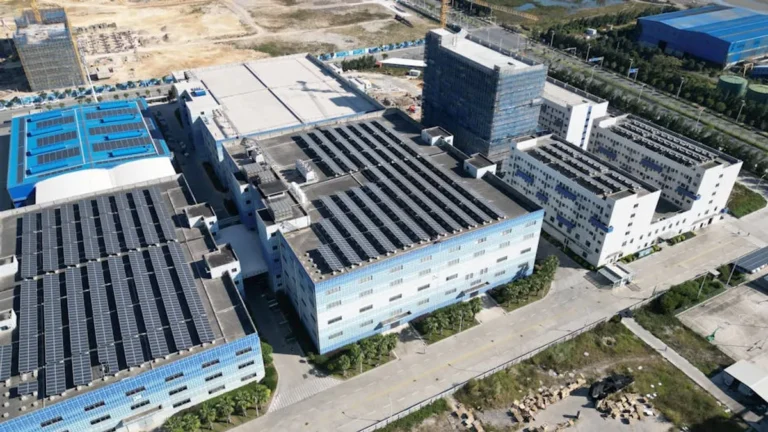
Rooftop solar panels convert sunlight directly into electricity, offsetting conventional power consumption. The size and orientation of the system are critical for maximizing energy production, and battery storage can be integrated for energy resilience.
Solar Thermal Systems
These systems use solar collectors to heat water for domestic use or space heating. They are distinct from PV systems and can significantly reduce the energy required for water heating, a substantial portion of a home's energy load.
Pro Tip: Engage with certified green building professionals early in the design phase. Architects, builders, and energy auditors with expertise in sustainable practices can guide material selection, optimize system integration, and help navigate certification processes like LEED or Passive House, ensuring the project meets specific environmental performance benchmarks.
Practical Steps for Implementation
Embarking on an eco-friendly construction project requires diligent planning and a clear understanding of priorities. Begin by defining your specific goals, whether it's achieving net-zero energy, maximizing water conservation, or prioritizing healthy indoor air. Research local incentives, such as tax credits or rebates for energy-efficient upgrades or renewable energy installations, as these can significantly impact the project's financial viability. Work closely with a design and build team experienced in sustainable construction to ensure that material choices, system installations, and building envelope details are executed correctly. Consider the lifecycle costs of materials and systems, not just the upfront price, to understand the true long-term value. A phased approach can also be effective for renovations, allowing homeowners to implement eco-friendly upgrades over time as budget permits.
Frequently Asked Questions
What is the initial cost difference for eco-friendly construction?
The upfront cost for eco-friendly construction can be 5-15% higher than conventional building due to specialized materials, advanced systems, and design expertise. However, these costs are often recouped through significant long-term savings on utility bills, potential government incentives, and increased property value.
How do eco-friendly homes impact resale value?
Eco-friendly homes typically command higher resale values. Buyers are increasingly valuing lower operating costs, healthier indoor environments, and the reduced environmental footprint associated with green building, making these properties more attractive in the market.
Are there government incentives for green building?
Yes, various federal, state, and local governments offer incentives for green building practices. These can include tax credits for renewable energy installations (like solar panels), rebates for energy-efficient appliances, and expedited permitting processes for certified green homes. Researching local programs is essential.
How long does eco-friendly construction take compared to traditional methods?
The construction timeline for an eco-friendly home is generally comparable to traditional methods. While certain specialized installations or material sourcing might add minor complexities, proper planning and an experienced build team ensure efficiency. Some advanced insulation or structural techniques might even accelerate certain phases.