Selecting the right timber is a foundational decision for any home build aiming for longevity and structural integrity. The choice impacts not only the initial construction cost but also long-term maintenance, resistance to environmental factors, and the overall lifespan of the property. Durability in timber construction hinges on understanding the inherent properties of different wood species, the effectiveness of various treatments, and how these materials perform under specific conditions and applications within a home. Understanding these factors will also help you anticipate the ongoing maintenance needs for your timber home.
Understanding Timber Durability Factors
Timber durability is not a singular characteristic but a combination of several interacting properties. These factors collectively determine how well a wood species will resist decay, insect infestation, and structural degradation over time.
Species Selection: Hardwoods vs. Softwoods
The inherent properties of a timber species are the primary determinant of its natural durability. Generally, hardwoods are denser and offer greater natural resistance, but specific softwoods can be highly durable with appropriate treatment.
- Hardwoods: Species like Jarrah, Spotted Gum, Blackbutt, and some Oaks are known for their high density and natural oils, which provide significant resistance to rot, fungal decay, and termites. Their cellular structure is often less porous, limiting moisture absorption. These are typically chosen for structural elements exposed to the elements, flooring, and decking where wear resistance is critical.
- Softwoods: Common softwoods such as Pine, Fir, and Spruce are generally less dense and more permeable than hardwoods. While naturally less resistant to decay and pests, their open cellular structure makes them highly receptive to preservative treatments. This treatability allows them to achieve high durability ratings suitable for framing, exterior cladding, and other applications when properly processed.
Moisture Content and Seasoning
Controlling moisture content is critical for timber stability and preventing issues like warping, shrinking, or cracking post-installation. Properly seasoned timber minimizes these risks and enhances overall structural performance.
Kiln-dried timber: This process rapidly reduces moisture to a specific, stable level (typically 10-12% for internal use, 15-18% for external) under controlled conditions. Kiln drying ensures uniformity, reduces the likelihood of fungal growth during storage, and prepares the timber for immediate use without significant movement after installation.
Air-dried timber: While more economical, air drying relies on ambient conditions, making moisture content less predictable and drying times longer. It can be suitable for some applications where precise moisture content is less critical, but for structural or appearance-grade timber, kiln drying is generally preferred for its consistency.
Treatment and Preservation Methods
For timber species with lower natural durability, various treatments can significantly extend their lifespan, particularly in environments prone to moisture, insects, or fungal attack.
Pressure Treatment: This involves impregnating timber with chemical preservatives under high pressure, forcing the solution deep into the wood fibers. The specific chemicals used vary, but the goal is to create a barrier against decay fungi and insects. Pressure-treated timber is essential for ground contact, exterior decking, and structural elements exposed to weather. The level of treatment (e.g., H3, H4, H5 ratings) indicates its suitability for different exposure conditions.
Fire Retardant Treatment: For specific architectural or building code requirements, timber can be treated to reduce its flammability. These treatments are often applied to internal structural elements or decorative panels to improve fire safety ratings.
Pro Tip: Always verify the treatment class of timber against its intended application. Using a lower-rated treated timber in a high-exposure environment (e.g., H3 for ground contact) will compromise its durability and the structural integrity of your build over time. Ensure the timber's end-tags or documentation clearly state the treatment level and preservative type.
Selecting Timber by Application
The optimal timber choice often depends on its specific role within the home, considering exposure levels, load-bearing requirements, and aesthetic goals.
Framing and Structural Elements
For load-bearing walls, roof trusses, floor joists, and beams, structural integrity and stability are paramount. Common choices include treated Pine, Spruce, or Fir for their strength-to-weight ratio and cost-effectiveness. For larger spans or specific engineering requirements, engineered wood products like Glued Laminated Timber (Glulam) or Laminated Veneer Lumber (LVL) offer superior strength and consistency, minimizing natural defects found in solid timber.
Best for: Structural stability, load-bearing capacity, treatability for pest/rot resistance.
Exterior Cladding and Decking
Timber used for exterior applications must withstand UV radiation, rain, temperature fluctuations, and insect activity. Naturally durable hardwoods like Spotted Gum, Ironbark, or Jarrah are excellent for decking and cladding due to their inherent resistance. Treated softwoods, such as pressure-treated Pine, also provide a durable and cost-effective option when maintained correctly. Consider timbers with good dimensional stability to minimize warping and cupping in exposed conditions.
Best for: Weather resistance, UV stability, natural or treated pest/rot resistance.
Interior Finishes and Joinery
For internal applications like flooring, architraves, skirting, and cabinetry, dimensional stability, workability, and aesthetic appeal are key. Hardwoods like Oak, Maple, or Ash offer excellent hardness for flooring and a desirable grain for joinery. Softwoods such as Western Red Cedar can be used for internal lining where its aromatic properties and stability are valued. Moisture content control is crucial here to prevent movement after installation, which can lead to gaps or cracks.
Best for: Aesthetic appeal, dimensional stability, workability, wear resistance (for flooring).
Ensuring Long-Term Performance of Timber
Beyond initial selection, the long-term durability of timber in a home build relies on proper handling, installation, and ongoing maintenance.
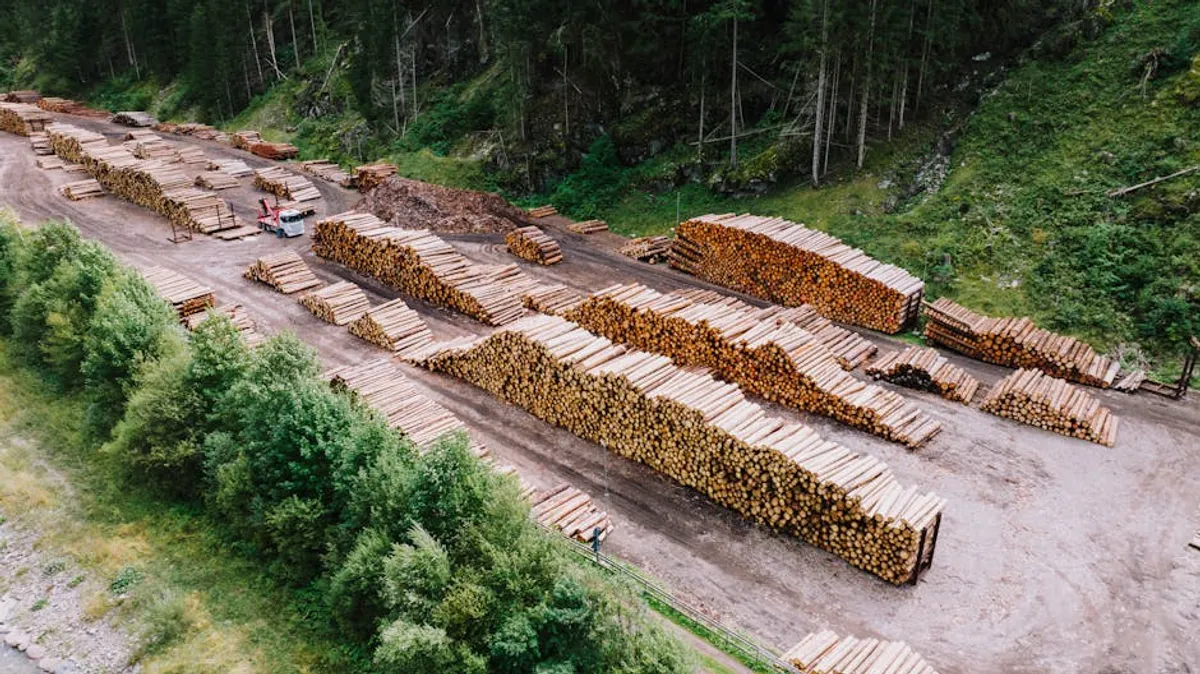
Proper Storage: Timber should be stored off the ground, under cover, and with adequate air circulation to prevent moisture absorption and fungal growth before installation.
Effective Detailing: Architectural details that prevent water ingress and promote drainage away from timber elements (e.g., adequate eaves, flashing, ventilation) are critical for preventing moisture-related decay.
Regular Maintenance: For exterior timber, periodic cleaning, re-sealing, or re-painting protects the surface from weathering and maintains the integrity of the wood and any applied treatments.
By carefully considering species, treatment, and application, builders and homeowners can make informed decisions that contribute significantly to the durability and longevity of a timber-framed home.
Frequently Asked Questions About Timber Selection
What is the primary difference in durability between hardwoods and softwoods?
Hardwoods generally possess higher density and natural resistance to decay and pests due to their cellular structure and natural oils, making them inherently more durable without treatment. Softwoods are typically less dense and more permeable, requiring preservative treatments to achieve comparable durability for exposed applications.
Is treated timber always necessary for a durable home build?
Treated timber is essential for applications where wood is exposed to moisture, ground contact, or is susceptible to insect attack, such as exterior framing, decking, or any timber in contact with concrete. For interior, dry, and protected structural elements, naturally durable or untreated timber can be sufficient, provided it remains dry and well-ventilated.
How does moisture content impact timber's long-term durability?
High or fluctuating moisture content is a leading cause of timber degradation. It promotes fungal growth, makes wood susceptible to insect attack, and causes dimensional changes like warping, shrinking, and cracking. Properly seasoned timber with a stable moisture content is crucial for preventing these issues and ensuring structural stability and longevity.
What do timber grading classifications mean for durability?
Timber grading classifies wood based on its strength, appearance, and structural integrity, identifying defects such as knots, checks, or wane. Structural grades (e.g., MGP10, F7) indicate the timber's load-bearing capacity, ensuring it meets engineering requirements for durability under stress. Appearance grades focus on visual quality, which is less about structural durability but important for finishes.