
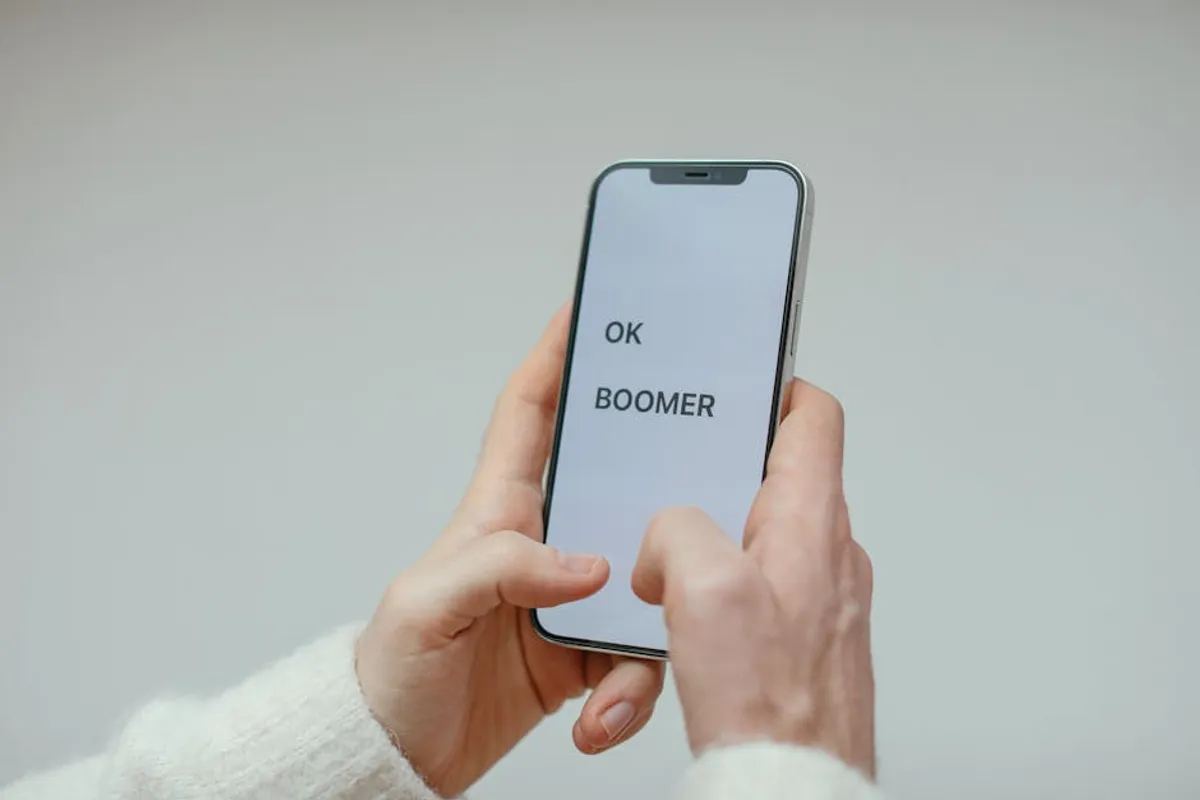
Understanding popular memes transcends casual internet browsing; it is a critical lens for decoding contemporary digital culture and audience communication patterns. For marketers, content creators, and brand strategists, grasping the mechanics of memes—their underlying meaning, stylistic conventions, historical evolution, and visual language—offers a direct pathway to authentic engagement. This is not about simply replicating trending images, but about comprehending the cultural shorthand that drives virality and connection. A strategic approach to memes allows for more resonant content, deeper audience understanding, and a brand voice that feels genuinely current.
Deconstructing Meme Meaning: Beyond the Surface
Memes function as units of cultural information, transmitted and adapted through digital channels. Their meaning is rarely singular or static; instead, it's often layered, drawing on shared cultural knowledge, current events, and the specific context of their application. A meme's core meaning is derived from its ability to convey a complex idea, emotion, or commentary through a concise, often humorous, format. This efficiency in communication is what gives memes their power.
The "Distracted Boyfriend" meme, for instance, communicates a universal scenario of temptation and divided attention. While the specific text overlay dictates the immediate interpretation (e.g., brand loyalty vs. new trend), the visual narrative remains consistent, allowing for broad applicability. Marketers should analyze not just the immediate joke, but the underlying human truth or cultural observation that makes a meme relatable. This deeper understanding informs whether a meme aligns with a brand's message or inadvertently sends a conflicting signal.
Stylistic Conventions and Visual Language of Memes
Meme style is characterized by specific visual and textual elements that contribute to their immediate recognition and impact. These conventions evolve, but certain patterns persist:
- Image Macros: The most common format, featuring an image with overlaid text, typically in a bold, sans-serif font like Impact. The image provides the emotional or situational context, while the text delivers the punchline or commentary.
- Reaction GIFs: Short, looping video clips used to express a specific emotion or reaction without words. Their effectiveness lies in their ability to convey nuanced feelings quickly, serving as a visual shorthand in digital conversations.
- Exploitable Templates: Images or formats designed for easy modification, often with blank spaces for users to insert their own text or images. Examples include "Drake Hotline Bling" or "Change My Mind," where the structure invites user participation and customization.
- Character-Based Memes: Recurring characters or archetypes (e.g., Wojak, Pepe the Frog, various dog breeds) that embody specific emotions, personality traits, or social observations. Their visual consistency allows for immediate recognition, even across varied scenarios.
The choice of font, image quality (often intentionally low-res or pixelated), and composition are not accidental. They contribute to a meme's authenticity and appeal, often signaling an "insider" knowledge that fosters community among those who understand the visual cues. Brands attempting to engage with meme culture must respect these stylistic norms to avoid appearing out of touch or overtly corporate.
A Brief History of Internet Memes
The concept of memes predates the internet, rooted in Richard Dawkins' 1976 book The Selfish Gene, where he described "memes" as units of cultural transmission. Internet memes, however, found their fertile ground in early online communities.
Early Digital Transmissions
The 1990s saw the emergence of text-based memes and chain emails. Phrases like "All Your Base Are Belong To Us" (from a poorly translated video game) demonstrated early viral spread. The early 2000s, with platforms like Something Awful and 4chan, became incubators for visual memes, often characterized by crude humor and rapid evolution. LOLcats, featuring humorous captions over cat images, were a foundational example, popularizing the image macro format.
Mainstream Adoption and Social Media
The mid-2000s onwards, with the rise of YouTube, Reddit, and eventually Facebook, Twitter, and Instagram, propelled memes into mainstream consciousness. Video memes like "Rickrolling" demonstrated the power of unexpected, viral content. Social media platforms provided the infrastructure for memes to spread rapidly across diverse demographics, evolving from niche internet humor to a ubiquitous form of communication.
Visual Guide: Interpreting and Applying Popular Memes
Effective meme usage requires a keen eye for visual context and an understanding of how images and text interact to create specific meaning. Here are examples illustrating common visual structures and their implications:
The Juxtaposition Meme: "Woman Yelling at a Cat"
Visual Elements: This meme features two distinct images: a distressed woman pointing and yelling, contrasted with a calm, unimpressed white cat seated at a dining table.
Interpretation: The power of this meme lies in the stark visual contrast of extreme emotion (anger, frustration) against complete indifference or misunderstanding. It's used to represent situations where one party is intensely passionate or upset about something, while the other remains completely unfazed, often due to a lack of comprehension or care.
Application: Useful for illustrating common frustrations, miscommunications, or generational divides in a humorous, relatable way.
The Absurdist/Internal Monologue Meme: "Doge"
Visual Elements: A Shiba Inu dog with a quizzical expression, often surrounded by multi-colored text in Comic Sans font.
Interpretation: "Doge" memes express an internal monologue, often using broken English and interjections like "wow," "much," "so," "very." The absurdity comes from attributing complex, often philosophical or observational thoughts to a dog, contrasting with its simple, innocent visual.
Application: Effective for conveying a sense of wonder, confusion, or ironic commentary on everyday situations. The specific font and grammar are integral to its identity.
The Comparative Meme: "Swole Doge vs. Cheems"
Visual Elements: Two images of Shiba Inus: one muscular and imposing ("Swole Doge"), the other small, frail, and often depicted with a speech impediment ("Cheems").
Interpretation: This meme visually represents a comparison, typically between a past, often superior or idealized state, and a present, often diminished or disappointing one. "Swole Doge" embodies strength, nostalgia, or an original concept, while "Cheems" represents a weaker, current, or corrupted version.
Application: Excellent for illustrating evolution, decline, or contrasting past and present experiences in a humorous, self-deprecating manner.
Pro Tip: Before deploying a meme in commercial content, perform a quick reverse image search or check meme databases like Know Your Meme. This ensures you understand its full context, potential alternative meanings, and any controversial associations. Misusing a meme's context can lead to brand embarrassment and alienate your target audience, eroding trust rather than building it.
Strategic Meme Integration for Audience Connection
Leveraging popular memes in marketing requires more than just identifying a trend; it demands strategic thought to ensure authenticity and resonance. Brands should consider these pillars for effective integration:
Authenticity and Voice: Memes thrive on genuine expression. Forced or overly corporate meme usage is easily detected and can backfire, making a brand appear inauthentic. The meme should feel like a natural extension of your brand's existing voice, not a desperate attempt to be "hip."
Audience Relevance: Not all memes resonate with all demographics. A meme popular with Gen Z might fall flat with Baby Boomers, and vice-versa. Understand your specific audience's digital fluency and cultural touchstones. Tailor meme selection to match their humor and shared experiences.
Timeliness and Ephemerality: Memes have a short shelf life. What's trending today can be obsolete or cringeworthy tomorrow. Rapid response is key to capitalizing on current trends, but equally important is knowing when a meme has passed its prime. Evergreen meme formats exist, but most popular memes are fleeting.
Risk Assessment and Brand Safety: Some memes originate from controversial sources or develop problematic associations over time. Thorough research is crucial to avoid inadvertently aligning your brand with undesirable content or communities. Always consider the potential for misinterpretation or negative sentiment.
Content Strategy Integration: Memes are best used as part of a broader content strategy, not as a standalone solution. They can enhance social media posts, email campaigns, or even internal communications, but should support overarching marketing objectives, such as increasing engagement, driving traffic, or building brand personality.
Frequently Asked Questions
What makes a meme "popular"?
A meme becomes popular when it achieves widespread recognition and adoption, typically due to its relatability, humor, simplicity, and adaptability. Its ability to convey a complex idea or emotion concisely, often tapping into a shared cultural experience or inside joke, drives its virality across diverse digital communities.
How quickly do meme trends change?
Meme trends can change extremely rapidly, often within days or weeks. The lifecycle of a popular meme typically involves a rapid ascent, a peak period of widespread use, and then a gradual decline as new trends emerge. Some formats persist longer due to their versatility, but specific iterations are often very short-lived.
Can brands create their own memes?
While brands can certainly create meme-like content, successfully originating a truly viral meme is challenging. The most effective brand meme usage often involves adapting existing popular templates with brand-relevant content, rather than attempting to invent a new format from scratch. Authenticity and audience reception are paramount.
What are the primary risks of using memes in marketing?
The primary risks include misinterpreting a meme's original context, using outdated memes, alienating a segment of your audience, or inadvertently associating your brand with controversial or offensive content. A lack of genuine understanding can make a brand appear out of touch or desperate, potentially harming its reputation.