Selecting building materials for modern homes now extends beyond aesthetics and immediate cost. The long-term performance, environmental impact, and occupant health considerations drive a shift toward sustainable options. This decision involves evaluating materials based on their lifecycle: from resource extraction and manufacturing energy to transportation, installation, durability, and end-of-life disposal or recycling. For homeowners and developers, understanding these factors translates into decisions that can reduce operational costs, enhance indoor air quality, and potentially increase property value through certifications like LEED or Passive House standards.
Structural Integrity with Reduced Environmental Load
The core framework of a home represents a significant portion of its embodied carbon. Modern sustainable approaches focus on materials that offer structural strength while minimizing their carbon footprint and reliance on virgin resources.
Engineered Wood Products
Cross-Laminated Timber (CLT) and Glued Laminated Timber (Glulam) are examples of engineered wood products that offer high strength-to-weight ratios and are increasingly used in multi-story construction. These products sequester carbon within the building structure, contrasting with the emissions associated with concrete and steel production. Their manufacturing process often utilizes smaller, faster-growing trees or wood waste, optimizing resource use.
Benefits: Carbon sequestration, renewable resource, faster construction times due reduced on-site labor.
Recycled Steel
While virgin steel production is energy-intensive, recycled steel significantly reduces this impact. Modern steel frames and components can incorporate a high percentage of recycled content, closing the loop on material use. Steel's durability and recyclability at the end of a building's life further contribute to its sustainable profile.
Benefits: High recycled content, extreme durability, 100% recyclable, resistance to pests and fire.
Advanced Enclosure and Insulation Systems
The building envelope—walls, roof, and foundation—is critical for energy efficiency. Sustainable materials in these areas reduce heating and cooling demands, directly lowering operational energy consumption and utility costs.
Hempcrete
A bio-composite material made from hemp hurds (the woody core of the hemp stalk), lime, and water. Hempcrete blocks offer excellent thermal insulation, breathability, and moisture regulation. It is carbon-negative due to the CO2 absorbed by the hemp plant during growth and the carbonation of the lime binder.
Best for: Wall infill, insulation, and thermal mass. Provides natural pest resistance and mold inhibition.
Cellulose Insulation
Manufactured from recycled paper products, primarily newspaper, cellulose insulation is treated with borate to enhance fire and pest resistance. It offers comparable R-values to traditional fiberglass but with a much lower embodied energy due to its recycled content and less intensive manufacturing process.
Best for: Attic, wall, and floor insulation in both new construction and retrofits. Improves acoustic performance.
Structural Insulated Panels (SIPs)
SIPs are composite building panels consisting of an insulating foam core (often expanded polystyrene or polyisocyanurate) sandwiched between two structural facings, typically oriented strand board (OSB). They offer superior insulation and airtightness compared to traditional stick-built construction, leading to significant energy savings.
Benefits: High thermal performance, reduced air leakage, faster construction, less job site waste.
Pro Tip: When evaluating sustainable materials, always request Environmental Product Declarations (EPDs) or Health Product Declarations (HPDs). These documents provide transparent, third-party verified data on a product's environmental impact and chemical ingredients, allowing for informed comparisons beyond marketing claims.
Interior Finishes and Healthy Environments
The materials used inside a home directly impact indoor air quality and occupant well-being. Sustainable interior finishes prioritize low-VOC (Volatile Organic Compound) content, natural materials, and durability.
Low-VOC Paints and Finishes
Traditional paints and finishes can off-gas harmful VOCs for years after application, contributing to respiratory issues and other health concerns. Low-VOC or zero-VOC alternatives use water-based formulas or natural ingredients, significantly improving indoor air quality.
Best for: All interior surfaces where occupant health and air quality are primary concerns.
Reclaimed and Certified Wood Flooring
Using reclaimed wood for flooring diverts material from landfills and avoids the environmental impact of harvesting new timber. For new wood products, look for certifications like the Forest Stewardship Council (FSC), which ensures wood comes from responsibly managed forests.
Benefits: Unique aesthetic, reduced demand for virgin resources, supports sustainable forestry practices.
Natural Stone and Recycled Glass Countertops
Natural stone (like granite or marble) is durable and long-lasting, minimizing replacement cycles. Recycled glass countertops offer a unique aesthetic and divert waste from landfills. Both options provide robust, low-maintenance surfaces.
Best for: Kitchens and bathrooms, offering durability and a high-end finish with environmental benefits.
Water Management and Renewable Integration
Beyond the physical structure, modern sustainable homes integrate systems that manage resources efficiently.
Rainwater Harvesting Systems
Collecting and storing rainwater for non-potable uses like irrigation, toilet flushing, and laundry significantly reduces reliance on municipal water supplies. These systems typically involve roof collection, filtration, and storage tanks.
Benefits: Reduced water bills, decreased strain on local water infrastructure, drought resilience.
Solar Photovoltaic (PV) Panels
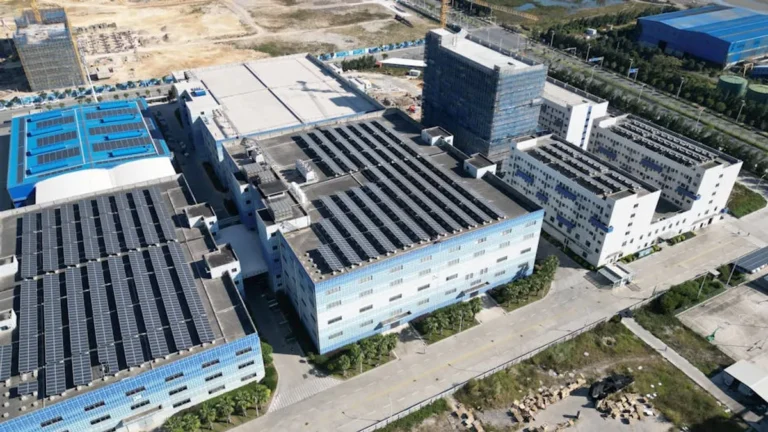
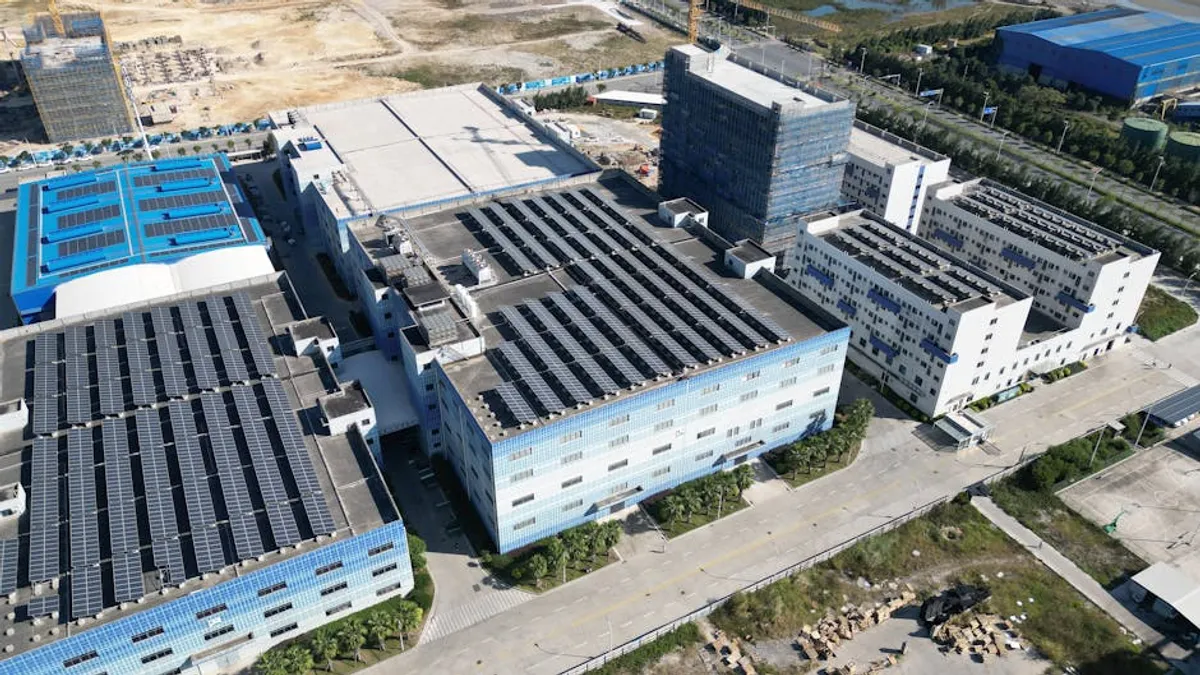
Integrating solar panels into a home's design allows for on-site electricity generation, offsetting grid consumption and reducing carbon emissions. Advances in panel efficiency and battery storage make solar a more viable option for achieving net-zero or even energy-positive homes.
Best for: Reducing or eliminating electricity bills, decreasing carbon footprint, increasing energy independence.
Holistic Material Selection for Long-Term Value
The selection of sustainable building materials is not merely an ethical choice but a strategic investment. These materials contribute to a healthier indoor environment, lower operational costs through enhanced energy and water efficiency, and often result in a more durable, resilient structure. Prioritizing materials with low embodied energy, high recycled content, and certifications for responsible sourcing creates homes that perform better over their entire lifespan, offering tangible benefits to both occupants and the broader environment.
Frequently Asked Questions
Are sustainable building materials more expensive?
Initial material costs can sometimes be higher for sustainable options, but this is often offset by reduced labor due to prefabrication, faster construction times, and significant long-term savings on energy and water bills. The total cost of ownership over the building's lifespan is frequently lower.
How do sustainable materials impact indoor air quality?
Many sustainable materials, such as low-VOC paints, natural insulation, and solid wood products, are designed to minimize off-gassing of harmful chemicals. This directly improves indoor air quality, reducing potential health issues for occupants, such as respiratory problems or allergies.
Where can I find reliable suppliers for these materials?
Reliable suppliers often specialize in green building products and can be found through industry associations, green building certification program websites (like LEED or Passive House), and architectural material libraries that focus on sustainable options. Always verify product certifications and specifications.
Do sustainable homes require special maintenance?
Generally, sustainable homes are designed for durability and low maintenance. However, specific materials may have unique care requirements, similar to conventional materials. For example, natural wood finishes may need periodic resealing, and rainwater harvesting systems require filter checks.