Wooden homes, celebrated for their natural aesthetic and sustainable appeal, present unique considerations regarding indoor air quality and structural preservation. Unlike structures primarily composed of inert materials, wood is hygroscopic, meaning it naturally absorbs and releases moisture from its environment. This inherent characteristic makes proper ventilation not merely a comfort feature but a fundamental requirement for maintaining the long-term health, integrity, and energy efficiency of the home.
The decision to invest in robust ventilation systems for a wooden home is a direct investment in its durability and the well-being of its occupants. Without controlled airflow, moisture can accumulate within wall cavities, attics, and crawl spaces, creating conditions ripe for mold growth, wood decay, and pest infestations. These issues not only compromise the structural soundness of the building but also introduce allergens and pollutants into the living environment, impacting occupant health and comfort. Understanding the specific demands of timber construction and implementing appropriate ventilation strategies is critical for any homeowner or builder aiming for a healthy, resilient wooden home.
Why Wooden Homes Demand Specific Ventilation Strategies
Wood's organic nature dictates a different approach to environmental control compared to steel or concrete structures. Its cellular composition allows it to interact dynamically with humidity levels. When relative humidity is high, wood absorbs moisture, swelling and becoming susceptible to fungal decay. When humidity is low, it releases moisture, which can lead to shrinking, cracking, and structural stress. Effective ventilation manages these moisture fluctuations, preventing extremes that accelerate degradation.
Beyond moisture management, wooden homes often feature natural insulation properties. However, without adequate air exchange, indoor air can become stagnant, accumulating volatile organic compounds (VOCs) from building materials, furnishings, and daily activities. This necessitates a ventilation strategy that not only addresses structural preservation but also ensures a continuous supply of fresh, filtered air for healthy living.
Key Ventilation Types for Timber Structures
A comprehensive ventilation strategy for a wooden home typically integrates several complementary systems, each targeting specific areas and moisture sources.
Crawl Space and Foundation Ventilation
Unvented or poorly vented crawl spaces are significant sources of moisture intrusion into the main living areas. Ground moisture, especially in humid climates, can easily condense on cooler wooden joists and subflooring, promoting rot and attracting pests. Proper crawl space ventilation aims to equalize humidity levels with the exterior, or, in encapsulated systems, to actively dehumidify the space.
- Passive Foundation Vents: Historically common, these rely on natural air movement through openings in the foundation walls. Effectiveness varies greatly with wind patterns and temperature differentials.
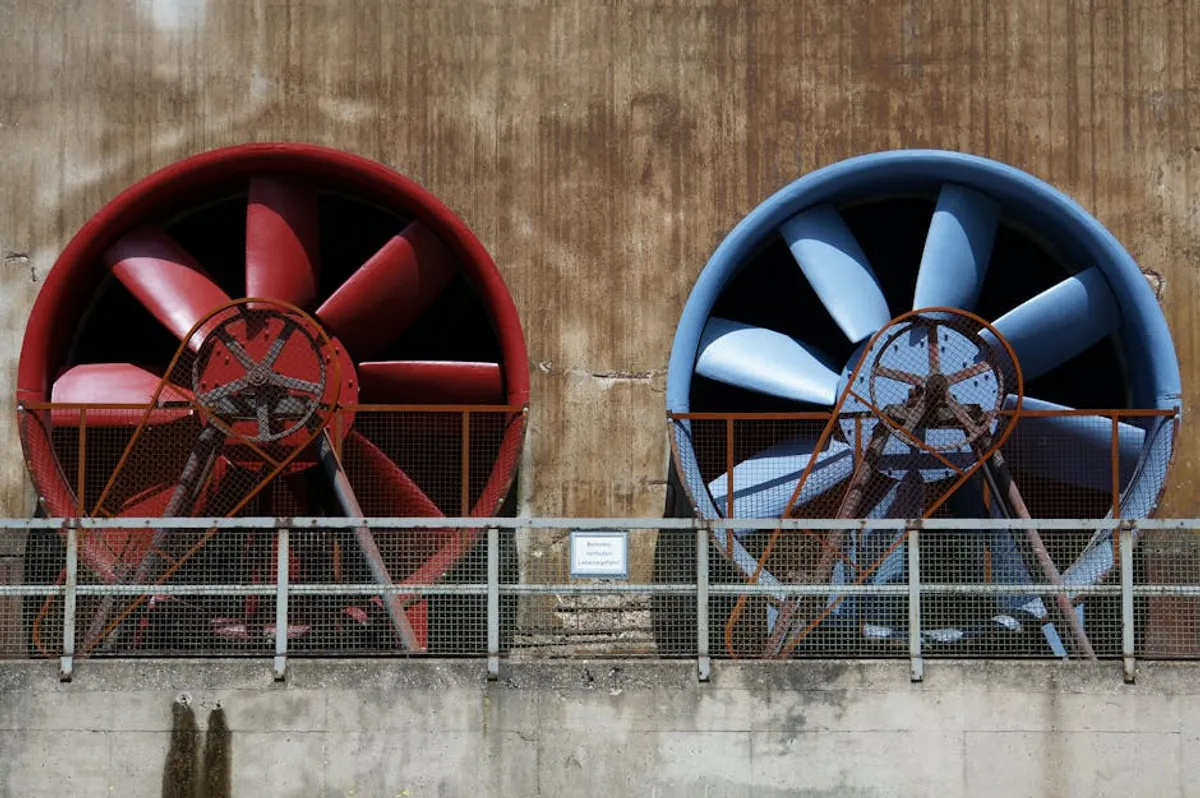
- Active Crawl Space Fans: Mechanically powered fans improve airflow, exhausting humid air and drawing in drier outside air. Often controlled by humidistats to operate only when necessary.
- Encapsulation Systems: Involve sealing the crawl space from the ground and exterior, then conditioning the air within, often with a dedicated dehumidifier. This creates a conditioned buffer zone, protecting the wood structure more comprehensively.
Attic and Roof Ventilation
Attics are critical zones for temperature and moisture management. In summer, proper attic ventilation expels superheated air, reducing cooling loads and preventing heat transfer to living spaces. In winter, it prevents warm, moist air from living spaces from condensing on cold roof sheathing, which can lead to rot, ice damming, and compromised insulation effectiveness. A balanced system includes both intake and exhaust vents.
Best for: Preventing heat buildup, moisture condensation, and ice dam formation.
Whole-House Mechanical Ventilation Systems
Modern, airtight wooden homes benefit significantly from controlled mechanical ventilation to ensure consistent indoor air quality. These systems manage the exchange of indoor and outdoor air, often with energy recovery capabilities.
- Exhaust-Only Systems: Fans simply pull air out of the house, relying on infiltration to bring in fresh air. Simple but less controlled.
- Supply-Only Systems: Fans push fresh air into the house, creating positive pressure and forcing stale air out through leaks. Can introduce unconditioned air.
- Balanced Ventilation Systems (HRV/ERV): Heat Recovery Ventilators (HRVs) and Energy Recovery Ventilators (ERVs) are ideal for wooden homes. They exchange indoor and outdoor air while transferring heat (HRV) or both heat and moisture (ERV). This minimizes energy loss while ensuring continuous fresh air supply. ERVs are particularly beneficial in humid climates as they help manage incoming moisture.
Pro Tip: When designing or retrofitting ventilation for a wooden home, consider the stack effect. Warm air rises and escapes through upper vents, drawing cooler air in through lower vents. Integrating this natural phenomenon with mechanical systems can optimize energy efficiency and airflow, ensuring comprehensive moisture and pollutant removal throughout the structure.
Consequences of Inadequate Airflow in Wood Homes
Neglecting ventilation in a wooden home can lead to a cascade of costly and unhealthy issues.
The Threat of Moisture and Mold
Persistent moisture is the primary catalyst for mold and mildew growth. These fungi not only produce allergens and irritants that impact respiratory health but also feed directly on wood fibers, leading to softening, discoloration, and eventual structural failure. Visible mold is often an indicator of much larger, hidden moisture problems within wall cavities or subflooring.
Pest Infestation Risks
Damp, decaying wood is highly attractive to wood-destroying insects like termites and carpenter ants. High humidity also creates favorable conditions for rodents and other pests seeking shelter. Adequate ventilation removes these attractive conditions, acting as a preventative measure against costly infestations.
Structural Degradation and Energy Efficiency
Repeated wetting and drying cycles cause wood to expand and contract, leading to warping, cracking, and compromised fasteners. This can weaken structural components over time. Furthermore, damp insulation loses its R-value, leading to increased heating and cooling costs as the home becomes less energy efficient. The cumulative effect is a diminished lifespan for the building and higher operational expenses.
Optimizing Ventilation for Longevity and Health
Effective ventilation is an ongoing process that requires thoughtful design and consistent maintenance.
Regular Inspections and Maintenance
Periodically inspect all vents—soffit, ridge, gable, and foundation—to ensure they are clear of obstructions like leaves, debris, or pest nests. Check mechanical ventilation systems for proper operation, clean or replace filters as recommended by the manufacturer, and ensure ductwork is sealed and free of leaks. For encapsulated crawl spaces, monitor dehumidifier function and drainage.
Smart Ventilation Controls
Integrating smart controls, such as humidistats, timers, and CO2 sensors, allows ventilation systems to operate only when needed, optimizing energy use and maintaining ideal indoor conditions. These systems can automatically respond to changes in indoor air quality or humidity levels, providing targeted and efficient air exchange.
Ensuring a Durable and Healthy Wooden Home
The long-term value and livability of a wooden home are intrinsically linked to its ventilation strategy. Proactive measures in design, installation, and ongoing maintenance of ventilation systems are not merely optional upgrades but essential components of responsible homeownership. By effectively managing moisture, mitigating pollutant buildup, and preserving structural integrity, a well-ventilated wooden home offers a healthier indoor environment and a significantly extended lifespan, safeguarding the investment for generations.
Frequently Asked Questions
What is the ideal indoor humidity level for a wooden home?
Maintaining indoor relative humidity between 30% and 50% is generally recommended for wooden homes. This range minimizes moisture absorption and release by wood, preventing swelling, shrinking, and the conditions conducive to mold growth or pest activity.
Can simply opening windows provide enough ventilation for a wooden home?
While opening windows provides some air exchange, it is often insufficient for comprehensive moisture and pollutant control, especially in humid climates or during extreme weather. Mechanical ventilation systems offer controlled, continuous, and often filtered air exchange, which is more reliable for maintaining consistent indoor air quality and structural health.
How often should ventilation filters be changed in an HRV or ERV system?
Filter replacement frequency depends on the specific system, air quality, and usage, but a general guideline is every 3 to 6 months. Regular inspection of filters is crucial; if they appear dirty or airflow is noticeably reduced, they should be changed promptly to maintain system efficiency and air quality.
Is it possible to over-ventilate a wooden home?
Yes, excessive ventilation, particularly with unconditioned outdoor air, can lead to problems. In cold climates, it can increase heating costs; in hot, humid climates, it can introduce too much moisture, burdening HVAC systems. Balanced mechanical ventilation systems with energy recovery are designed to provide optimal air exchange without over-ventilating or compromising energy efficiency.