
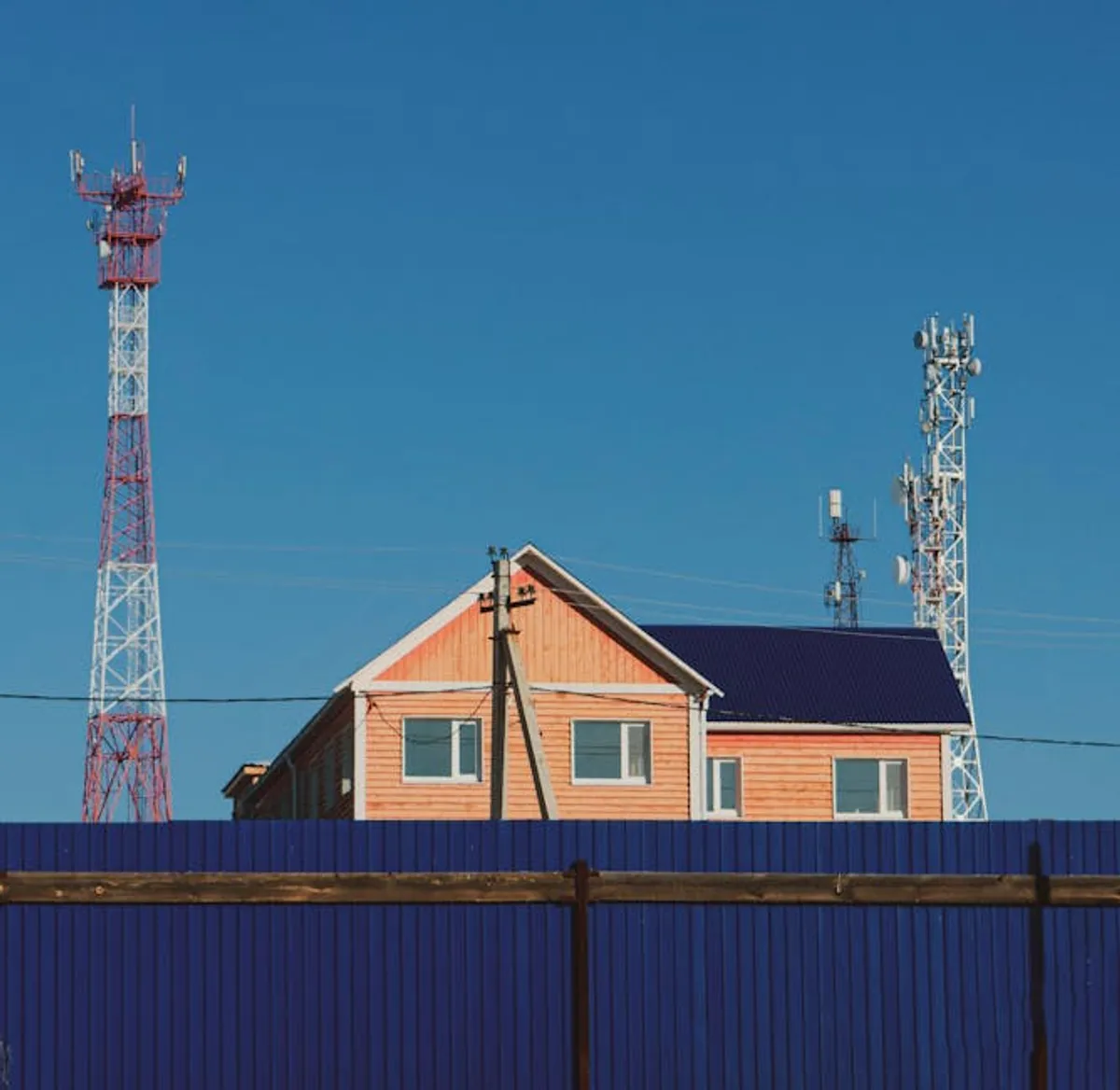
A wooden house represents a significant investment, both financially and aesthetically. Its inherent natural beauty and unique character are undeniable, yet these qualities are intrinsically linked to consistent, informed maintenance. Neglecting routine care for a wooden home leads directly to accelerated degradation, costly structural repairs, diminished curb appeal, and ultimately, a significant reduction in long-term property value. Understanding the specific vulnerabilities of wood – from moisture absorption and UV damage to pest infestation – is the first step in formulating a proactive maintenance strategy that safeguards your asset and ensures its enduring market desirability.
Exterior Protection: Shielding Against Elements
The exterior of a wooden house bears the brunt of environmental exposure. Sun, rain, snow, and wind constantly attack the wood fibers, leading to discoloration, cracking, warping, and rot if left unprotected. Effective exterior protection involves a multi-layered approach, focusing on creating a barrier that repels moisture and UV radiation while allowing the wood to breathe.
Understanding Stains and Sealants
Stains and sealants are primary defenses for wooden exteriors. They penetrate the wood, offering protection from within and on the surface. Different types serve distinct purposes:
- Transparent and Semi-Transparent Stains: These allow the natural grain of the wood to show through, offering UV protection and water repellency. They require reapplication more frequently, typically every 2-5 years, depending on exposure and product quality. Their primary value lies in maintaining the wood's natural aesthetic while providing essential, albeit lighter, protection.
- Solid Stains: These provide a more opaque finish, obscuring the wood grain but offering superior UV resistance and durability compared to transparent options. They often last 5-10 years. Solid stains are valuable for older homes where wood might show more wear, or for a uniform color application.
- Clear Sealants: While offering water repellency, clear sealants provide minimal UV protection. Their use is generally limited to specific applications or as a topcoat over a stained surface. Relying solely on a clear sealant for exterior wood is a common mistake that leads to premature graying and degradation.
Best for: Preserving wood's natural appearance and preventing moisture absorption.
When selecting a product, prioritize those with high-quality resins and UV inhibitors. Proper application involves thorough cleaning and drying of the wood surface, followed by applying multiple thin coats rather than one thick one, ensuring even penetration and adhesion.
The Role of Quality Paint
For wooden houses painted rather than stained, the quality of the paint and the preparation process are paramount. Paint forms a protective film over the wood, shielding it from moisture and UV. High-quality exterior paints, particularly those designed for wood, contain flexible binders that move with the wood as it expands and contracts, preventing cracking and peeling.
Key steps for value preservation:
- Surface Preparation: This is critical. Scraping loose paint, sanding rough areas, and priming bare wood ensures proper adhesion and a long-lasting finish. Skipping this step guarantees premature failure of the paint job.
- Elastomeric Properties: Modern elastomeric paints offer superior flexibility and weather resistance, bridging small cracks and preventing water penetration. Investing in these products extends the repainting cycle, typically to 7-10 years, reducing long-term maintenance costs.
- Color Selection: Lighter colors reflect more sunlight, reducing heat absorption and minimizing wood expansion/contraction, which can prolong paint life.
A well-maintained painted exterior not only protects the structural integrity but also significantly enhances curb appeal, directly impacting property valuation.
Managing Moisture: A Critical Defense
Moisture is the primary enemy of wooden structures. Uncontrolled water leads to rot, mold, mildew, and attracts pests. Effective moisture management is a foundational aspect of preserving a wooden home's value.
Gutter Systems and Drainage
Properly functioning gutters and downspouts are essential. They divert rainwater away from the house's foundation, walls, and landscaping. Clogged gutters cause water to overflow, saturating siding, soffits, and fascia, leading to rot and potential basement flooding.
Actionable steps:
- Clean gutters at least twice a year, more often if surrounded by trees.
- Ensure downspouts extend at least 5-10 feet away from the foundation or connect to a proper drainage system.
- Inspect for leaks, sagging sections, or detached components annually.
Beyond gutters, ensure the ground around the house slopes away from the foundation by at least 6 inches over the first 10 feet. This prevents water from pooling against the wood and foundation.
Ventilation for Structural Health
Adequate ventilation in attics, crawl spaces, and within wall cavities prevents moisture buildup, which can lead to condensation, mold, and wood rot. Proper airflow helps dissipate humidity and regulates temperature.
Pro Tip:
Regularly inspect your crawl space and attic for signs of moisture, such as musty odors, water stains, or visible mold. Ensure vents are clear and unobstructed. Inadequate ventilation can silently undermine structural elements, leading to expensive repairs that could have been avoided with proactive checks.
Consider installing vapor barriers in crawl spaces and ensuring attic vents are not blocked by insulation. These measures directly contribute to the longevity of structural wood components.
Proactive Pest Management
Wood-destroying insects, particularly termites, carpenter ants, and powderpost beetles, can inflict severe and costly damage to a wooden home. Early detection and prevention are key to avoiding significant structural compromise.
Essential practices:
- Regular Inspections: Annually inspect all accessible wood elements for signs of infestation: mud tubes (termites), frass (sawdust-like droppings from carpenter ants/powderpost beetles), small exit holes, or hollow-sounding wood.
- Moisture Control: Many wood-destroying pests are attracted to damp or rotting wood. Addressing moisture issues (leaks, poor drainage) is a critical preventative measure.
- Wood-to-Ground Contact: Eliminate any direct contact between structural wood and the soil. Maintain a clear space of at least 6-12 inches between the ground and wood siding or trim.
- Firewood Storage: Store firewood away from the house and elevated off the ground to prevent pests from migrating indoors.
If an infestation is suspected, professional pest control intervention is often necessary to effectively eradicate the problem and prevent further damage, preserving the home's structural integrity and market value.
Routine Inspections and Cleaning
Consistent, thorough inspections are the bedrock of long-term value preservation. Many issues start small and are easily remedied if caught early. Waiting for obvious signs of damage often means more extensive and costly repairs.
Annual inspection checklist:
- Check all exterior wood surfaces for peeling paint, cracking stain, or signs of rot.
- Examine window and door frames for gaps, deteriorating caulk, or moisture intrusion.
- Inspect decks, railings, and porches for loose fasteners, splintering wood, or signs of decay.
- Look for any vegetation growing too close to the house, which can trap moisture against the siding.
- Confirm proper functioning of all exterior lighting and electrical outlets.
Regular cleaning of exterior surfaces is also important. Gentle washing with a soft brush and mild detergent (or a low-pressure washer, used carefully) removes dirt, mildew, and algae that can degrade finishes and hold moisture against the wood. Avoid high-pressure washing, which can damage wood fibers and force water behind siding.
Sustaining Your Investment: A Proactive Approach
Maintaining a wooden house is an ongoing commitment, but one that directly translates into sustained property value and reduced long-term costs. By implementing a consistent schedule of exterior protection, moisture management, pest control, and routine inspections, homeowners can prevent minor issues from escalating into major structural problems. This proactive stance not only preserves the aesthetic appeal and structural integrity of the home but also ensures its marketability and desirability for years to come, making it a sound, enduring investment.
Frequently Asked Questions
How often should a wooden house be stained or painted?
Stains typically require reapplication every 2-5 years for transparent options and 5-10 years for solid stains. Paint usually lasts 7-10 years, depending on climate, paint quality, and surface preparation. Regular inspection for fading, peeling, or cracking will indicate when recoating is necessary.
What are the first signs of pest infestation in wooden structures?
Look for mud tubes on the foundation (termites), small piles of sawdust-like material called frass (carpenter ants, powderpost beetles), tiny exit holes in the wood, or hollow sounds when tapping on wooden beams. A musty odor in crawl spaces can also indicate wood decay or pest activity.
Can I use a pressure washer on my wooden house?
While pressure washers can clean surfaces, extreme caution is advised. High pressure can damage wood fibers, force water into wall cavities, and strip away finishes. It is generally recommended to use a low-pressure setting, a wide fan tip, and stand at a safe distance, or opt for soft washing with a mild cleaning solution.
What is the most critical maintenance task for preserving a wooden house's long-term value?
Effective moisture management is arguably the most critical. Preventing water intrusion and ensuring proper drainage and ventilation directly combats rot, mold, and many pest infestations, which are the leading causes of structural damage and value depreciation in wooden homes.